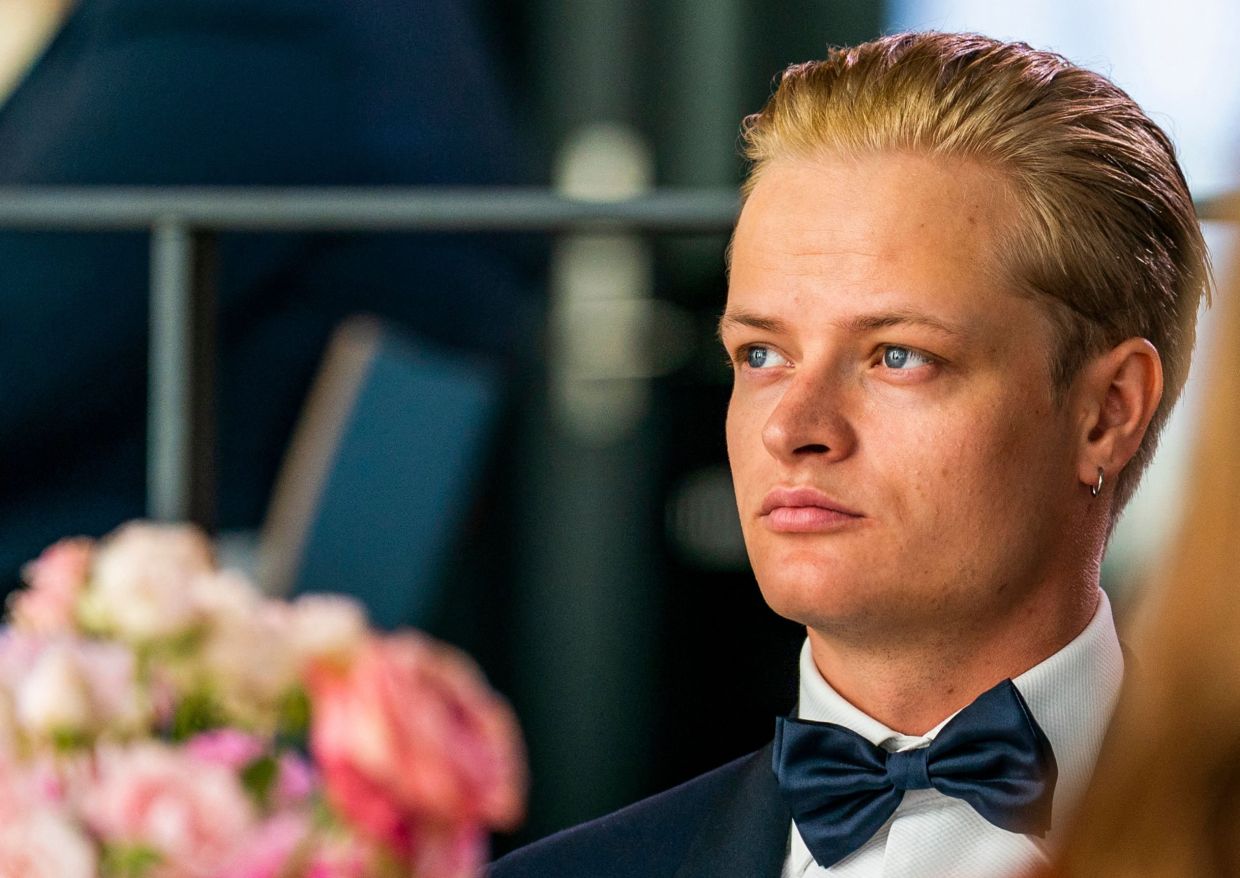
Marius Borg Høiby, 29, the eldest son of Norway's Crown Princess Mette-Marit, received a four-year prison sentence on Monday following his conviction in a high-profile sexual assault case that has captivated international media attention. An Oslo District Court found him guilty of two rape charges out of the four he faced, while acquitting him on the remaining two counts. Beyond the rape convictions, the court also found him guilty of assault and abuse within intimate relationships, and ordered him to provide financial compensation to his victims.
The charges stemmed from allegations that Høiby had sexually assaulted four women between 2018 and 2024 when they were either asleep or unable to resist. His legal troubles extended considerably beyond the rape allegations, with prosecutors bringing a total of 40 criminal charges encompassing assault, drug-related offences, and violations of a restraining order. This broader catalogue of charges reflected the complexity of the case and the range of criminal conduct prosecutors alleged across the six-year period under investigation.
The sentencing represented a middle ground between the positions staked out by both sides during the lengthy trial. Prosecutors had pursued an aggressive charging strategy, requesting that the court impose seven years and seven months imprisonment, reflecting the gravity of the allegations. In contrast, Høiby's defence team had mounted a more protective strategy, arguing for his acquittal on the rape charges entirely and suggesting that if convicted of the lesser offences he had admitted to, the sentence should not exceed 18 months. The court's four-year judgment fell substantially closer to the prosecution's recommendation than to the defence's position.
Høiby's admissions regarding some criminal conduct appeared calculated to demonstrate a degree of cooperation with authorities while maintaining his innocence on the most serious allegations. He had admitted to several of the lesser offences but consistently denied the rape allegations throughout the proceedings. This selective admission strategy failed to sway the court sufficiently to achieve the lenient outcome his legal team had hoped for, though it did prevent the maximum sentence prosecutors had sought.
The trial itself had consumed six weeks of court time, during which multiple accusers testified against him and presented detailed evidence including digital communications, photographs, and video recordings extracted from his mobile telephone. This evidence base, comprising contemporary digital records and witness testimony, evidently persuaded the court that the prosecution had met its burden of proof on at least two of the rape charges. The verdict is not yet final, as Høiby retains the right to appeal the conviction and sentence.
Øiby was notably absent from Monday's proceedings due to health concerns and instead observed the verdict reading through a video connection from his place of detention. This arrangement underscored the unusual nature of the case—a member of the royal household being tried and convicted while watching from behind bars. The absence itself, whether medically justified or strategically motivated, symbolised the distance that had grown between the royal family and the accused, despite his childhood spent within the household of the heir to the Norwegian throne.
The case derives its intense international significance not from the crimes themselves, but from Høiby's unusual position within Scandinavian society. Although he holds no royal title and performs no official royal duties, he is the biological son of Crown Princess Mette-Marit from a relationship predating her marriage to Crown Prince Haakon, who stands as the direct heir to Norway's throne. Critically, he was raised within the royal household alongside the future king, meaning his formative years unfolded within the privileged environment of the royal family, even if his status technically remained unofficial.
Meanwhile, the case has unfolded against a backdrop of deteriorating health for the crown princess herself. Mette-Marit, who suffers from pulmonary fibrosis and is currently awaiting a lung transplant procedure, has been the subject of ongoing legal arguments regarding whether her son should receive temporary release from custody pending the verdict. These arguments sparked appeals court proceedings, with judges ultimately ruling that Høiby should remain detained through the adjudication process. The crown princess's medical condition has intensified public interest in the case, raising questions about family dynamics and the strains that the trial has imposed on the royal household during a period of personal health crisis.
Adding further complexity to the unfolding drama, the trial has coincided with renewed public scrutiny of the crown princess following revelations regarding her past interactions with Jeffrey Epstein, the deceased American financier and convicted sex offender. These disclosures prompted Mette-Marit to issue a public apology, acknowledging that she had exercised poor judgment in maintaining contact with Epstein and that she regretted the association. Authorities have not suggested any criminal culpability on her part, and the royal family has moved to distance itself from the controversy. Nevertheless, the Epstein connection served to intensify international media focus on the Norwegian royal household during the very period when the Høiby trial was commanding headlines, creating an unusual convergence of family difficulties for one of Europe's most prominent monarchies.