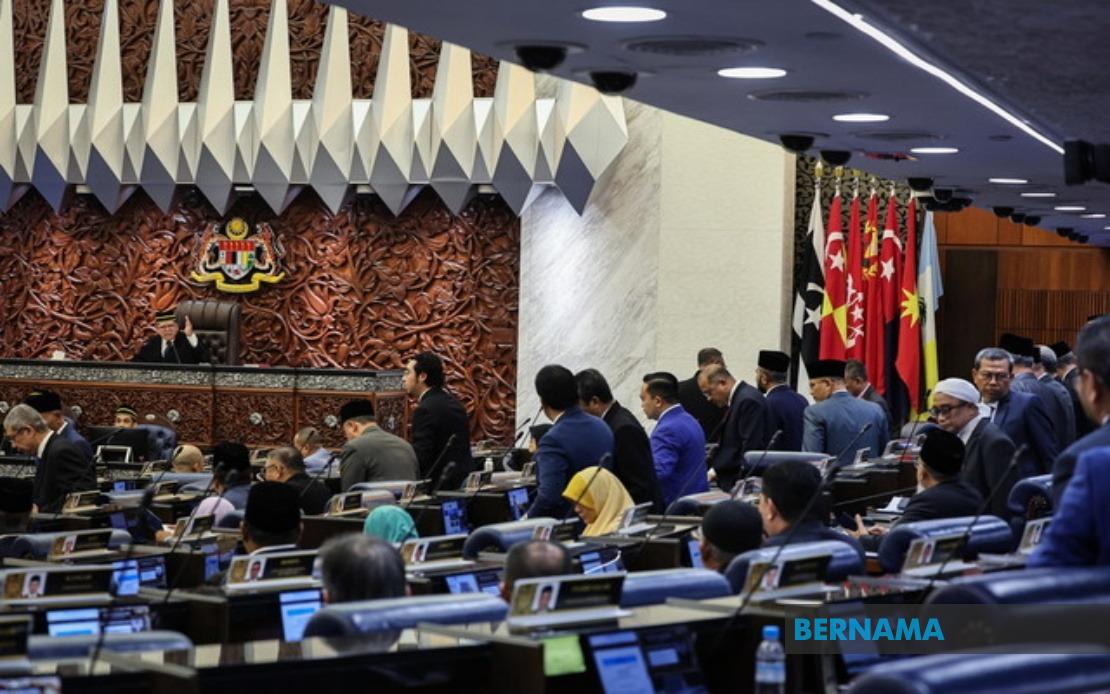
Opposition Members of Parliament staged a dramatic walkout from the Dewan Rakyat on August 11, refusing to participate in a ministerial briefing on the Royal Commission of Inquiry report examining Lembaga Tabung Haji's management and operations. The departure highlighted deep divisions within Parliament over the handling of an investigation into the Islamic pilgrimage savings institution, which has faced numerous criticisms regarding its financial stewardship and governance framework in recent years.
The walkout was triggered by opposition dissatisfaction with Dewan Rakyat Speaker Tan Sri Johari Abdul's decision to proceed with the briefing despite the conspicuous absence of Prime Minister Datuk Seri Anwar Ibrahim and Deputy Prime Minister Datuk Seri Fadillah Yusof. Both senior leaders were receiving medical treatment at the time, a circumstance that opposition lawmakers viewed as sufficiently significant to warrant postponement of such an important parliamentary session on a matter of substantial national concern.
Perikatan Nasional opposition chief whip Datuk Seri Takiyuddin Hassan formally proposed deferring the special sitting, arguing that the absence of these two pivotal government figures undermined the legitimacy and weight of any briefing that proceeded without them. His intervention reflected broader concerns that discussing a comprehensive RCI report without the Prime Minister's participation—particularly one delving into institutional mismanagement—lacked the gravitas expected for such a critical matter affecting Malaysian citizens' retirement savings.
The Speaker's response proved characteristically firm, as he chose not to delay proceedings and instead issued a pointed remark suggesting that lawmakers who did not wish to engage with the discussion should withdraw. His statement—"If anyone wants to leave, leave. If anyone wants to stay, stay. Because the public is watching you"—conveyed both acknowledgement of the walkout option and implicit criticism of those departing. This framing placed responsibility for the boycott squarely on the opposition, suggesting they were shirking parliamentary duty rather than registering legitimate procedural objections.
Once opposition members departed, the sitting continued with its scheduled agenda, and the Minister in the Prime Minister's Department (Religious Affairs), Dr Zulkifli Hasan, proceeded to deliver the planned briefing on the RCI findings. The session thus bifurcated Parliament into two camps: government and allied lawmakers who remained, and opposition representatives who chose absence as their statement of protest regarding the proceedings' legitimacy.
The incident underscores persistent tensions within Malaysia's parliamentary system regarding quorum requirements, procedural propriety, and the political calculus around contested legislative sessions. When senior government figures are unavailable, particularly on matters of high public interest, opposition parties often exploit the absence to challenge the government's agenda or force postponements that might serve their political interests. The Speaker's willingness to proceed despite these absences reflected the government coalition's determination to maintain momentum on addressing the Tabung Haji investigation outcome.
Tabung Haji itself remains a sensitive institution in Malaysian public discourse. As a semi-government body managing pilgrim savings accumulated over decades, it represents not merely a financial entity but also a trust relationship between the state and Muslim Malaysians saving for one of Islam's five pillars. Controversies surrounding its investment losses, governance weaknesses, and management decisions have periodically erupted into public debate, making any RCI report examining these matters inherently politically charged and symbolically significant.
The timing of the briefing during simultaneous medical absences of the PM and Deputy PM reflected the government coalition's confidence in managing the narrative, but the opposition's walkout demonstrated that even a controlling parliamentary majority cannot entirely suppress dissent over procedural concerns. The gesture, though symbolic, registered formal objection to what the opposition characterized as inadequate parliamentary conduct regarding a matter demanding the nation's most senior leadership.
For Malaysian observers monitoring parliamentary dynamics, the episode revealed how routine legislative matters involving government institutions can become proxies for broader constitutional and political tensions. The absence of two key leaders did not technically prevent the briefing's delivery, yet it raised questions about whether such proceedings retain appropriate weight when delivered in diminished circumstances—a calculation opposition lawmakers determined should have translated into postponement rather than proceeding with reduced governmental representation.
The incident also illustrated the Speaker's independent role in parliamentary management and his discretion to override opposition preferences about procedural timing. Tan Sri Johari's decision to allow the walkout while continuing the session reflected confidence that the briefing's substantive content could withstand delivery without the opposition present, even if the circumstances remained politically awkward for the government. This dynamic—where parliamentary business continues despite opposition withdrawal—has become increasingly common in Malaysia's contemporary legislative practice, reflecting the deep polarization characterizing national politics.

