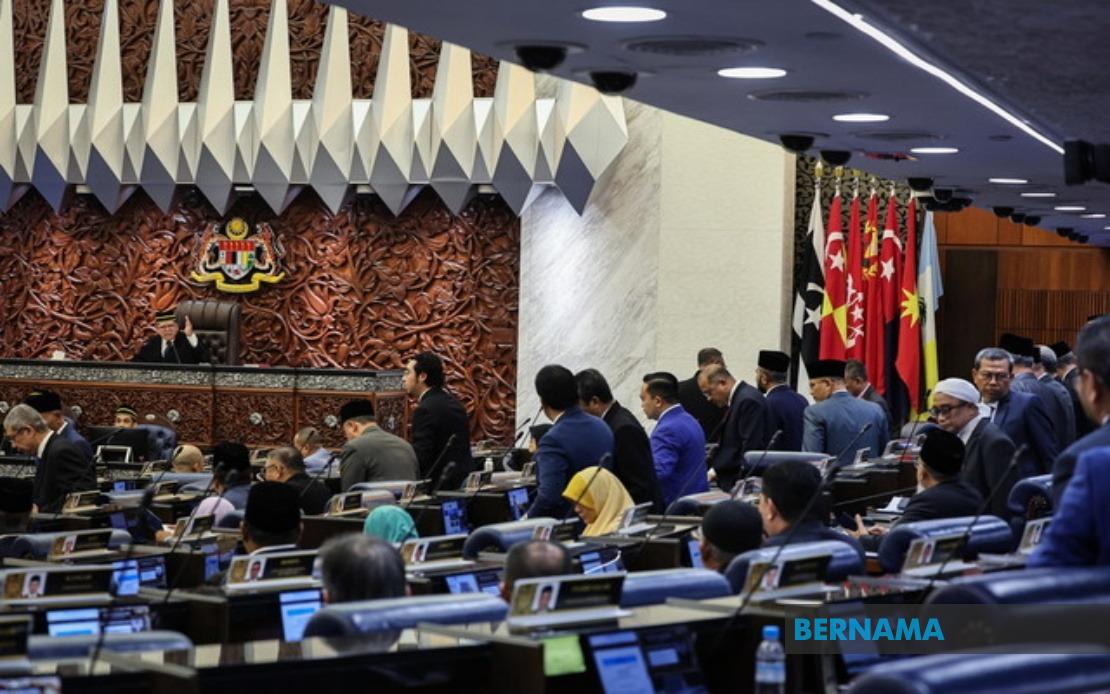
Perikatan Nasional's decision to stage a coordinated walkout from the Dewan Rakyat during a parliamentary sitting dedicated to discussing the Lembaga Tabung Haji RCI report has reignited debate about the opposition's tactical choices and their impact on public accountability. The boycott, led by Opposition Leader Hamzah Zainudin and involving PN Chief Whip Takiyuddin Hassan and PN Chairman Samsuri Mokhtar, responded to the absence of Prime Minister Anwar Ibrahim and Deputy Prime Minister Fadillah Yusof, both receiving medical treatment. However, political analysts argue the move risks undermining the very constituency it claims to represent—the millions of Malaysian Muslims who have entrusted their savings to the pilgrim fund.
The Tabung Haji RCI report, released publicly on July 29 after government approval, contains findings of significant importance to depositors seeking answers about the fund's management and financial performance. The special parliamentary sitting represented a rare opportunity for legislators to formally examine these conclusions and place their assessments squarely into the Hansard record, creating an official chronicle of parliamentary scrutiny that could serve multiple constituencies: affected depositors, the broader Muslim community, future investigators, and electoral voters evaluating their representatives' performance. Walking away from this platform, regardless of underlying rationale, diminishes the legislative contribution to an already sensitive matter.
Prof Datuk Dr Sivamurugan Pandian from Universiti Sains Malaysia's School of Social Sciences characterises the walkout primarily as a protest mechanism targeting the executive's perceived disrespect rather than a tactical choice rooted in substantive concern about Tabung Haji governance. While acknowledging the symbolic weight of prime ministerial absence during such a consequential debate—a legitimate point about executive accountability—Sivamurugan contends that opposition lawmakers possessed far more potent tools had they chosen to remain seated. Sustained parliamentary engagement, detailed interrogation of the RCI findings, rigorous questioning of government ministers about implementation plans, and the formal recording of alternative proposals would all have furnished opposition politicians with durable political capital extending well beyond today's headlines.
The fracturing within the opposition bloc itself further complicates claims that the walkout represented unified principle. Some Perikatan Nasional MPs elected to remain in the chamber, signalling disagreement about whether boycotting served their constituents' interests or merely satisfied internal coalition discipline. This internal dissonance suggests the decision emerged from negotiated party positioning rather than crystalline conviction about how best to advance depositor welfare. When opposition voices diverge openly, the public message muddies, and depositors receive conflicting signals about their elected representatives' true commitment to their cause.
Parliament's constitutional function as a mechanism for checking executive power depends fundamentally on creating layered records of argument, evidence, and formal counter-proposal. A walkout generates ephemeral media attention—headlines fade within days—whereas documented parliamentary debate creates enduring documentation accessible to journalists, civil society organisations, academic researchers, and future commissions of inquiry. When opposition politicians exit the chamber rather than deploy parliamentary procedure to extract detailed responses from government benches, they voluntarily surrender their most effective weapon for holding authority accountable. The Hansard record, searchable and citable indefinitely, amplifies individual parliamentary voices far beyond their immediate electoral districts.
Sivamurugan emphasises that while symbolic protest messaging carries rhetorical force, parliamentary democracy ultimately runs on substantive argument preserved in official records. An opposition that walks out may win applause from partisan supporters viewing the gesture as defiant pushback against perceived executive arrogance, but it loses the more consequential battle for narrative control through persuasive policy analysis. Depositors seeking answers about Tabung Haji's financial trajectory, internal governance failures, and corrective plans need detailed parliamentary interrogation, not symbolic departure. The opposition cannot simultaneously claim to represent these constituents' interests while abandoning parliament's formal mechanisms for scrutiny.
The Prime Minister's absence during a debate concerning a matter affecting nearly 9 million registered members of Tabung Haji does merit serious consideration regarding executive accountability and parliamentary respect. Sivamurugan does not dismiss this concern; rather, he argues it represents a separate issue requiring separate remedies. Opposition MPs dissatisfied with executive attendance could have raised formal points about parliamentary procedure, requested adjournment pending PM attendance, or issued public statements questioning the optics of the prime minister's non-appearance while remaining engaged in substantive debate. These alternatives preserve both the principled objection and the legislative contribution.
The political theatre dimension becomes apparent when examining what opposition lawmakers actually accomplished through their walkout. They generated perhaps twelve hours of media coverage, positioned themselves as stalwart defenders against executive overreach, and satisfied internal coalition pressures without expending political capital on detailed legislative work. Yet they simultaneously abandoned the chance to interrogate ministers about implementation timelines for RCI recommendations, to table alternative recovery proposals, to question specific findings they believe mischaracterise opposition conduct, or to create parliamentary precedent establishing how future governments should handle such sensitive matters. From a pure cost-benefit analysis for depositors—the ostensible beneficiaries of opposition scrutiny—the arithmetic favours sustained engagement over performative exit.
The broader Malaysian context amplifies these concerns. Political trust in institutions has faced sustained erosion across the region, with citizens increasingly cynical about whether elected representatives prioritise public welfare over internal faction positioning. When opposition lawmakers stage walkouts rather than exploit parliamentary procedures, they reinforce public perception that politics operates according to tactical calculations rather than substantive conviction. Depositors observing their representatives abandon parliament during a debate about their life savings receive a clear message about the limits of electoral accountability. They see that when push comes to shove, even nominal opposition engagement proves conditional and reversible.
Looking forward, this episode illuminates recurring parliamentary dilemmas across Westminster-influenced democracies grappling with polarisation and declining institutional respect. Opposition parties face genuine quandaries when executives absent themselves from sensitive debates—walking out risks appearing irresponsible, but remaining risks appearing complicit in perceived disrespect. The solution involves sophisticated parliamentary procedure that simultaneously lodges principled objection and maintains substantive engagement. Rather than opting for binary choices between symbolic gesture and silent acceptance, legislative bodies might develop conventions where opposition formally registers absence-related concerns, requests specific accountability measures, and then proceeds with substantive debate, thereby avoiding the false binary that currently constrains parliamentary discourse.
For Malaysian depositors specifically, the immediate consequence involves diminished parliamentary scrutiny of an already-complicated RCI report during precisely the moment when formal legislative examination could have forced executive accountability for implementation. Whether the opposition's walkout ultimately serves their interests remains highly doubtful, suggesting that Perikatan Nasional may have successfully won an immediate political skirmish while losing the substantially more consequential campaign for effective parliamentary representation of depositor concerns.

