Millions of Indian medical school hopefuls are grappling with intense psychological strain as they prepare to resit one of their country's most gruelling competitive examinations this month, following the unprecedented cancellation of results from an earlier attempt marred by allegations of systematic cheating. The scenario facing these aspirants—sitting through the National Eligibility cum Entrance Test, or NEET, for a second time through circumstances entirely beyond their control—has become a flashpoint for public anxiety and political controversy in India, exposing deep anxieties about the credibility of the nation's most prestigious professional qualification processes.
The original examination held on May 3 was deemed fatally compromised when social media erupted with claims that the full question paper had been leaked and circulated among candidates before the test began. Rather than attempt to investigate individual cases of suspected cheating, the government took the extraordinary step of scrapping all results and ordering an immediate nationwide retake scheduled for June 21. This decision, while intended to restore integrity to the selection process, has inadvertently created a second wave of psychological distress among the examination cohort, who must now invest additional weeks of intensive preparation and relive the examination experience without any certainty that this attempt will proceed without disruption.
The sheer scale of the affected population underscores just how consequential this examination has become within Indian education. More than two million candidates sat the May test, each representing years of relentless academic preparation from secondary school onwards. The competition for places is brutally selective, with only between 5 and 6 per cent of test takers ultimately securing admission to medical degree programmes across India's universities and colleges. For the vast majority of candidates, this single examination represents the culmination of sustained effort and the primary determinant of their professional futures, making the prospect of a invalidated attempt and forced second sitting an understandably traumatic prospect.
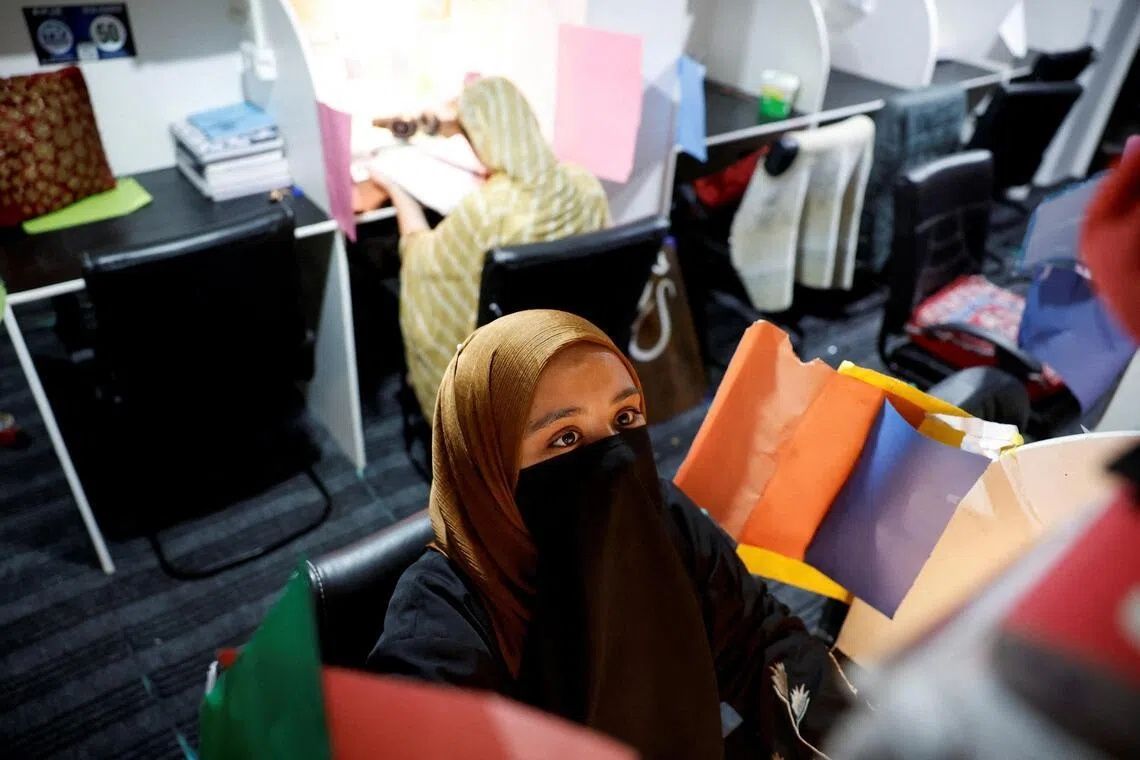
The personal toll on individual students has become increasingly visible and concerning. Alima Javed, a twenty-year-old candidate from Srinagar, articulated the cumulative frustration that many test-takers are experiencing, describing how the examination process drains mental and emotional reserves across multiple sittings, and how the discovery that their months of preparation were rendered meaningless by administrative failure rather than their own shortcomings has compounded their distress. Equally striking is the case of twenty-year-old Aliya Jalaal, who performed well in the original May sitting but has found the prospect of retaking the examination so psychologically destabilising that she has sought professional psychiatric intervention to manage her anxiety symptoms.
The scandal has transcended the examination halls and become a significant political challenge for Prime Minister Narendra Modi's administration. Student demonstrations have erupted spontaneously across major cities including New Delhi, with hundreds of young people taking to streets to protest both the examination debacle and broader concerns about institutional governance and competence. These protests have attracted sustained media attention and have been amplified by opposition political figures, who have seized on the episode as evidence of administrative dysfunction. More darkly, some media outlets and opposition politicians have attributed student suicides to the examination crisis, though substantiating such claims has proven difficult and claims remain contested.
In response to the crisis, the government has attempted to demonstrate its commitment to restoring credibility through multiple channels. Education Minister Dharmendra Pradhan has issued public assurances that the rescheduled examination will be conducted with enhanced fairness and transparency, signalling to anxious candidates that systemic safeguards have been strengthened. Authorities have simultaneously announced a comprehensive security upgrade for the retake, including augmented physical monitoring at examination centres, tightened protocols governing the custody and distribution of question papers, and the introduction of digital tracking systems intended to prevent unauthorised access to examination materials before testing begins.
Government investigators have launched a multi-agency inquiry to identify the origins of the alleged leak and to unravel the networks potentially involved in facilitating cheating. This investigation has included examination of financial transaction records associated with suspected cheating syndicates, and several arrests have reportedly been made across different Indian states. Officials have warned that enhanced penalties for examination malpractice are forthcoming, attempting to signal that the consequences for those implicated in the breach will be sufficiently severe to deter future attempts at systematic cheating.
One of the more controversial preventative measures announced by authorities has involved restricting access to the messaging application Telegram, with the government issuing a temporary block on the platform extending through the duration of the examination period. This action reflected official concern that Telegram's encryption standards and the platform's capacity for creating and recreating private channels had potentially enabled the circulation of the original question paper and might facilitate similar breaches during the retake. However, the telecommunications restriction has provoked considerable pushback from digital rights advocates and free speech campaigners, who argue that throttling access to communication platforms represents an excessive and inappropriate governmental overreach.
The Indian judiciary has effectively endorsed the government's approach on the Telegram restriction. When the messaging application challenged the ban through court proceedings, the Delhi High Court ruled on June 19 that the government's actions were both legally justified and proportionate to the security concerns at stake. The court accepted the government's characterisation of Telegram as presenting unique risks in the examination context, particularly given the platform's anonymity features and the technical ease with which users could establish new channels to replace those blocked by authorities. This judicial backing has provided the government with legal legitimacy for its preventative security measures, though critics argue it establishes a troubling precedent for telecommunications restrictions.
Yet despite these officially announced security enhancements, many of the students facing retake remain unconvinced that the measures are sufficient to restore their confidence in the examination process. The psychological damage from the cancelled May sitting, combined with uncertainty about whether this second attempt will actually proceed without further disruption, has created a pervasive sense of unease within the candidate population. For Malaysian observers, the episode offers instructive perspective on challenges that competitive examination systems face when their integrity is compromised, and the significant psychological costs borne by individual candidates when institutional failures require re-sitting of high-stakes tests. The incident also highlights how governance failures in examination administration can rapidly escalate into broader political controversies in systems where professional qualification processes carry enormous weight in determining life trajectories.

