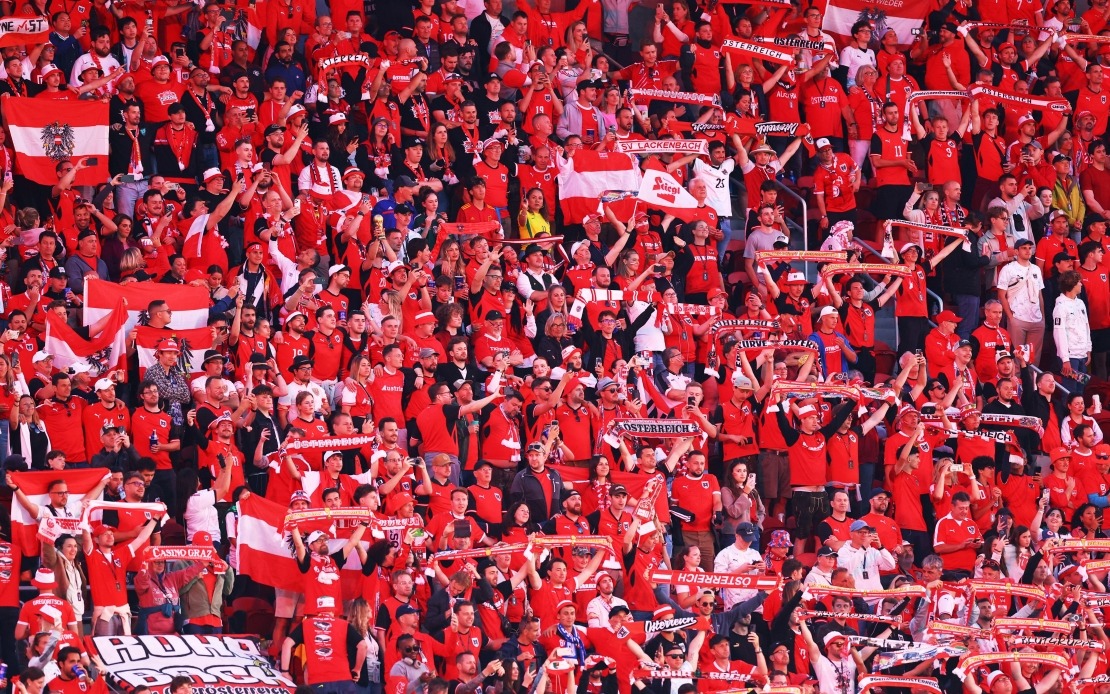
Football's flagship tournament in North America has drawn strong early attendance figures, with FIFA reporting that over one million fans filled stadiums for the opening 16 matches. The governing body stated that 1,028,429 supporters were present across the matches through to Monday, translating to an impressive 99.34 per cent stadium occupancy rate. FIFA President Gianni Infantino shared celebratory remarks on Instagram when he was photographed with the millionth attendee, Aaron Bren, thanking supporters for bringing what he described as the most inclusive World Cup to life.
The robust turnout figures represent a vindication of the tournament's staging in North America, though the road to achieving these numbers was not without initial concerns. Prior to the competition's commencement, observers had questioned whether elevated ticket prices would keep fans away from venues. Early evidence suggested these worries were not entirely unfounded, with visibly sparse sections in the stadium during the South Korea versus Czech Republic encounter in Guadalajara the previous Thursday, as well as during Qatar's match against Switzerland held in California's Bay Area on Saturday. These gaps in the crowd raised questions about whether pricing strategies might dampen overall attendance throughout the month-long competition.
Yet despite those early visual concerns, FIFA's official accounting demonstrates that the tournament has managed to maintain exceptional attendance rates across its opening phase. The 99.34 per cent capacity figure underscores the broad-based appeal of the World Cup as a sporting spectacle, suggesting that while some matches may have experienced pockets of empty seating, the overall draw of international football competition remains potent in attracting paying spectators. For Malaysian football enthusiasts and regional observers, these attendance metrics offer insight into how global sporting events maintain their commercial viability even amid economic pressures that might reduce ticket purchasing.
Behind the positive attendance headlines, however, lie operational challenges that have prompted concern from fan advocacy groups. Football Supporters Europe, a continental confederation representing supporters' interests, has flagged what it characterises as a significant structural risk at the tournament: the absence of traditional fan segregation protocols. Ronan Evain, the organisation's executive director, told BBC Sport that the lack of physical separation between rival supporters represents an unusual departure from standard practice at tournaments of this magnitude and prestige.
Evain articulated a particular vulnerability emerging from FIFA's aggressive ticketing approach. By promoting secondary market sales and individual ticket transactions, the governing body has reduced its visibility into which fans hold tickets for which sections. This information gap creates conditions where supporters of competing nations could find themselves mingled together on the stadium floor, a situation that Evain characterised as riskier than has typically been the case at previous World Cups. The concern is not merely theoretical; mixing rival fan bases without dedicated buffer zones can create flashpoints for confrontation, particularly when emotions run high during high-stakes matches.
FIFA has sought to mitigate these risks through its participant member association allocation system, which reserves blocks of tickets for each nation's official supporters' groups. These designated sections, known as PMA allocations, are ring-fenced to ensure that a country's most dedicated and organised fans are grouped cohesively rather than scattered throughout the stadium. The logic underpinning this approach is sound: official supporter groups are typically vetted, organised, and subject to conduct codes that encourage responsible behaviour. By concentrating these groups in specific areas, tournament organisers aim to minimise spontaneous tensions that might arise from chance encounters between opposing fans.
The tension between FIFA's commercial imperatives and security considerations reflects broader challenges facing major sporting events in an era of robust secondary ticket markets. The ability to resell tickets at market rates appeals to supporters with flexible schedules and to investors seeking arbitrage opportunities, yet it simultaneously erodes the tournament's capacity to maintain the structured, predictable crowd compositions that have historically supported safety and order. For Malaysian fans planning to attend matches or observing the tournament from home, understanding these dynamics provides context for how modern World Cups navigate the competing demands of accessibility, commercial success, and public safety.
The North American World Cup thus far presents a study in contrasts: impressive overall attendance and capacity figures alongside logistical vulnerabilities that fan safety organisations have deemed noteworthy. Whether these early attendance rates will be sustained throughout the tournament's remaining matches will depend partly on the outcomes of key fixtures and partly on whether any security incidents at venues prompt corrective measures. The coming weeks will reveal whether the tournament can maintain its strong opening attendance performance while managing the crowd dynamics that its ticketing model has created.
For Southeast Asian perspectives, the World Cup in North America offers lessons relevant to regional sporting ambitions. As countries across ASEAN develop their football infrastructure and occasionally host international competitions, the balance between generating revenue through flexible ticketing policies and maintaining orderly, secure environments will remain a persistent challenge. Malaysia, as a nation with a developing football culture and a history of hosting regional sporting events, can observe how FIFA navigates these tensions and applies lessons to future regional tournaments.