Pakatan Harapan is bracing for potential coalition manoeuvres by its political opponents as campaigning intensifies for the Negeri Sembilan state election. The ruling coalition has signalled it will not be caught off guard if Barisan Nasional and Perikatan Nasional decide to cooperate on seat allocation and electoral strategy, though party officials stress that such developments would not fundamentally alter their own campaign approach.
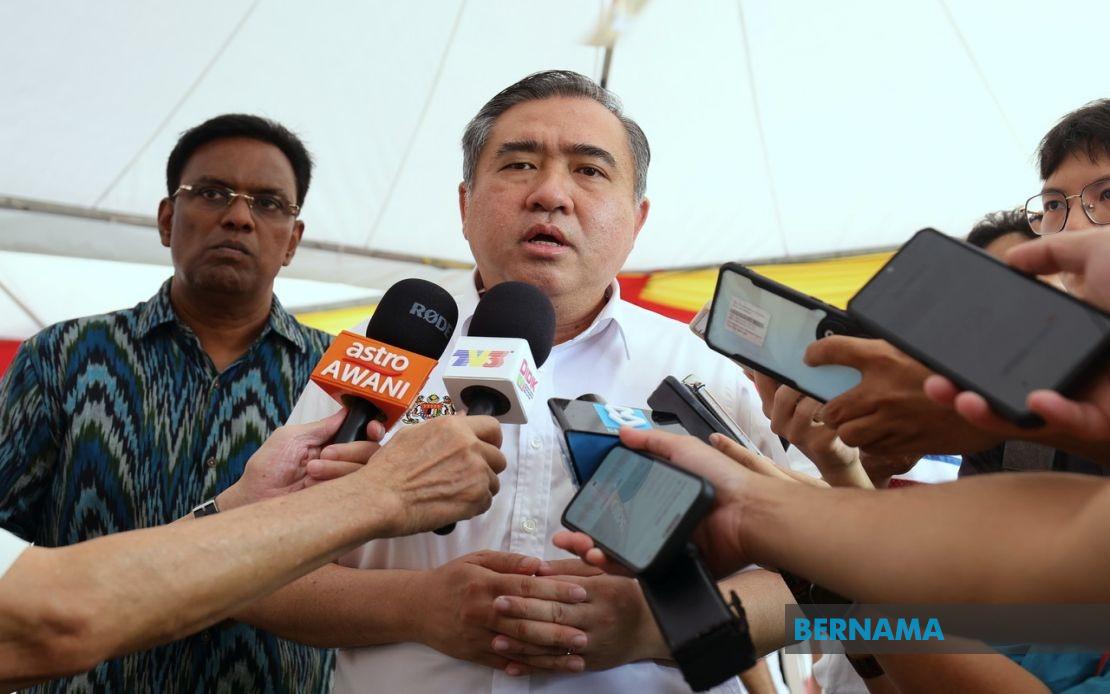
During a public engagement in Seremban on July 16, DAP secretary-general Anthony Loke dismissed concerns about rival political combinations, drawing on lessons from recent state-level contests. He referenced experience gained during the Johor state election, where similar strategic alignments between opposition blocs had been anticipated and managed. The approach reflects a matured understanding within PH that multi-cornered contests have become the norm in Malaysian electoral politics, requiring flexibility rather than reactive adjustment.
Loke's remarks came as speculation mounted about seat-sharing negotiations between BN and PAS, a development that would represent a significant realignment if formalized. The potential cooperation carries particular weight in Negeri Sembilan given the state's political history and demographic composition. By publicly acknowledging such possibilities while insisting they posed no existential threat, Loke sought to project confidence while subtly pressuring PH's own component parties to maintain cohesion.
The DAP leader emphasized that Pakatan Harapan's immediate priority is consolidating unity among its constituent organizations—a pointed reference to internal strains that have occasionally surfaced within the coalition. This focus on strengthening internal machinery rather than obsessing over opponents' strategies suggests a deliberate communications strategy designed to keep PH members focused on their own performance rather than defensive positioning.
When questioned about potential shifts in voter sentiment, particularly among Chinese-speaking communities who might drift toward opposition parties like the Malaysian Chinese Association, Loke adopted a measured tone. He acknowledged that pre-election periods typically feature confident claims from all contenders but insisted that actual polling results would ultimately determine credibility. This rhetorical stance avoided appearing dismissive of rival claims while implicitly questioning their substantive basis.
Loke highlighted the track record of the Negeri Sembilan state government under Menteri Besar Datuk Seri Aminuddin Harun since 2018 as PH's principal electoral asset. The performance of the state administration under Pakatan Harapan stewardship, he argued, should serve as the primary basis for voters to determine their choice. This framing shifts the electoral contest from abstract promises to tangible governance outcomes, potentially advantageous for an incumbent coalition.
Separately, Loke addressed the ongoing political turbulence in Melaka, where DAP had withdrawn from state government participation over objections to the appointment of nominated assembly members. He characterized the decision as final and irreversible, with the state government having reorganized its legislative assembly arrangements accordingly. This clarity on the Melaka situation, though geographically distinct from Negeri Sembilan, carries broader implications for PH's coalition dynamics and decision-making processes across different state contexts.
While addressing the Negeri Sembilan campaign dimensions, Loke also used the occasion to showcase the MADANI Adopted Village, MADANI Adopted School, and Santuni MADANI programmes, initiatives overseen by the Transport Ministry. These rural development efforts, he insisted, reflected continuous implementation rather than electoral opportunism, a claim designed to deflect perceptions that infrastructure spending accelerates during campaign periods. Three locations in the Mantin area were designated beneficiaries of these initiatives.
Loke's defensive posture regarding the timing of development programmes underscores sensitivity to common accusations that government assistance becomes conspicuously visible during election campaigns. By situating these initiatives within a broader, ministry-wide framework beginning in 2025, he attempted to establish that rural facility upgrades form part of standard governance rather than concentrated electoral positioning. Whether such arguments resonate with voters accustomed to recognizing campaign season's characteristic spending patterns remains uncertain.
The broader context reveals a coalition managing multiple pressures simultaneously. Pakatan Harapan confronts potential opposition alliances, internal unity challenges illustrated by Melaka's recent upheaval, and voter sentiment that may be shifting across different demographic segments. Loke's responses suggest a strategy of projecting calm competence while acknowledging competitive realities, a balance that will be tested as Negeri Sembilan's electoral contest develops further.

