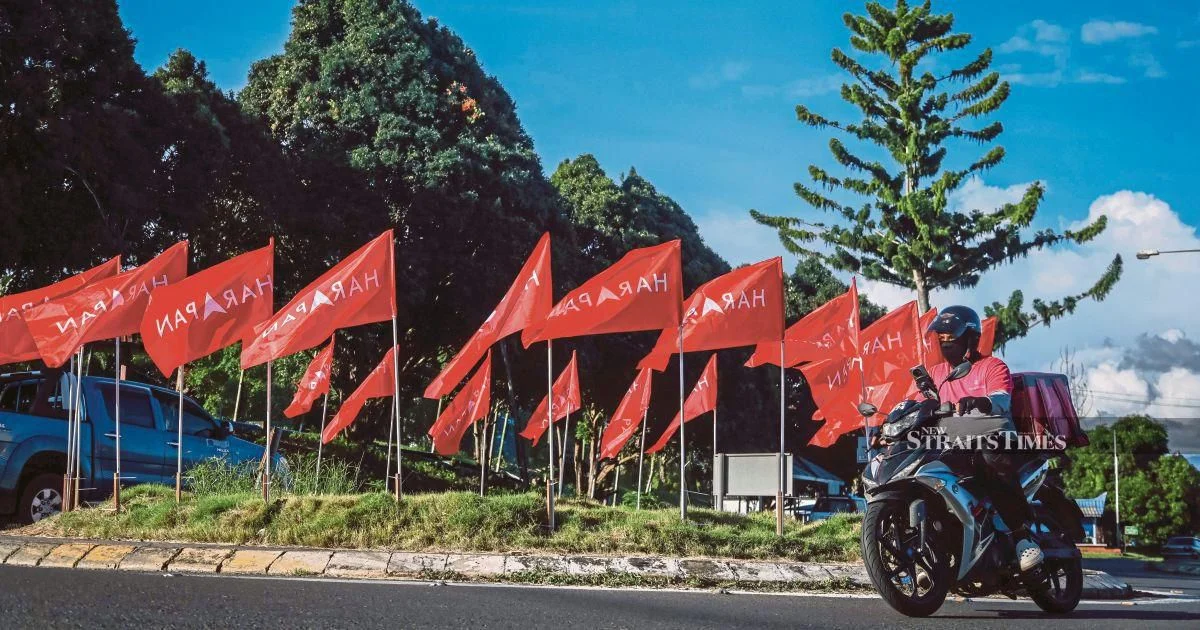
Pakatan Harapan has made clear it will not be stampeded into announcing its menteri besar candidate for the forthcoming 16th Johor state election, signalling the coalition is content to chart its own course despite mounting pressure from competing political forces in the state.
The coalition's stance reflects a strategic decision to avoid the trap of premature candidate announcements, which could invite unnecessary scrutiny or create internal tensions before the formal campaign period begins. Senior figures within Pakatan Harapan appear convinced that holding back the identity of their chief ministerial aspirant serves the coalition's broader interests, even as political opponents attempt to engineer a public naming through various pressure tactics.
Johor represents one of Southeast Asia's most dynamic political battlegrounds, where deep-rooted patronage networks and competing communal interests have historically shaped electoral outcomes. The state's political economy remains heavily influenced by business elites and established feudal structures, making the selection of a menteri besar candidate far more consequential than a mere procedural announcement. Pakatan Harapan's reluctance to prematurely disclose its choice suggests internal deliberations may still be ongoing, or that the coalition is carefully weighing the political fallout of different candidates across Johor's diverse constituencies.
The coalition's measured approach also reflects lessons from previous state and federal elections across Malaysia, where early frontrunner announcements have sometimes triggered defections, factional infighting, or provided opponents with extended periods to chip away at support through targeted campaigning. By maintaining strategic ambiguity, Pakatan Harapan preserves flexibility in its candidate selection process and denies rivals the opportunity for a prolonged assault on a named individual.
Within Johor's fractious political landscape, the menteri besar post carries outsized symbolic weight. The role traditionally represents the apex of state-level politics and commands significant patronage authority over contracts, development approvals, and administrative appointments that cascade through local government. Potential candidates therefore face heightened scrutiny from within their own communities and from external stakeholders invested in Johor's governance trajectory. Pakatan Harapan's refusal to cave to external pressure suggests the coalition recognises that whoever emerges as its chosen leader must do so from a position of strength, not as a product of external manipulation.
The political environment surrounding this forthcoming election reflects broader volatility in Malaysia's state-level politics, where shifting coalitions and alliance fragmentation have become increasingly common over the past decade. Johor itself experienced significant political realignment following the 2022 federal election, with power dynamics continuing to evolve across competing blocs. In this context, Pakatan Harapan's insistence on maintaining control over its own timeline and candidate selection process represents an assertion of coalition autonomy at a moment when external pressures—whether from rival political parties, civil society organisations, or influential business factions—might otherwise dictate the pace of political developments.
For Malaysian voters more broadly, particularly those in Johor, the coalition's stance carries implications for how electoral politics will be conducted in the state. A rushed, pressure-driven announcement could signal to other stakeholders that Pakatan Harapan is reactive rather than strategic, potentially undermining confidence in the coalition's ability to govern effectively. Conversely, demonstrating that the coalition can resist external pressure while making deliberate, internally-driven choices may enhance its credibility among constituencies that value decisiveness and independence from narrow interest-group demands.
The broader regional context also matters. Southeast Asia's democracies have increasingly witnessed attempts by various political actors to engineer outcomes through media pressure, manufactured grassroots campaigns, or coordinated pressure from allied organisations. Pakatan Harapan's resistance to such tactics in the Johor context may be partly about defending democratic norms that prioritise internal party deliberation over externally-imposed timelines. This principle extends beyond Johor, carrying implications for how Malaysian political coalitions should respond to pressure across other state elections and eventual federal electoral cycles.
Rivalries within Johor's political ecosystem remain fierce, with multiple parties and factions competing for influence and resources. By declining to announce its menteri besar candidate prematurely, Pakatan Harapan effectively forces its competitors to campaign without a clearly identifiable target to attack or defend against. This asymmetry of information creates tactical advantage for the coalition, allowing its machinery to mobilise without the constraint of defending a named figurehead before the actual campaign period formally commences.
The question of who ultimately emerges as Pakatan Harapan's choice for menteri besar will reveal much about the coalition's internal power balances and strategic priorities. Whether the selection prioritises ethnic representation, factional balance, technocratic credentials, or grassroots credibility will signal to Johor voters what values the coalition believes will resonate most effectively during the election campaign. Maintaining discretion until the decisive moment thus allows Pakatan Harapan to make its choice based on the most current assessment of political conditions, rather than being locked into positions determined months in advance.
Ultimately, Pakatan Harapan's resolute refusal to be pressured into an early announcement reflects a political calculation that strength lies in retaining agency over its own decision-making processes. For a coalition navigating the complexities of Malaysian politics, where internal cohesion and external credibility both matter enormously, such steadfastness may prove more valuable than the temporary relief of satisfying demands for immediate clarity.

