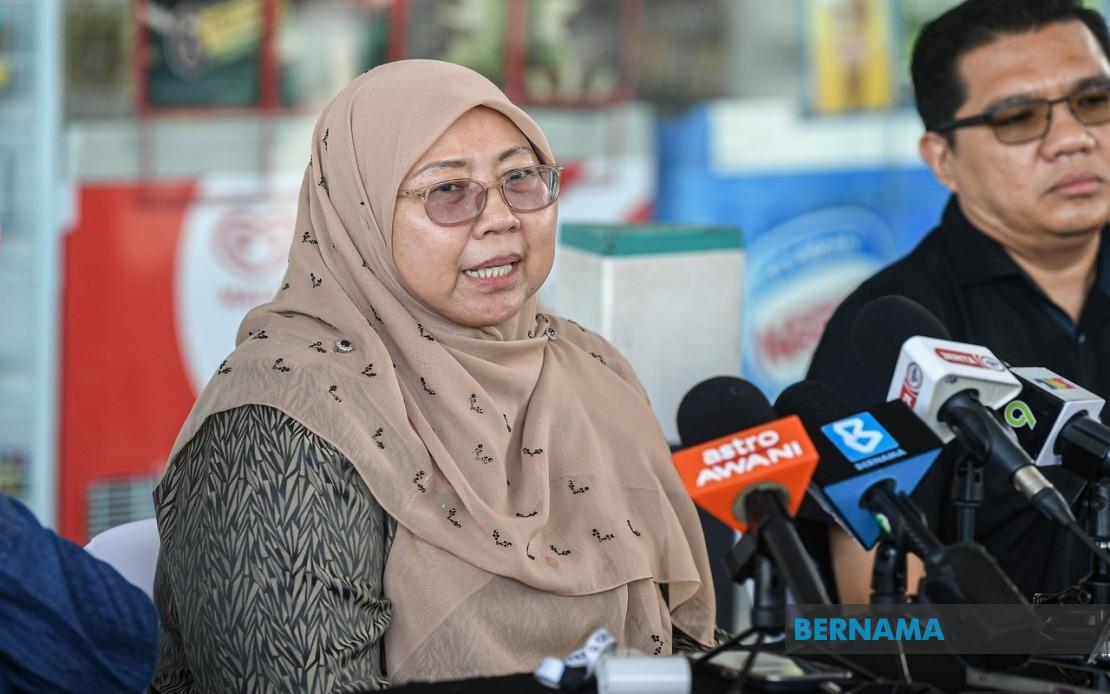
Pakatan Harapan is pressing ahead with its campaign momentum in Johor state despite a series of minor sabotage incidents targeting its electoral machinery, according to PKR secretary-general Datuk Fuziah Salleh. Speaking at a press conference in Johor Bahru on July 2, Fuziah characterised the problems as isolated disruptions that have failed to shake the ruling federal coalition's confidence or organisational capacity as it contests constituencies across the state ahead of the July 11 poll.
The incidents that have occurred include the unauthorised removal and deliberate damage of campaign posters, destruction of billboards bearing party branding, and the burning of Pakatan Harapan flags at various locations. However, Fuziah, who also serves as Deputy Minister of Domestic Trade and Cost of Living, stressed that such actions represent mere irritants rather than substantive obstacles to the coalition's electoral strategy. She painted a picture of a campaign that has maintained its equilibrium and forward momentum despite these provocations, suggesting that voter engagement and party morale remain robust across the state.
The intensity of ground operations has actually accelerated rather than diminished in response to the disruptions. Fuziah revealed that Pakatan Harapan candidates are maintaining an extraordinarily demanding daily schedule, with each contender participating in approximately ten separate events from early morning through to late evening. This relentless pace reflects the coalition's determination to maximise voter contact and build grassroots support in the final weeks before the election, demonstrating organisational discipline despite the sabotage attempts.
Feedback from the electorate, particularly from younger voters and those casting their ballots for the first time, has reportedly vindicated this intensive campaign approach. Fuziah noted that these demographic groups are responding positively to Pakatan Harapan's messaging and candidate engagement, indicating growing support for the federal ruling coalition among voters who will shape electoral trends in coming years. This suggests that despite the sabotage incidents, the coalition is successfully translating campaign activity into voter receptiveness.
A controversy emerged regarding statements made by Pakatan Harapan candidates for the Skudai and Perlis state seats, who had released what they presented as a manifesto document. Fuziah moved to clarify and distinguish between official party policy positions and individual candidate commitments to local constituencies. She argued that the candidates' statements reflected personal pledges and locational problem-solving rather than comprehensive state-level policy platforms that would characterise a formal party manifesto.
The distinction carries significance for how voters interpret candidate promises and party priorities. Fuziah emphasised that matters such as waste collection management and other municipal-level concerns, while important to residents, do not constitute manifestos in the political sense. She defined a true manifesto as encompassing major policy initiatives that a government commits to implementing comprehensively across its jurisdiction, rather than narrower promises confined to individual electoral districts.
This framing reflects Pakatan Harapan's strategy of maintaining flexibility at the candidate level while reserving major policy announcements for centralised party control. By treating local commitments as grassroots pledges distinct from official manifesto positions, the coalition preserves room to reprioritise policies following the election while still honouring candidate-level undertakings. The official Pakatan Harapan manifesto for the Johor state election was scheduled to be unveiled on July 3, the day following Fuziah's statement.
The 16th Johor state election represents a significant test for Pakatan Harapan's performance in a state historically important to Malaysian electoral politics. A total of 172 candidates are competing across various constituencies, with early voting scheduled for July 7 preceding the main polling day on July 11. This staggered voting process is designed to accommodate federal employees and security personnel who require alternative voting arrangements.
For Malaysian observers tracking the dynamics of federal-state political competition, the Johor election carries implications beyond the state itself. Pakatan Harapan's ability to maintain campaign momentum and translate voter receptiveness into electoral gains will signal the coalition's strength in regional political contests and its capacity to withstand operational disruptions. The sabotage incidents, while individually minor, collectively test the coalition's resilience and organisational unity during a critical election period.
The timing of these disruptions, occurring just days before polling, suggests deliberate efforts by opposing forces to destabilise campaign operations and morale. However, Fuziah's public dismissal of their significance reflects a calculated approach to deny critics any narrative of campaign weakness or vulnerability. By characterising the incidents as negligible and emphasising ongoing campaign vigour, the Pakatan Harapan leadership aims to project confidence to both internal supporters and external observers.
The contrast between the relatively modest nature of the sabotage incidents and Pakatan Harapan's strong response underscores the psychological dimensions of electoral campaigns. Even minor disruptions can affect candidate morale and volunteer commitment if framed as evidence of organisational difficulty. Conversely, swift and confident dismissal of such incidents can reinforce perceptions of campaign strength and coalition stability.
As the Johor state election approaches its climax, the interplay between campaign intensity, voter receptiveness, and operational resilience will increasingly determine outcomes. Pakatan Harapan's decision to intensify activities rather than scale back operations in response to sabotage suggests the coalition views the election outcome as sufficiently within reach to warrant continued full commitment of resources. The weeks ahead will test whether this calculation translates into electoral success or becomes overshadowed by unexpected developments in the final stretch of campaigning.

