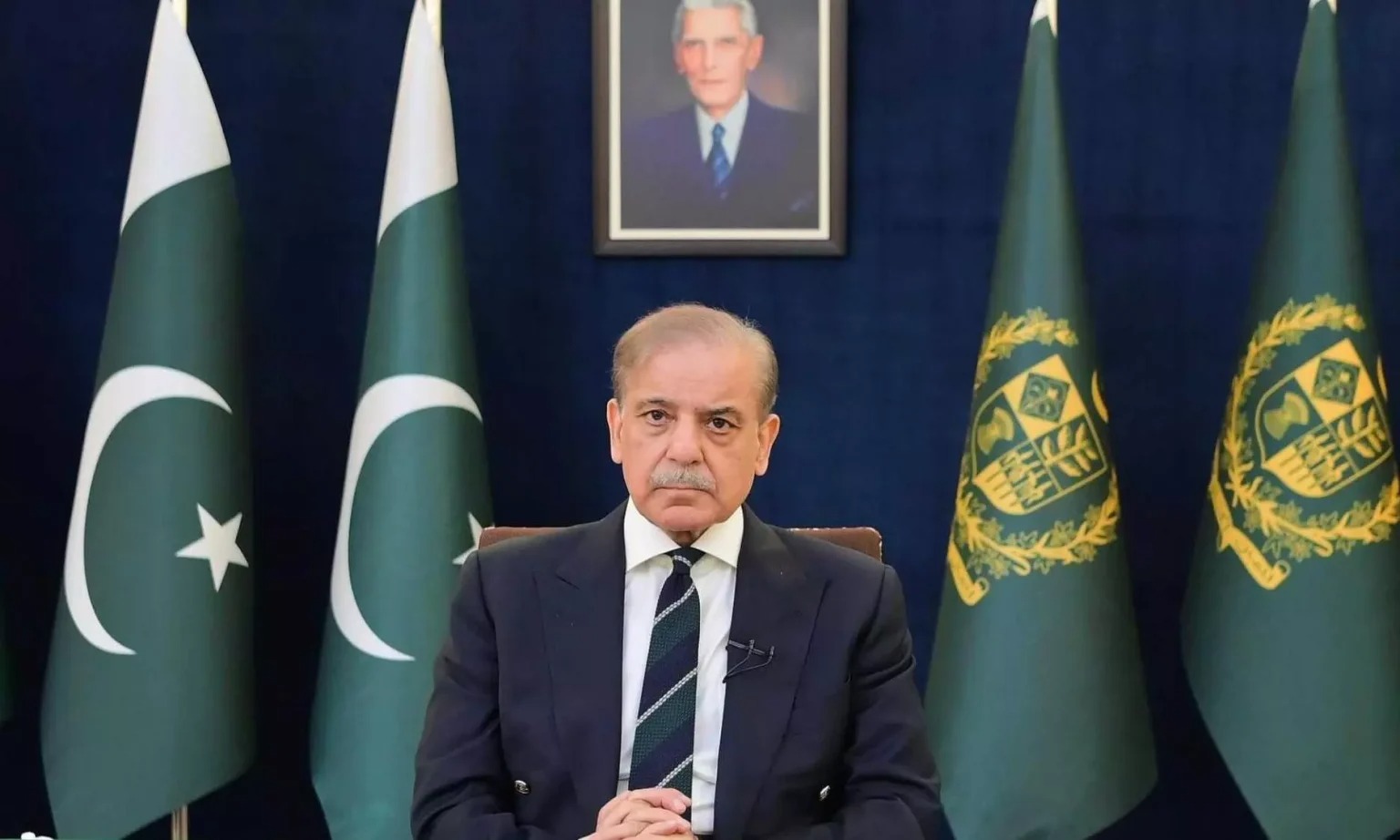
Pakistan's Prime Minister Shehbaz Sharif is set to journey to Tehran on July 4 to participate in funeral rites for Iran's Supreme Leader Ayatollah Ali Khamenei, marking a significant diplomatic gesture between the two neighbouring Islamic nations. The decision underscores Pakistan's commitment to honouring its relationship with Iran during a period of national mourning in the Islamic Republic.
Foreign Ministry spokesman Tahir Andrabi disclosed the attendance plans during a media briefing held in Islamabad on Thursday, emphasising that Sharif's presence would serve as a formal expression of sympathy from both the Pakistani people and government towards Iran's leadership and the Khamenei family. Such high-level attendance at funeral ceremonies carries considerable symbolic weight in diplomatic protocol, particularly when involving senior leaders of neighbouring states with deep historical and religious ties.
The three-day foreign visit, scheduled from July 3 to July 5, reflects the interconnected nature of regional diplomacy in South and West Asia. Beyond the funeral observance, Sharif's itinerary extends to Turkey, where he will engage in substantive discussions with Turkish President Recep Tayyip Erdogan on matters affecting bilateral relations and broader regional stability. This two-nation tour positions Pakistan strategically within the geopolitical landscape of the Muslim world.
The delegation accompanying Sharif demonstrates the gravity with which Pakistan views these engagements. Deputy Prime Minister and Foreign Minister Ishaq Dar will travel alongside the prime minister, bringing considerable institutional weight to negotiations. The inclusion of additional cabinet ministers further signals that Pakistan intends to address substantive policy matters during these visits, rather than limiting the trip to ceremonial functions alone.
Pakistan and Iran share a 959-kilometre border and face common security challenges, particularly concerning militant groups operating in border regions. The funeral visit provides an opportunity for Pakistani leadership to affirm solidarity with Iran during a transition period for its government. Such demonstrations of diplomatic respect can facilitate dialogue on security cooperation and cross-border issues that affect both nations' stability and development.
The Turkish leg of Sharif's journey reflects Pakistan's broader engagement strategy within the Organisation of Islamic Cooperation and among major regional powers. Turkey, as a NATO member with significant influence in Central Asia and the Middle East, represents a crucial diplomatic and strategic partner. Discussions between Sharif and Erdogan will likely encompass economic cooperation, security matters, and regional developments including the situation in Afghanistan and broader Indo-Pacific dynamics.
Meanwhile, India's representation at the funeral through Bihar Governor Syed Ata Hasnain and Deputy Foreign Minister Pabitra Margherita illustrates the international scale of the event. India's participation, though at a lower diplomatic level compared to Pakistan's prime ministerial delegation, reflects New Delhi's interest in maintaining stable relations with Iran amid evolving geopolitical alignments in South and West Asia. The differentiation in representation levels carries implications for how each nation's government evaluates its relationship with Iran.
For Malaysian observers, Pakistan's diplomatic activism in this period demonstrates how medium-sized regional powers navigate complex relationships with multiple stakeholders. Pakistan's ability to maintain constructive engagement with both Iran and Turkey—countries with occasionally divergent interests—mirrors challenges that Southeast Asian nations face in balancing relationships with major powers and regional actors. The principle of attending to diplomatic courtesies while advancing bilateral interests remains relevant across regions.
The timing of this funeral and Sharif's attendance occurs during a period of internal transformation within Iran's governance structure. Pakistan's early and high-level participation signals continuity and stability in bilateral relations regardless of leadership transitions in Tehran. This approach to diplomatic engagement—sending senior officials to mark significant moments in neighbouring countries—helps maintain institutional relationships that transcend individual administrations.
Shehbaz Sharif's diplomatic tour also occurs against the backdrop of Pakistan's ongoing economic stabilisation efforts and complex regional security environment. By demonstrating Pakistan's continued engagement in regional affairs at the highest levels, the government reinforces its position as an active participant in shaping developments across South Asia, the Middle East, and beyond. Such diplomatic visibility can contribute to Pakistan's international standing and its ability to influence discussions on matters affecting its interests.

