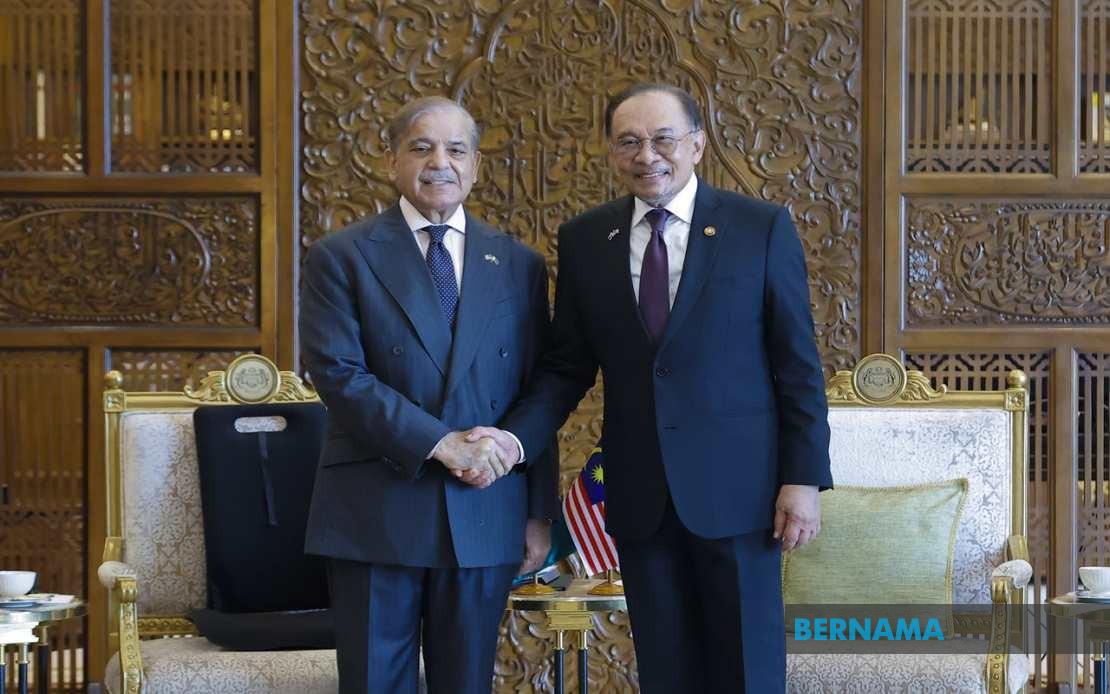
Pakistani Prime Minister Shehbaz Sharif has extended warm wishes and prayers to his Malaysian counterpart, Prime Minister Datuk Seri Anwar Ibrahim, as the latter undergoes a series of medical examinations and procedures. The gesture, conveyed through a post on the social media platform X on Monday, underscores the cordial diplomatic ties maintained between Islamabad and Kuala Lumpur at the highest political levels. Sharif's message specifically invoked religious blessings, expressing his hope that Anwar would experience a swift and uncomplicated recovery and a prompt return to his official responsibilities.
The Pakistani premier's statement carried broader symbolic weight, as he noted that the entire Pakistani nation stood in solidarity during this period. By emphasizing that the people of Pakistan joined him in his prayers for Anwar's wellbeing, Sharif framed the gesture not merely as a bilateral courtesy but as an expression of collective goodwill between the two Muslim-majority nations. This form of high-level diplomatic messaging, though typically brief, reflects the substantive relationship that exists between Pakistan and Malaysia on economic, cultural, and political matters.
According to a statement from Anwar's Senior Press Secretary Tunku Nashrul Abaidah, the Malaysian Prime Minister was undergoing a comprehensive medical examination regime that had been specifically tailored by his medical specialists. The disclosure of such procedures through official channels is standard practice, allowing the Malaysian public and international observers to remain informed regarding the health status of the nation's top political leadership. The transparency serves to maintain confidence in governmental continuity and institutional stability during periods when the Prime Minister requires medical attention.
The medical procedures were scheduled to take place over a concentrated timeframe, with Anwar expected to remain under clinical observation for a two-day period following the initial interventions. This relatively brief observation window suggests that the procedures were routine in nature rather than constituting an emergency intervention, thereby providing reassurance about the Prime Minister's overall health trajectory. The decision to publicly communicate the medical schedule reflected a deliberate approach to maintaining transparency with stakeholders while minimizing unnecessary speculation or concern.
For Malaysia's political landscape, such health-related announcements carry particular significance given the constitutional and parliamentary implications of prime ministerial incapacity. The formal disclosure mechanism ensures that constitutional protocols are properly observed and that the institutional machinery of government remains functionally clear regarding lines of succession and interim authority. Regional observers typically monitor such announcements closely, as the health and continuity of Malaysia's executive leadership carries implications for ASEAN stability and bilateral relationships throughout Southeast Asia.
The exchange between Sharif and Anwar exemplifies the networking patterns that characterize contemporary South Asian and Southeast Asian diplomacy. Pakistan and Malaysia, despite their geographical separation, maintain multifaceted engagement spanning trade, education, defence cooperation, and people-to-people exchanges. Such moments of public solidarity—particularly when expressed through personal messages from one leader to another—serve to reinforce these institutional and personal relationships, creating diplomatic capital that proves valuable during periods of bilateral negotiation or regional coordination.
Anwar Ibrahim's political trajectory has been marked by periods of both extraordinary prominence and significant personal challenges throughout his career in Malaysian politics. His current tenure as Prime Minister, following his return to electoral politics after a lengthy interval, has coincided with efforts to restore public confidence in governmental institutions and to address Malaysia's economic challenges. Any disruption to his active engagement, even of a temporary medical nature, generates attention from political analysts and international observers interested in the trajectory of Malaysian governance.
The broader context of Malaysia-Pakistan relations deserves consideration, particularly regarding bilateral initiatives in economic development and religious affairs. Both nations maintain active engagement within the Organisation of Islamic Cooperation and share perspectives on various regional security matters. The health and political stability of each nation's leadership therefore carries implications extending beyond domestic borders, influencing broader dynamics within Islamic-majority nations and ASEAN member states.
Anwar's administration has undertaken significant initiatives since assuming office, including efforts to combat corruption, stabilise the economy, and strengthen democratic institutions. Any period of reduced executive engagement, therefore, receives careful monitoring by international stakeholders assessing Malaysia's political and economic trajectory. The public disclosure of the medical procedures and the international expressions of support serve to normalize what might otherwise generate concerning speculation about governmental capacity and continuity.
The messaging from Islamabad also reflects broader diplomatic protocol, wherein leaders of Muslim-majority nations frequently invoke religious frameworks when addressing matters concerning personal health and wellbeing. This particular linguistic and cultural register, familiar to observers of South Asian and Southeast Asian diplomacy, adds a dimension of personal warmth to what might otherwise constitute routine diplomatic communication. The invocation of Islamic blessings signals not merely formal courtesy but genuine engagement rooted in shared religious and cultural frameworks.

