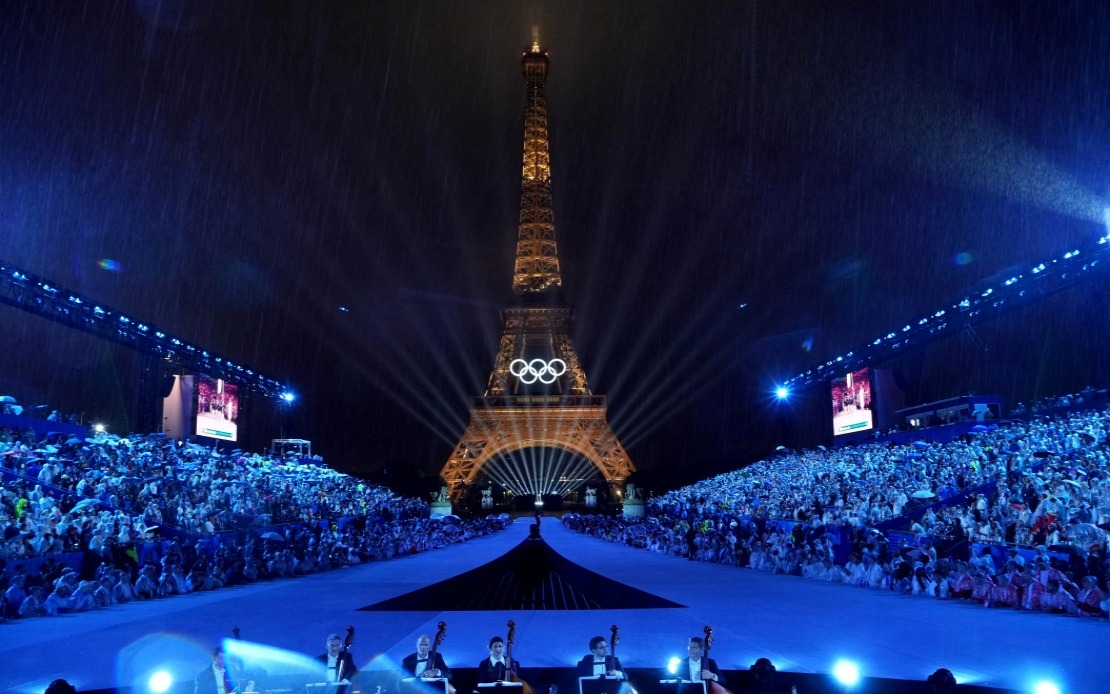
Iconic Parisian landmarks have taken the unusual step of shutting their doors early this week as France contends with dangerously high temperatures that are putting both staff and visitors at risk. The Eiffel Tower, one of the world's most visited monuments, closed exceptionally at 4.00 pm local time on Tuesday in response to the intense heat gripping the nation, with the operating company Sete citing the safety of employees and guests as the primary concern driving the decision.
The early closure affected visitor schedules significantly, with the last entry time pushed back to 12.15 pm on Tuesday. Those who had purchased tickets for time slots beginning at 11.30 am for stair access or 12.00 pm for lift access are entitled to automatic refunds, according to the monument's official website. The measure reflects the unprecedented nature of the heat emergency and the operational challenges facing one of Paris's most celebrated attractions.
The Louvre Museum, France's premier art institution and home to masterpieces including the Mona Lisa, followed suit by announcing an extended early closure schedule. From June 24 through June 27, the museum will shut at 4.00 pm instead of its standard 6.00 pm closing time. This four-day adjustment underscores how comprehensively the heatwave is affecting tourism and cultural operations across the French capital, forcing difficult decisions about balancing access with workplace welfare.
Meteo-France, the national weather service, has warned that the extreme conditions will persist through at least Thursday, with no immediate relief anticipated in the coming days. On Tuesday afternoon, temperatures in Paris had already climbed to 36 degrees Celsius, a punishing level that makes outdoor and indoor environments without adequate cooling systems potentially hazardous. Forecasters predict conditions will worsen, with Wednesday expected to bring highs reaching 38 degrees Celsius in the capital, pushing the heatwave into genuinely dangerous territory.
The geographical scope of the crisis is remarkable, with the vast majority of France's territory affected by dangerous heat conditions. Meteo-France placed 54 departments across mainland France under red alert, the highest tier in the national heatwave warning system, signifying an exceptional danger level requiring immediate protective measures. An additional 35 departments were positioned at the orange alert level, the second-highest classification, meaning that nearly all of metropolitan France is experiencing significant heat stress.
For Malaysian and Southeast Asian readers, the closure of major tourist attractions due to weather offers a sobering reminder of how climate extremes can disrupt normal operations even in developed nations with substantial resources. While Malaysia regularly contends with intense heat and humidity, the heatwaves affecting Europe in recent years represent a departure from historical norms for those regions, forcing rapid adaptation in infrastructure and workplace practices. The phenomenon demonstrates how global warming is creating unprecedented challenges across diverse geographic and economic contexts.
The decision to close the Eiffel Tower and other cultural institutions reflects evolving attitudes toward occupational health and safety during extreme weather events. In previous decades, such closures would have been unthinkable for tourist attractions in a major global city, but rising temperatures and growing understanding of heat-related health risks are changing operational policies. This represents a significant shift in how major organisations balance revenue and visitor access against the genuine dangers posed by extreme heat conditions.
The heatwave's impact extends beyond tourism to encompass broader concerns about public health, energy demand, and infrastructure strain across France and neighbouring European nations. Hospitals and medical facilities across the affected regions typically see increased admissions for heat-related illness during such events, particularly among elderly residents and those with underlying health conditions. Transportation networks and utilities also face pressure when ambient temperatures reach these levels, as rail systems, roadways, and electrical grids operate at or near maximum capacity.
The timing of the heatwave during the peak summer tourism season creates particular challenges for Paris, which normally welcomes millions of visitors annually seeking to experience its cultural treasures and iconic landmarks. The Eiffel Tower alone typically receives approximately seven million visitors each year, making any significant operational disruption noteworthy. Early closures reduce visitor capacity substantially, potentially affecting travel plans and economic activity for tourism-dependent businesses in the city.
Looking forward, the early closure protocols adopted by Paris's major attractions may become established procedures during future heatwaves, particularly if climate scientists' projections of increasing extreme heat events prove accurate. Facility operators face mounting pressure to implement heat management strategies, from improved ventilation and cooling systems to revised scheduling that acknowledges temperature constraints. The challenge for cultural institutions is maintaining public access to these treasured sites while ensuring that employees are not exposed to potentially life-threatening conditions during their work shifts.

