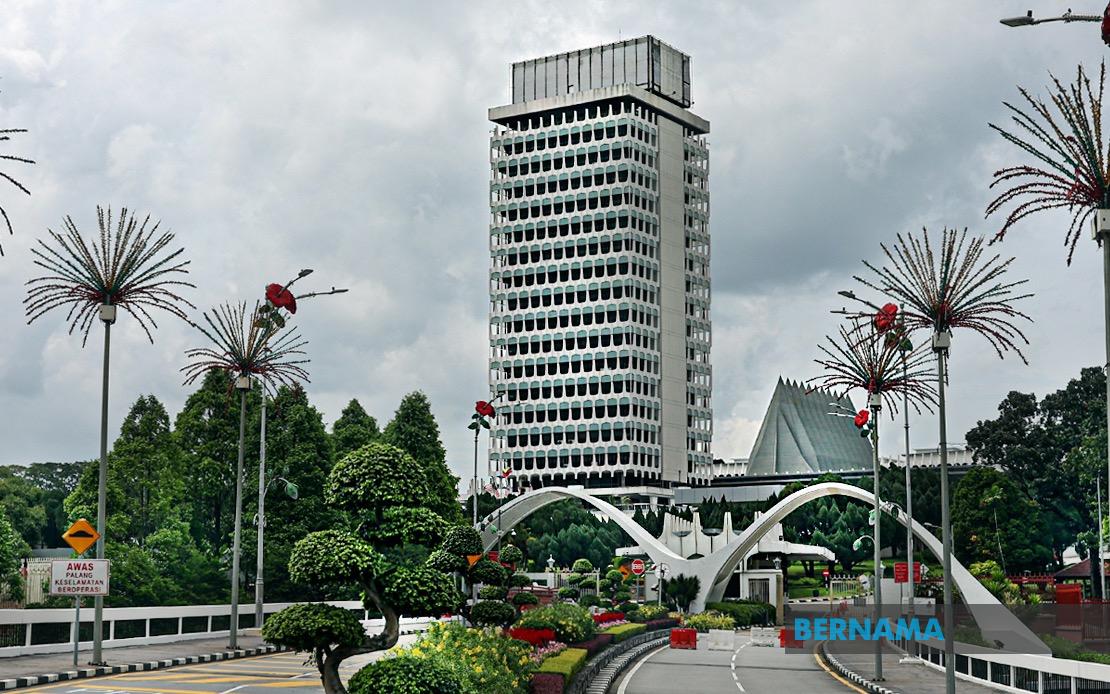
Prime Minister Datuk Seri Anwar Ibrahim moved to address longstanding concerns about regional equity during the second week of the Dewan Rakyat's current sitting, which began June 22 and continues until July 16. In his response during Ministers' Question Time on Tuesday, Anwar emphasised that the Federal Government's funding distribution framework ensures that nearly all Malaysian states benefit from allocations that substantially exceed the tax revenue they individually generate. This clarification directly countered assertions that certain states have been deliberately marginalised or starved of resources, a persistent grievance in Malaysian politics that occasionally resurfaces during budget debates and election campaigns.
The Prime Minister's reasoning for this allocation methodology centres on the principle that development funding follows demonstrated need rather than strict revenue contribution. Anwar underscored that the government assesses poverty levels, infrastructure gaps, demographic pressures, and economic development priorities when determining which regions receive enhanced support. This needs-based approach reflects a broader federal policy objective to reduce regional disparities and ensure that less industrialised or more rural areas do not fall further behind their developed counterparts. The clarification holds particular significance for less wealthy states that have historically felt disadvantaged in competing for development resources, offering them reassurance that the allocation framework explicitly recognises and accommodates their circumstances.
A procedural issue that emerged during parliamentary debate concerns how state governments can request enhanced funding for development projects that require a Notice of Change. Anwar explained that when such amendments arise, the affected proposals must undergo renegotiation before the Federal Government considers approving additional allocations or extending loans to fund them. This requirement ensures that any modifications to project scope or budget are properly vetted and that financial commitments reflect current circumstances rather than outdated assumptions. For state administrations managing major infrastructure initiatives, this represents an important clarification about the bureaucratic pathway they must follow when circumstances necessitate material changes to previously approved proposals.
The Prime Minister also seized the parliamentary platform to reinforce electoral regulations that constrain executive announcements during campaign periods. Anwar stressed that in accordance with Section 24B of the Election Offences Act 1954, the government refrains from announcing new projects or policies during active election campaigns. This adherence to the law reflects efforts to maintain a level political playing field and prevent the ruling coalition from leveraging the machinery of government to campaign advantages. While such regulations occasionally frustrate administrators eager to publicise popular initiatives, maintaining this discipline is crucial for electoral integrity and public confidence in the impartiality of government operations.
Beyond budget discussions, the Dewan Rakyat achieved significant legislative progress during the week. Parliament passed the Sexual Offences Against Children (Amendment) Bill 2026, reinforcing legal protections for vulnerable young people and updating criminal statutes to address contemporary abuse patterns. Simultaneously, lawmakers approved amendments to the Employment Insurance System (Amendment) Bill 2025, modernising social protection mechanisms for Malaysia's workforce. The passage of the Cybercrime Bill 2026 represents perhaps the week's most consequential legislative achievement, establishing criminal offences and penalties addressing digital forgery, commonly known as deepfakes, and prohibiting the non-consensual dissemination of manipulated intimate images through electronic systems. As deepfake technology becomes increasingly accessible and threatening, this legislation equips law enforcement with necessary statutory tools to prosecute perpetrators and protect victims from image-based sexual abuse.
Turning to commercial law reform, Minister in the Prime Minister's Department (Law and Institutional Reform) Datuk Seri Azalina Othman Said announced that government has completed a comprehensive study on reforming Malaysia's contract law framework. The final report, now distributed to Members of Parliament, includes policy recommendations, comparative analysis of international contract law models, and draft legislation. The updated framework will explicitly recognise third-party rights in commercial arrangements and modernise provisions governing commercial agencies, reflecting contemporary business practices including artificial intelligence deployment. For Malaysia's corporate sector and legal professionals, this reform initiative signals recognition that existing contractual law requires updating to accommodate modern commercial relationships and technological integration.
Price stability and supply chain management emerged as another parliamentary priority during the week. Economy Minister Akmal Nasrullah Mohd Nasir disclosed that the government maintains daily monitoring protocols tracking supplies and prices of essential goods throughout the country. He noted that coordinated efforts with Petroliam Nasional Berhad and other industry participants aim to preserve energy supply stability and ensure that both consumers and crucial economic sectors remain insulated from price volatility. This commitment to supply chain integrity reflects government concern about inflationary pressures affecting household budgets and industrial competitiveness, particularly given regional economic uncertainties and global energy market fluctuations.
In education policy, Deputy Education Minister Wong Kah Woh highlighted the MADANI Book Voucher programme 2026, a direct investment in student literacy and educational access. The initiative will benefit more than 2.2 million students across schools under the Ministry of Education's purview, with the government committing RM221.6 million for the scheme. Students receive digital vouchers valued at RM100 each, redeemable for books and educational materials. The programme commenced redemption last Wednesday and continues until October 31, representing a tangible government intervention to support reading habits and educational equity across Malaysia's diverse student population.
Digital regulation featured prominently in parliamentary discussions as Communications Minister Datuk Fahmi Fadzil reported on implementing the Online Safety Act 2025. The government is currently finalising the regulatory framework, including an additional instrument specifically addressing private messaging features. This supplementary regulation aims to clarify the obligations that digital platforms bear in managing harmful content transmitted through private channels, a persistently challenging regulatory domain given encryption and privacy considerations. Fahmi noted that the Malaysian Communications and Multimedia Commission is exploring agentic artificial intelligence technology to enhance complaint management efficiency and reduce officer workload, acknowledging that traditional manual review processes struggle to scale with the volume of online content requiring assessment.
Technology deployment extends beyond regulatory oversight to include encouraging social media platforms themselves to harness artificial intelligence for content moderation. Fahmi indicated that digital platforms are being encouraged to leverage advanced AI systems to detect and remove content violating community guidelines more rapidly than manual human review alone permits. This collaborative approach between regulators and platforms recognises that purely governmental moderation capacity cannot match the volume and velocity of online communication, particularly across multiple languages and cultural contexts. By incentivising platforms to invest in technology-driven solutions, regulators hope to achieve more comprehensive and timely content management while respecting the complexity of determining what constitutes harmful material across Malaysia's diverse society.

