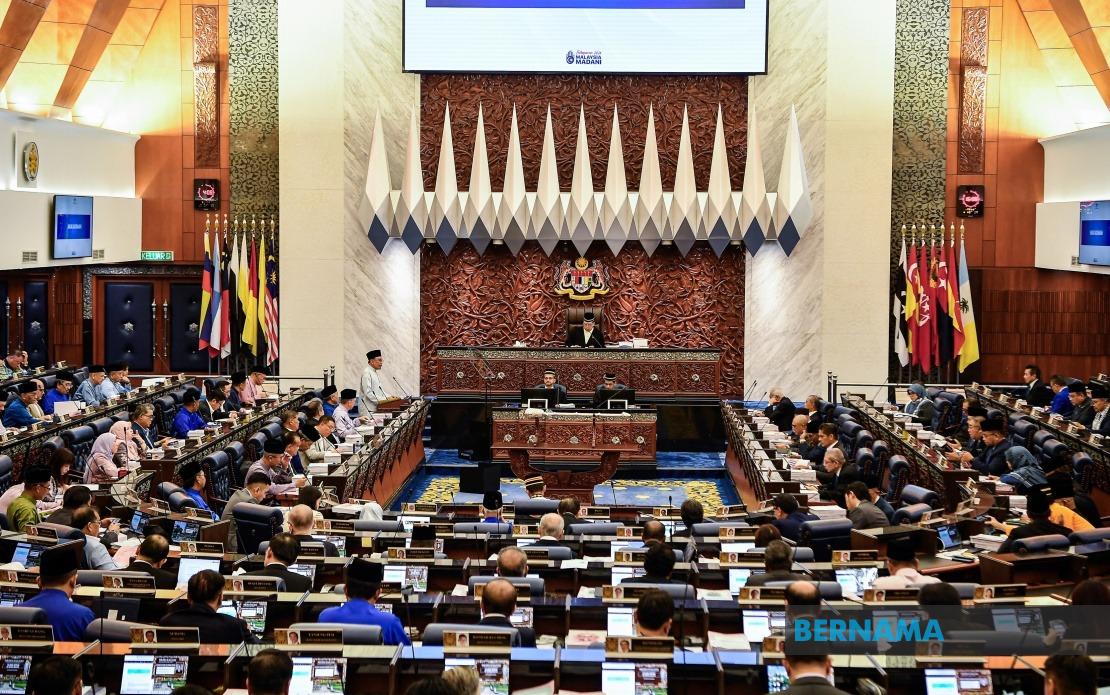
Parliament has endorsed the Cybercrimes Bill 2026, marking a significant legislative step in Malaysia's approach to combating sophisticated digital crimes. The lower house passed the comprehensive 61-clause measure on July 1 through a voice vote, with contributions from 48 lawmakers representing both government and opposition benches. The legislation specifically targets emerging threats including deepfakes—artificially generated or manipulated video and audio content—and the non-consensual distribution of digitally altered intimate images created using advanced computer technology, offences that have become increasingly prevalent across Southeast Asia as deepfake capabilities grow more accessible and convincing.
Deputy Prime Minister Datuk Seri Dr Ahmad Zahid Hamidi provided crucial clarification during the bill's conclusion, addressing concerns that had likely emerged during parliamentary debate. He emphasised that the new law does not concentrate unchecked power in the hands of law enforcement or security agencies, nor does it supersede existing legislation such as the Official Secrets Act 1972. Rather, the framework incorporates multiple layers of oversight and procedural requirements designed to maintain equilibrium between investigative necessity and individual privacy rights. This distinction is particularly important given Malaysia's history of cybersecurity and surveillance legislation, where questions about executive power and civil liberties have periodically sparked public debate.
The mechanism for accessing computer systems and extracting digital data contains built-in restrictions that require authorities to follow prescribed legal channels rather than acting on discretionary whim. The Deputy Prime Minister articulated that data preservation notices—the initial step in securing evidence—cannot be issued casually but only when investigating officers can demonstrate reasonable grounds that the information is genuinely needed for their inquiry. Additionally, those officers must establish that there exists a genuine risk of the data being irreversibly deleted, modified, or destroyed without swift intervention. This standard mirrors approaches found in comparable jurisdictions and reflects international best practices in digital investigation, ensuring that emergency powers are not deployed as routine investigative tools.
When it comes to actually disclosing or accessing computer data held by private parties or organisations, the Deputy Prime Minister stressed that disclosure can occur exclusively through formal written notice directed to the person or entity controlling that data. This requirement creates an administrative record and prevents informal or verbal demands that could facilitate abuse. Furthermore, such disclosure demands remain contingent upon the investigation itself meeting lawful standards—meaning authorities cannot use data access provisions to pursue inquiries that lack proper legal foundation. For Malaysian businesses and technology companies, this provision offers some predictability about government access requests, though implementation by individual agencies will ultimately determine whether the safeguards function as intended.
The passage of this legislation arrives at a moment when deepfakes and manipulated media pose mounting challenges across the region. Southeast Asian nations have grappled with deepfake-generated misinformation during elections, viral non-consensual intimate imagery that has devastated individuals' lives, and coordinated disinformation campaigns exploiting synthetic media. Thailand, Indonesia, and the Philippines have each confronted high-profile cases involving fake videos and altered intimate images shared without consent. By establishing dedicated criminal offences with specific penalties, Malaysia is positioning itself ahead of several neighbouring countries in addressing these harms legislatively, though enforcement capacity and judicial interpretation will ultimately determine effectiveness.
The legislative process itself—with 48 MPs debating the bill across party lines—suggests that cybercrime concerns have achieved sufficient cross-partisan recognition to advance significant legislation. Opposition participation in debate, rather than blanket resistance, indicates that while some lawmakers may harbour reservations about specific provisions, the general principle of criminalising deepfakes and non-consensual intimate imagery enjoyed broad support. This consensus reflects evolving international norms around digital harm and victim protection, areas where Malaysia's multicultural society and significant digital economy create both vulnerability to these crimes and motivation to address them comprehensively.
For Malaysian technology companies, content platforms, and service providers, the new law will likely necessitate policy adjustments and compliance review. While the legislation targets criminal conduct rather than regulating platforms themselves, companies may face requests to remove or report content falling within the law's scope, and they will need to understand their obligations regarding data preservation and law enforcement cooperation. The interplay between the Cybercrimes Bill 2026 and existing regulations including the Communications and Multimedia Act 1998 will require careful navigation, as companies balance compliance with different statutory regimes.
The safeguards emphasised by the Deputy Prime Minister assume particular importance given Malaysia's experience with emergency powers and security legislation. The Personal Data Protection Act 2010 established baseline privacy protections, yet cybercrime investigations can create tension between data privacy and law enforcement needs. By explicitly requiring written notice, establishing reasonable-grounds standards for data preservation, and subjecting the entire framework to checks and balances, the legislation attempts to thread this needle. However, the practical application will depend on how investigating officers, prosecutors, and ultimately courts interpret and implement these procedural requirements.
Regional implications merit consideration as well. Malaysia's comprehensive cybercrimes legislation may influence neighbouring countries' own policy discussions, particularly regarding deepfake criminalisation. Singapore, for instance, has addressed some harmful deepfake content through existing statutes, while other Southeast Asian nations continue developing responses. Malaysia's approach—targeting the creation and distribution of manipulated intimate imagery with explicit criminal penalties—provides a model that combines harm-focused legislation with procedural protections, potentially informing regional harmonisation efforts as digital crime increasingly transcends borders.
Implementation and enforcement will determine whether the Cybercrimes Bill 2026 successfully protects Malaysians from emerging digital harms while respecting fundamental freedoms. The legislation's foundation in parliamentary consensus and its incorporation of safeguards suggest a measured approach, yet sustained attention to how authorities exercise these powers will be necessary. As deepfake technology becomes more sophisticated and accessible, this law represents both Malaysia's commitment to addressing digital crime and the ongoing challenge of maintaining balance between security and liberty in an increasingly connected society.

