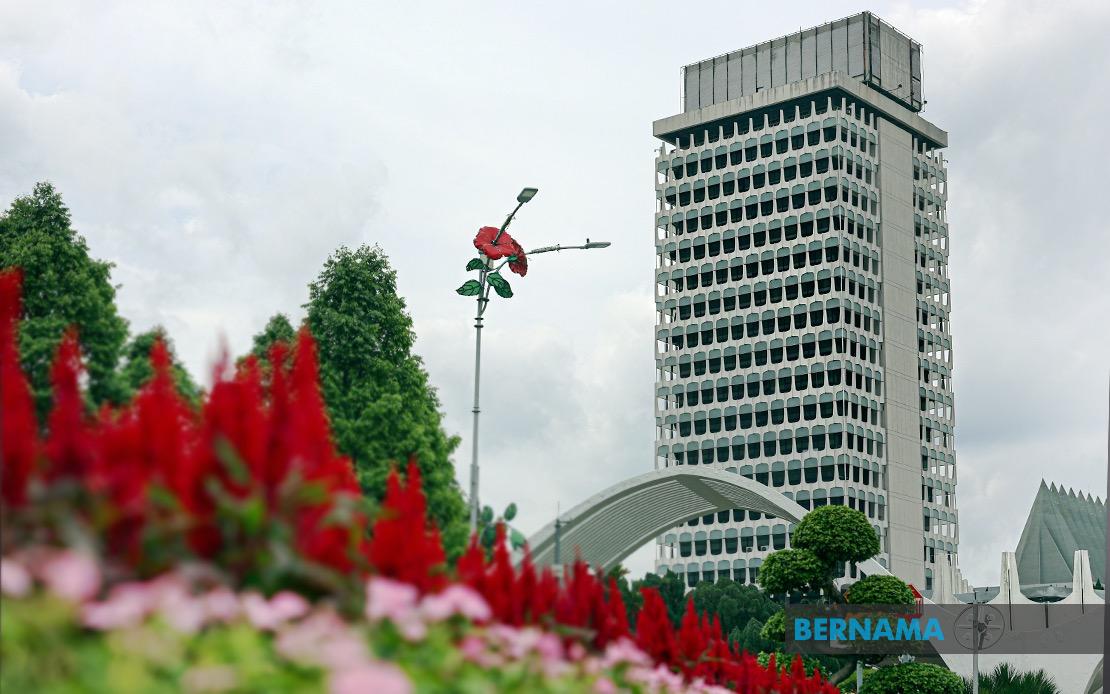
Malaysia's Parliament convened on July 15 with a packed agenda addressing persistent infrastructure failures and the mounting budgetary pressures facing the nation as regional geopolitics increasingly shapes domestic fiscal planning. Among the day's priorities were questions targeting inadequacies in the country's mobile network coverage, the unquantified impact of West Asian conflict on fuel subsidy spending, and measures to support informal sector workers seeking home financing—a slate of concerns reflecting both infrastructure challenges and the evolving nature of economic vulnerability in the modern Malaysian economy.
The spotlight fell first on mobile connectivity gaps that have become an acute frustration for users nationwide. Datuk Anyi Ngau, representing Baram under the GPS banner, pressed the Communications Minister for details on the Malaysian Communications and Multimedia Commission's (MCMC) strategic response to a paradoxical problem: consumers experiencing complete signal loss despite their devices displaying full signal strength. This phenomenon, which affects productivity, emergency communications, and daily commerce, points to a deeper systemic issue within Malaysia's telecommunications infrastructure that extends beyond simple coverage mapping. The problem underscores how rapid urbanisation and rising mobile data demands have outpaced network capacity in many areas, leaving service providers unable to translate theoretical coverage into reliable practical access.
The geopolitical dimension of Malaysia's economic outlook emerged sharply in parliamentary questioning about fuel subsidy trajectories. Mohd Syahir Che Sulaiman, the Bachok MP from Perikatan Nasional, sought the Finance Minister's most recent assessment of how the West Asia conflict has reshuffled calculations around subsidy expenditure. This line of questioning reflects genuine uncertainty in Treasury projections; crude oil price volatility linked to regional tensions directly cascades into Malaysia's subsidy commitments, which have already consumed substantial portions of the annual budget. Should Middle Eastern instability persist or intensify, subsidy costs could spike unpredictably, forcing hard choices about whether this year's fiscal deficit target—a politically sensitive metric—remains achievable without painful cuts elsewhere.
The confluence of geopolitical shock and subsidy planning highlights a structural vulnerability in Malaysia's fiscal framework. Unlike some neighbours with sovereign wealth funds or energy export revenues that can absorb shocks, Malaysia's reliance on subsidies to manage domestic fuel and energy prices creates a transmission mechanism for international price volatility directly into government finances. Parliamentary scrutiny of this link suggests growing awareness that subsidy policy cannot be divorced from regional stability, a realisation that may shape future discussions about gradual subsidy reform or hedging strategies.
A third strand of questioning centred on financial inclusion for Malaysia's burgeoning informal workforce. Jamaludin Yahya, the Pasir Salak representative, raised the structural barrier facing self-employed individuals, street traders, hawkers, and gig economy workers: the inability to access home financing because conventional lenders demand fixed salary documentation that informal workers cannot provide. This gap in the financial system reflects an institutional lag; as Malaysia's informal sector has grown—now encompassing delivery riders, online sellers, and service providers—traditional lending criteria have become obsolete. The question implicitly calls for innovation in lending models, such as income verification through alternative data or asset-based lending, to unlock housing finance for workers outside formal employment structures.
Gender-focused governance also featured prominently. Yeo Bee Yin, the Puchong legislator from the Pakatan Harapan coalition, asked the Women, Family and Community Development Minister whether the government possesses adequate regulatory frameworks for confinement centres—traditional postpartum care facilities that operate in a legal grey zone. Her question signals parliamentary concern that these establishments, which serve vulnerable mothers and newborns, operate without standardised hygiene, safety, or professional standards. Establishing a national regulatory framework would represent a significant step toward professionalising maternal care outside hospital settings and protecting women from exploitation or substandard conditions.
The parliamentary session's substantive work centred on advancing two major communications bills. The Communications and Multimedia (Amendment) Bill 2026 and the Malaysian Communications and Multimedia Commission (Amendment) Bill 2026 both progressed to second reading following their initial presentation on July 13. These legislative instruments are likely to reshape the regulatory landscape governing Malaysia's telecommunications sector, though the specific provisions remained undetailed in parliamentary announcements. Second reading debate typically allows broad-ranging discussion of the bills' intent and principles before more granular committee scrutiny.
The timing of these communications bills—coming amid acute parliamentary focus on connectivity failures—suggests the government views legislative reform as necessary to address infrastructure and service delivery shortcomings. Whether the bills introduce new enforcement mechanisms, expand MCMC's authority, or impose stronger service quality obligations remains to be seen, but their advancement indicates recognition that current regulatory structures may insufficient for contemporary telecom challenges.
The parliamentary calendar itself carries significance. The current sitting extended for sixteen days through July 16, providing an extended window for legislative business and ministerial accountability. This duration permits deeper engagement with complex policy matters than shorter sessions allow, enabling more thorough examination of how interconnected challenges—connectivity, fiscal sustainability, financial inclusion, and regulatory adequacy—demand coordinated responses rather than isolated fixes.
For Malaysian stakeholders, the day's parliamentary agenda encapsulated broader questions about institutional readiness to manage twenty-first-century challenges. Can Malaysia's telecommunications infrastructure evolve fast enough to meet rising expectations? How vulnerable is the national budget to geopolitical shocks beyond policymakers' control? Can financial systems adapt to accommodate workers outside traditional employment models? These questions, raised across the parliamentary chamber on July 15, will shape the nation's economic trajectory in the months ahead, particularly as regional instability persists and technological change accelerates. The legislative responses Parliament crafts will signal whether Malaysia's governance institutions can pivot swiftly enough to address contemporary realities.

