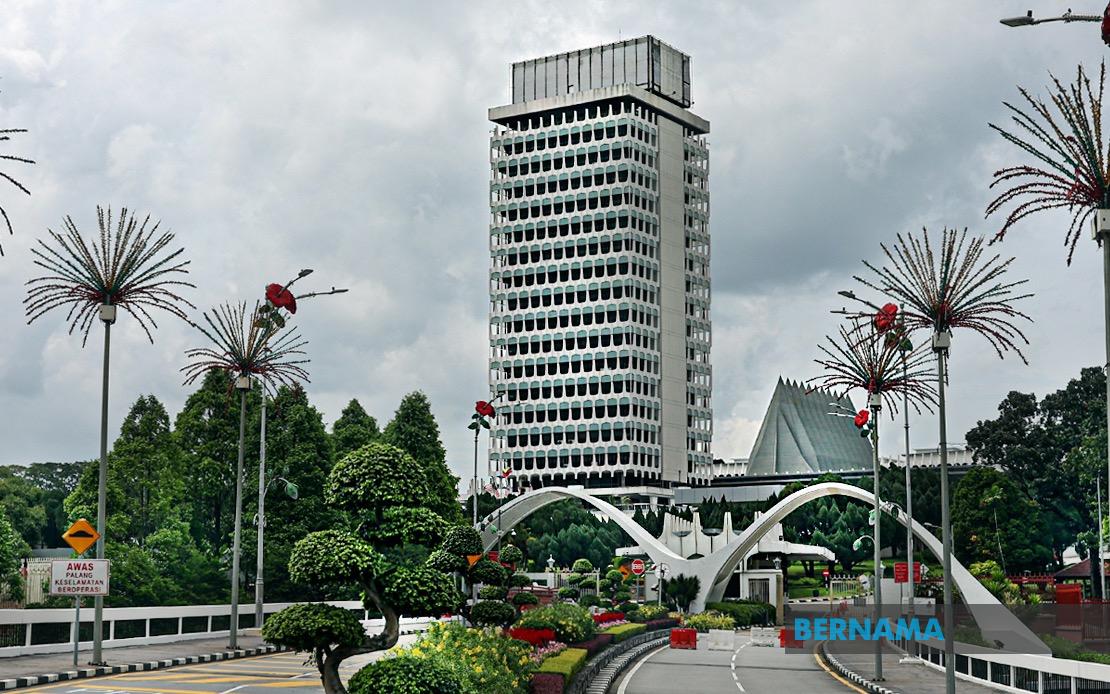
The Dewan Rakyat convened on July 1 with two interconnected economic and institutional issues dominating the parliamentary agenda: structural reforms to Malaysia's Human Rights Commission and the deepening mismatch between official inflation metrics and the mounting expenses ordinary Malaysians face daily. These debates underscore mounting parliamentary pressure on the government to address both governance transparency and household economic resilience, reflecting concerns that statistical indicators may not capture the full severity of financial strain experienced across the country.
At the heart of the institutional discussion is a proposal to strengthen the Human Rights Commission of Malaysia (SUHAKAM) by expanding its revenue streams beyond government appropriations. Teresa Kok Suh Sim, the Seputeh representative from Pakatan Harapan, pressed the Prime Minister on whether SUHAKAM could develop training programmes and educational courses as alternative income sources. The underlying rationale reflects a broader principle in independent oversight institutions worldwide: financial autonomy supports operational independence. When human rights commissions rely entirely on government budgets, their investigative and enforcement capacity can be constrained by political considerations. The proposed amendment would empower SUHAKAM to pursue fee-based training in areas such as workplace rights, anti-discrimination compliance, and governance ethics—generating revenue while strengthening civil society capacity.
This initiative gains significance given SUHAKAM's expanding mandate in an era of rapid technological change, workplace transformation, and evolving human rights challenges. A diversified funding model would insulate the commission from budget cuts that might otherwise limit investigations into alleged state or corporate human rights violations. For Malaysian stakeholders invested in accountability mechanisms, the amendment represents a modest but meaningful step toward institutional resilience. It also positions SUHAKAM similarly to independent commissions in regional democracies that blend government funding with earned revenue, creating a sustainable operational model.
Paralleling institutional concerns, Mohd Syahir Che Sulaiman from Perikatan Nasional's Bachok constituency raised a question that resonates acutely with voters across income brackets: why does the government's official inflation rate diverge so sharply from what families experience at the supermarket, petrol pump, and rental market? This disconnect has become a flashpoint in Malaysian public discourse. While government statistics may record inflation at a particular percentage, household surveys consistently reveal that food costs, transportation, and housing—the largest budget items for most families—have climbed far faster than headline figures suggest. The question pressed the Economy Minister to clarify not only how the gap is assessed, but what mechanisms ensure that national economic growth translates into genuine improvements in purchasing power rather than merely enriching asset holders.
The cost-of-living question strikes at a credibility challenge facing many governments in the region. When citizens perceive that official statistics contradict their monthly shopping bills, trust in government data erodes, and so does confidence in policy effectiveness. Malaysia's household debt levels—among the highest in Southeast Asia relative to income—compound this anxiety. Rising living costs without proportional wage increases force families deeper into borrowing, creating systemic vulnerabilities. By pressing the Economy Minister on this gap, Syahir raised a question that transcends partisan politics: whether growth measures account for distributional inequality, and whether policy responses address the real financial pressures constraining household wellbeing.
A third parliamentary inquiry, from V. Ganabatirau representing Klang, examined the stewardship of environmental assets critical to urban resilience. The question concerning flood retention ponds in Kuala Lumpur and their conversion or transfer reflects rising concern about land-use decisions in rapidly urbanising areas. Flood mitigation infrastructure, particularly retention ponds designed to absorb excess water during monsoon seasons, faces mounting pressure from developers and municipal authorities seeking to repurpose valuable land. In an era of intensifying climate impacts and urban flooding, the parliamentary focus on reviewing such transfers indicates growing recognition that short-term land revenue cannot justify compromising long-term flood defences.
Educational priorities also featured prominently. Datuk Dr Ku Abd Rahman Ku Ismail inquired into the distribution of students across STEM and non-STEM disciplines in Malaysian higher education, requesting specific targets for engineering graduates needed to support high-technology industrialisation. This reflects a strategic anxiety shared across Southeast Asia: whether education systems are calibrated to produce the skilled workforce required for advanced manufacturing, semiconductor industries, and technology services that anchor regional competitiveness. Malaysia's aspirations to move up the global value chain depend substantially on expanding STEM capacity, yet the question implies current ratios may not align with industrial demand, signalling potential skills gaps in critical sectors.
The parliamentary calendar also scheduled introduction of the Cybercrime Bill 2026 for second reading, marking progression of a legislative framework governing digital security, fraud, and online governance. Cybercrime legislation remains contentious across democracies, balancing legitimate law enforcement needs against freedoms of expression and digital privacy. The timing of this bill's advancement reflects both Malaysia's commitment to digital governance and the technical complexity legislators must navigate in regulating a rapidly evolving threat landscape.
The Second Meeting of the Dewan Rakyat's Fifth Session of the 15th Parliament will extend through July 16, providing 16 sitting days for deliberation on these multifaceted issues. The agenda reflects parliament's engagement with challenges spanning institutional reform, economic inequality, environmental stewardship, skills development, and digital governance—a portfolio suggesting that Malaysian legislators recognise the interconnected nature of contemporary policymaking, where human rights oversight, living standards, climate adaptation, and economic dynamism cannot be addressed in isolation.

