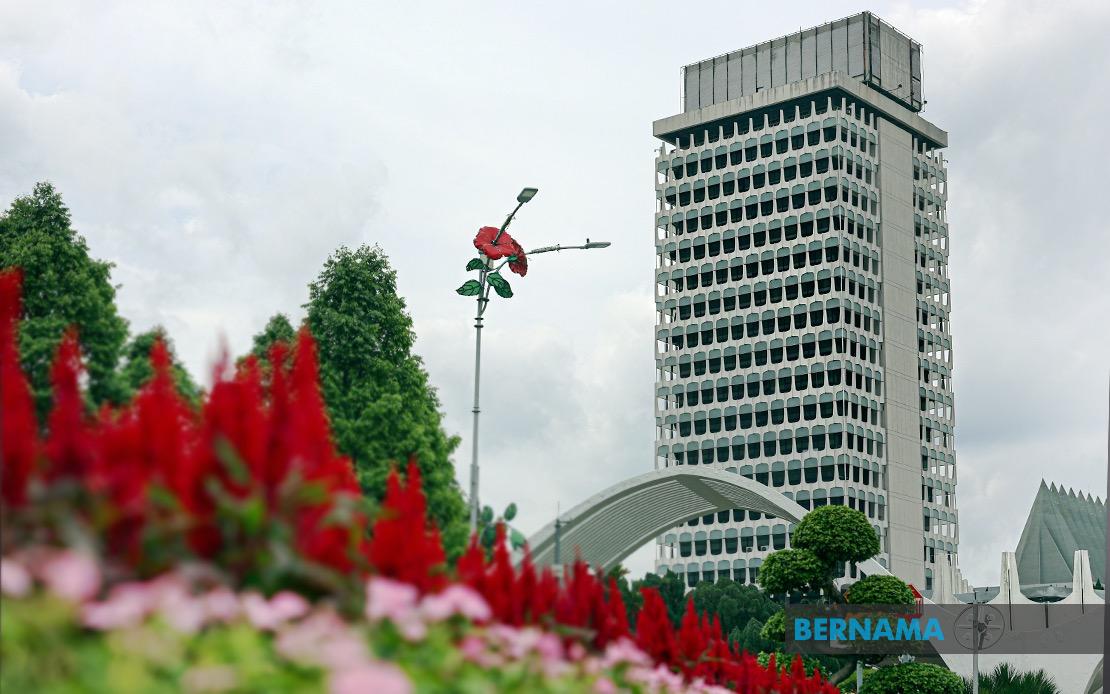
Malaysia's Parliament reconvenes today to grapple with several pressing national concerns, chief among them the unresolved financial legacy of 1Malaysia Development Bhd and the government's commitment to accelerating renewable energy deployment across the country. The Dewan Rakyat sitting, which will run for 16 days until July 16, brings together lawmakers to scrutinise ministerial performance and advance legislative business on matters ranging from agricultural regulation to vulnerable population welfare.
The 1MDB scandal, which emerged as one of the largest corruption cases in global history, continues to cast a long shadow over Malaysian public finances and institutional credibility. Chong Chieng Jen, the Stampin member for Pakatan Harapan, has tabled questions during today's oral answers session demanding the Finance Minister provide comprehensive figures on the fund's outstanding debt obligations and the cumulative repayments made to creditors since the scandal's exposure. Beyond the mechanics of debt servicing, Chong seeks clarity on the total quantum of misappropriated assets and funds that authorities have recovered through legal action, investigations and asset seizures. These questions reflect ongoing parliamentary interest in confirming whether Malaysia's balance sheet continues to absorb 1MDB liabilities and the extent to which earlier misappropriation has been remedied through recovery efforts.
The Energy Transition and Water Transformation Ministry faces separate parliamentary pressure to demonstrate tangible progress toward national renewable energy targets. Datuk Seri Dr Ronald Kiandee, representing Beluran under Perikatan Nasional, will interrogate the minister on how cross-sector partnerships—involving government agencies, private utilities, technology firms and financial institutions—are translating into actual renewable capacity additions. The question zeroes in on quantifiable investments realised and specific renewable projects commissioned to date, signalling parliamentary appetite for evidence-based assessment rather than aspirational targets. Kiandee's questions also touch on implementation bottlenecks, recognising that Malaysia's energy transition ambitions face real obstacles spanning land acquisition, grid infrastructure modernisation, supply chain constraints and financing architecture. For Southeast Asian observers, Malaysia's progress here carries regional significance, as ASEAN's energy transition trajectory depends partly on large economies demonstrating feasible decarbonisation pathways.
A third parliamentary concern reflects growing unease about homelessness and welfare gaps affecting elderly citizens and persons with disabilities. Fong Kui Lun, Bukit Bintang's Pakatan Harapan representative, has requested the Women, Family and Community Development Ministry supply updated data on recorded homelessness among senior citizens and disabled populations across urban centres during the current year. Homelessness among vulnerable groups represents both a humanitarian challenge and a policy failure indicator, suggesting that existing social safety nets and community care infrastructure have not evolved sufficiently to match demographic changes and urban pressures. Fong's supplementary questions probe the ministry's strategic capacity to expand shelters, institutional care facilities and preventive social intervention programmes. This parliamentary scrutiny underscores a recognition that Malaysia's welfare system requires recalibration to address the intersection of ageing, disability and urban poverty.
Parliament will also receive a briefing from the chairman of the Parliamentary Special Select Committee on Women, Children and Community Development detailing enhancements to Malaysia's Integrated One Stop Crisis Centre services. These centres represent a policy attempt to consolidate domestic violence, child protection and community support functions under single operational umbrellas, reducing fragmentation and improving victim access to justice, psychological support and emergency shelter. The briefing offers lawmakers an opportunity to assess whether integration initiatives are delivering their intended efficiency gains and whether resource allocation to these centres reflects the scale of crisis demand.
On the legislative agenda, the Agriculture and Food Security Minister will table the Control of Padi and Rice (Amendment) Bill 2026 for its second reading, advancing parliamentary consideration of revisions to the regulatory framework governing Malaysia's strategic rice and padi sectors. Agricultural legislation intersects with food security doctrine, farmer incomes and rural development priorities, making parliamentary deliberation on amendment bills substantive rather than procedural. The timing of this bill reflects the government's continued focus on stabilising domestic rice supply chains and supporting smallholder paddy cultivators, particularly important given global food market volatility.
The parliamentary sitting arrives amid broader Southeast Asian engagement with energy transition imperatives, governance accountability and inclusive social protection. Malaysia's Dewan Rakyat serves as a forum where these regional preoccupations meet domestic urgency, with lawmakers probing ministry capacity to deliver on renewable energy commitments while simultaneously addressing welfare system deficiencies exposed by rapid urbanisation and demographic change. The 1MDB questioning persists because unresolved financial liabilities undermine public confidence in institutional governance, while energy transition scrutiny reflects ASEAN-wide recognition that decarbonisation requires demonstrable, sequenced investment and policy coherence rather than rhetorical targets.

