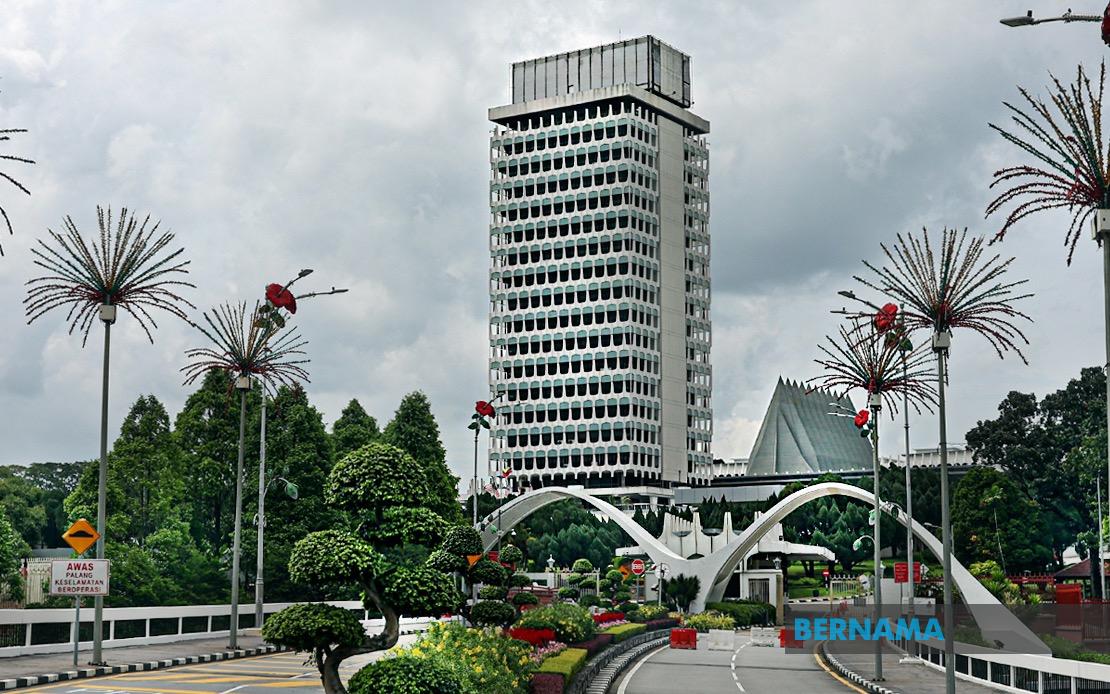
The Dewan Rakyat convenes today for what promises to be a substantive session addressing two issues of significant public concern: the financing and execution of a major infrastructure project affecting East Coast connectivity, and intensifying government action against the proliferation of harmful vaping products among young people. The parliamentary agenda reflects mounting pressure on multiple fronts as Malaysia grapples with the balance between development imperatives and public health safeguards.
Central to proceedings is the inquiry by Wan Hassan Mohd Ramli from Dungun concerning the proposed East Coast Expressway Phase 3, commonly referred to as LPT3. The legislator will press the Works Minister on the government's underlying rationale for adopting a public-private partnership framework rather than conventional public funding mechanisms. This question cuts to the heart of a significant policy choice, as the PPP model typically introduces toll mechanisms that fund private investor returns alongside infrastructure development. The inquiry specifically targets clarification on how toll rates will be structured under this arrangement and what timeline the government anticipates for project rollout, matters of direct relevance to commuters and businesses across Peninsular Malaysia's eastern flank.
The LPT3 represents a continuation of Malaysia's expressway network expansion strategy, designed to enhance transportation efficiency and economic connectivity in the East Coast region. However, the shift towards PPP financing reflects contemporary budgetary constraints facing the federal government, necessitating private capital participation. Legislators from opposition and coalition benches alike have grown increasingly attentive to toll implications, as toll-funded infrastructure decisions accumulate across the national transport network. The Works Ministry's response will likely illuminate whether the government perceives this model as essential to project viability or simply as a fiscally convenient option.
Parallel to infrastructure matters, the parliament will examine youth protection through questioning directed at the Home Minister. Datuk Mas Ermieyati Samsudin from Masjid Tanah seeks elaboration on enforcement strategies designed to dismantle syndicates actively marketing vape products to teenagers and school populations. This inquiry underscores the evolving nature of challenges confronting Malaysia's law enforcement apparatus, as illicit distribution networks have become increasingly sophisticated in target marketing. The syndicates in question operate across multiple channels, from physical retail locations to digital platforms, making enforcement multi-faceted and demanding.
The vape issue has emerged as a leading public health concern across Southeast Asia, with Malaysia experiencing particularly acute challenges given its youthful demographic profile. Unlike traditional tobacco regulation, vape products occupy a regulatory grey zone in many jurisdictions, with enforcement hampered by unclear legal classifications and rapid innovation in product formulation. The Home Ministry's response to Mas Ermieyati's question will signal whether Malaysia is preparing to escalate penalties, expand investigative capacity, or implement novel preventive strategies targeting youth marketing specifically.
A third parliamentary focus addresses border efficiency, with P. Prabakaran from Batu questioning the Home Minister on measures to alleviate persistent congestion at Malaysia's international entry points. Immigration clearance delays have become notorious pain points at major air and land borders, contributing to traveller frustration and potentially affecting Malaysia's competitive positioning in regional tourism and business sectors. Prabakaran's question reflects constituent concerns in the Klang Valley, where proximity to Kuala Lumpur International Airport makes border operations a pertinent local issue.
Digital healthcare innovation enters the parliamentary discourse through Salamiah Mohd Nor's inquiry to the Health Minister regarding the effectiveness of initiatives such as MySejahtera and electronic health record systems. These digital platforms were substantially expanded during the Covid-19 pandemic and now function as integral components of Malaysia's public healthcare infrastructure. The question probes whether digitisation has genuinely translated to reduced congestion in government hospital facilities or whether administrative bottlenecks persist despite technological advancement. The response will indicate whether the Health Ministry perceives digital tools as achieving their intended efficiency gains or whether further systemic reforms are required.
Beyond individual questions, the Dewan Rakyat will progress to the winding-up debate on the Human Rights Commission of Malaysia's 2024 Annual Report and Financial Statements. This debate provides parliamentary scrutiny of the national human rights body's operations and fiscal management, traditionally an occasion for ministers to address oversight concerns and outline the government's commitment to human rights frameworks. The SUHAKAM debate will potentially encompass questions surrounding press freedom, indigenous rights, migrant worker protections, and other priority areas reflected in the commission's recent documentation.
The parliamentary session is scheduled to extend across 16 sitting days, concluding on July 16, providing ample time for comprehensive debate on these multifaceted policy areas. The agenda distribution suggests parliamentary leadership has prioritised balancing infrastructure development scrutiny with social welfare and public health oversight, reflecting competing legislative priorities in contemporary Malaysia. The questions raised today will generate ministerial responses that shape public understanding of government direction on toll financing, youth protection, border management, and healthcare digitalisation.
These parliamentary deliberations occur within Malaysia's broader governance context, where balancing fiscal prudence with public service delivery remains perpetually contested. The LPT3 PPP question exemplifies this tension: private capital reduces immediate government expenditure but introduces long-term toll burdens on users. Similarly, the vape enforcement inquiry reflects society's expectation that government protect vulnerable populations from commercial exploitation, while the digital healthcare question probes whether technological solutions adequately address structural capacity constraints. Collectively, today's parliament sitting will illuminate governmental priorities and parliamentary accountability mechanisms on issues directly affecting Malaysian livelihoods and wellbeing.

