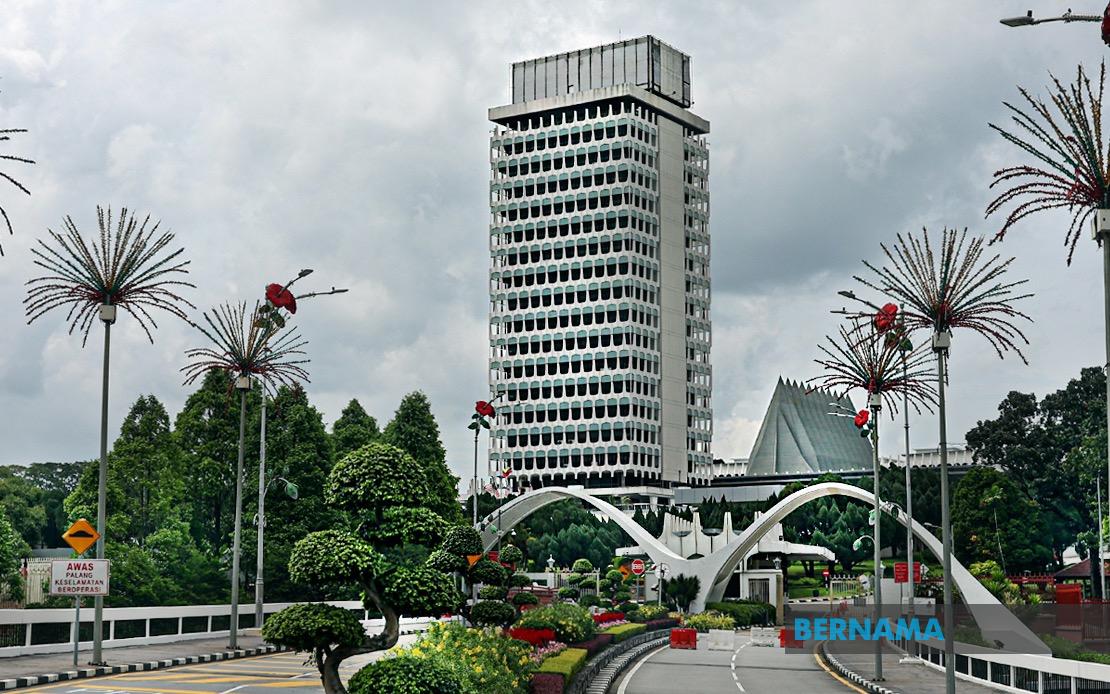
Parliament will convene today to examine Malaysia's diplomatic approach to a significant Middle East development, as lawmakers prepare to question government ministers on the country's response to a potential understanding between Washington and Tehran aimed at resolving military tensions in West Asia. The session, beginning at 10 am, reflects growing parliamentary interest in how Malaysia intends to navigate the complex geopolitical implications of regional peace efforts and what concrete measures the administration plans to pursue in support of lasting stability.
Backed by Dewan Rakyat representation from the ruling coalition, Datuk Mohd Isam Mohd Isa of Tampin will lead parliamentary scrutiny into the Foreign Ministry's position on the proposed memorandum of understanding. His questioning will seek clarity on Malaysia's broader strategic interests and the specific steps authorities plan to implement to safeguard peace in a region where Malaysian economic and security interests remain substantial. The question represents Parliament's constitutional duty to hold the executive accountable for international commitments and regional engagement.
Malaysia's role in West Asian affairs carries particular significance given the nation's significant Muslim population, substantial trade relationships across the region, and historical involvement in international peace dialogues. The government's response will likely address how the country intends to leverage multilateral forums and bilateral relationships to support de-escalation efforts while protecting Malaysian interests in maintaining regional stability and ensuring uninterrupted commerce through crucial shipping lanes.
Parallel to international affairs, lawmakers will scrutinise domestic economic initiatives, with Datuk Rosol Wahid from Hulu Terengganu pressing the Ministry of Domestic Trade and Cost of Living for a comprehensive update on MADANI Mart's expansion trajectory. Specifically, he will seek precise figures on the number of operating outlets, pending applications from prospective entrepreneurs, and details regarding participating business operators. This line of questioning reflects Parliament's increasing focus on government retail programmes designed to provide affordable goods directly to consumers while supporting small and medium enterprises.
The MADANI Mart initiative represents a key plank of government policy targeting cost-of-living pressures affecting ordinary Malaysians. Parliamentary scrutiny of implementation metrics demonstrates lawmakers' commitment to ensuring such programmes translate policy intent into tangible community benefits. Rosol's questions will likely expose any bottlenecks hindering outlet expansion or reveal whether entrepreneurial uptake has met government projections, providing important feedback for policy refinement.
Another significant concern commanding parliamentary attention involves the escalating threat of synthetic narcotics, particularly fentanyl, which has emerged as a critical public health challenge across Southeast Asia. Khoo Poay Tiong, representing Kota Melaka, will demand from the Home Ministry comprehensive statistics on synthetic drug addiction cases recorded since 2023 and details of the government's countermeasures. This enquiry underscores Parliament's growing alarm over narcotics trends and the effectiveness of current enforcement and rehabilitation strategies.
The rising prevalence of fentanyl and other synthetic substances represents an unprecedented challenge to Malaysian public health and law enforcement, with the drugs' extreme potency and relatively low detection costs making them increasingly attractive to criminal networks throughout Southeast Asia. Parliamentary questioning serves to ensure security agencies prioritise resources appropriately and that rehabilitation services receive adequate support, while also examining whether current drug scheduling and border controls prove sufficiently robust.
Investment and trade arrangements between Malaysia and the United States will receive parliamentary attention as Datuk Seri Hamzah Zainudin of Larut questions the Minister of Investment, Trade and Industry regarding the latest developments in implementing the Agreement on Reciprocal Trade between both nations. This line of questioning reflects parliament's interest in ensuring commercial arrangements serve Malaysian economic interests while maintaining fair competitive conditions for domestic industries and workers.
Beyond the question-and-answer session, Parliament will advance three legislative proposals toward enactment. The Prisons Amendment Bill 2026 will undergo first reading, potentially signalling government intent to modernise correctional systems and address operational challenges within Malaysia's penal institutions. Simultaneously, two competition law amendments—the Competition Amendment Bill 2026 and the Competition Commission Amendment Bill 2026—will commence their legislative journey, suggesting the government's commitment to strengthening Malaysia's competition framework and enhancing the regulatory authority's enforcement capabilities.
These legislative proposals carry substantial implications for Malaysia's economic competitiveness and governance standards. Competition law amendments may address emerging market challenges, digital economy concerns, or enforcement gaps identified in previous cases, while penal reforms could modernise rehabilitation approaches or improve facility standards. Together with the day's parliamentary questions, these legislative initiatives demonstrate the government's multifaceted agenda spanning foreign relations, domestic commerce, public health, and institutional reform, each reflecting distinct but interconnected priorities shaping Malaysia's development trajectory.

