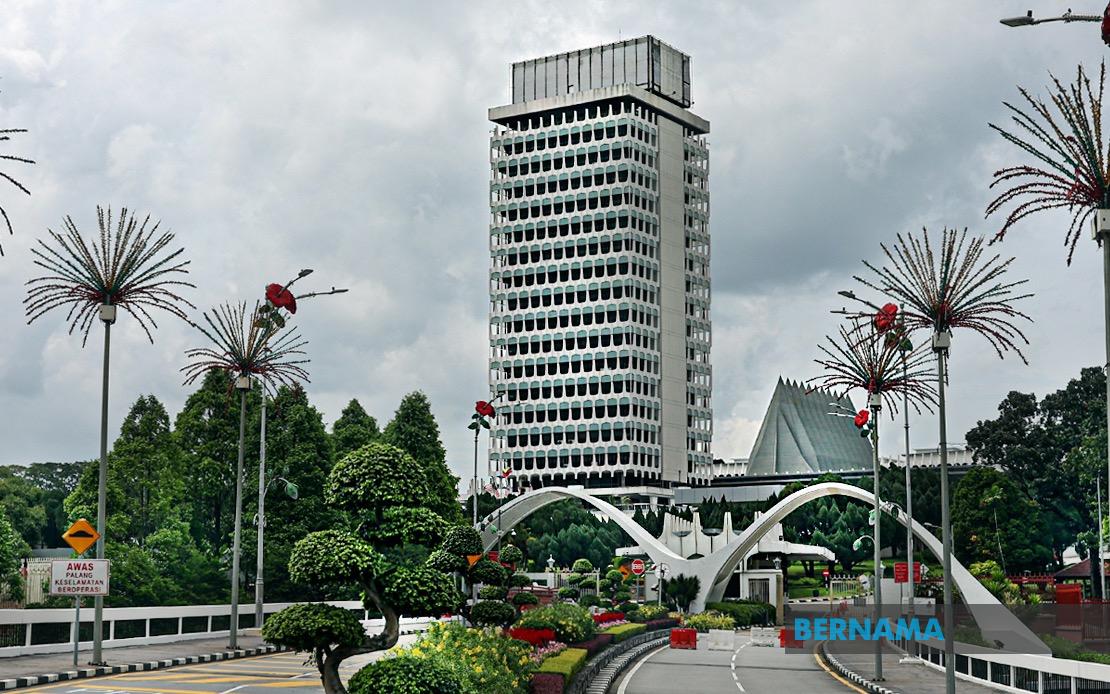
Parliament is set to engage in substantive debate on three significant policy areas affecting Malaysian society, ranging from digital regulation to student welfare and economic resilience. The Dewan Rakyat's proceedings on July 2 signal growing parliamentary attention to how the government is operationalising recent legislative frameworks and responding to emerging challenges in education and commerce.
The Online Safety Act 2025 emerges as a focal point of scrutiny, with Rodziah Ismail from Ampang raising detailed questions about the regulatory infrastructure supporting this landmark legislation. The act itself represents Malaysia's attempt to balance digital freedom with child protection and platform accountability, but its success ultimately depends on subsidiary instruments—the regulations, guidelines and frameworks that translate legislative intent into practical enforcement mechanisms. Rodziah seeks clarification on ten such instruments currently under development, requesting Parliament be informed of their regulatory objectives, specific provisions, operational scope and present status. This line of questioning reflects legitimate concern that comprehensive legislation without timely implementation tools risks becoming symbolic rather than effective.
The substance of these subsidiary instruments carries weight far beyond bureaucratic procedure. They will determine how social media platforms operate within Malaysia, what content moderation responsibilities they bear, and how Malaysian authorities can act when online harm occurs. For ordinary citizens, these rules will shape what protection children receive online, how quickly authorities can respond to cybercrime, and what privacy safeguards exist. For technology companies, clarity on these instruments is essential for compliance planning. The delay or ambiguity in publishing these tools has already generated uncertainty in the digital commerce and media sectors.
School safety constitutes the second major parliamentary concern, with Roslan Hashim directing the Education Minister to account for pupil security across the national school system. The question probes three distinct threat categories: accidents resulting from inadequate facilities or safety protocols, bullying in its various forms including cyberbullying, and broader security threats. Malaysia's schools, which collectively educate millions of children daily, face real pressures in all three areas. Recent incidents involving school bullying and inadequate safety infrastructure have raised parental anxiety and prompted calls for systematic improvement. Roslan's intervention suggests Parliament recognises that school safety cannot be treated as a peripheral administrative matter but requires coordinated policy attention and adequate resource allocation.
The economic dimensions of the West Asia crisis receive parliamentary attention through questions regarding support for micro-entrepreneurs and small traders. Datuk Andi Muhammad Suryady Bandy directs the Finance Minister to detail measures assisting MSMEs, hawkers and small traders experiencing increased logistics costs and supply chain disruptions stemming from the prolonged regional instability. This focus reflects Malaysia's economic vulnerability to regional instability. Malaysia's trading networks extend deeply into Middle Eastern markets, and disruptions to maritime shipping routes and supply chains reverberate through local economies, particularly affecting small businesses that lack the financial reserves of larger corporations to absorb cost increases. The government's response will indicate whether targeted support programmes exist or whether smaller enterprises face these pressures without dedicated assistance.
Transport infrastructure development intersects with economic growth, prompting Datuk Seri Dr Wee Ka Siong to seek updated information on the Johor Elevated Autonomous Rapid Transit project. The E-ART initiative represents Malaysia's commitment to modernising regional transport in southern Peninsular Malaysia, with implications for economic activity, urban development and cross-border connectivity. Parliamentary oversight of such major infrastructure projects ensures public money is deployed effectively and timelines remain realistic.
Cybersecurity considerations emerge through a different angle via Riduan Rubin's question regarding national risk assessment for implementing a minimum age requirement of 16 for social media use. This query highlights the tension between child protection objectives and cybersecurity implications. Implementing and enforcing age restrictions requires identity verification systems that themselves create data protection challenges and potential security vulnerabilities. The Home Affairs Ministry's assessment of these tradeoffs will inform whether Malaysia moves toward such restrictions and, if so, how implementation safeguards against identity theft and data misuse.
Road safety receives attention through parliamentary questioning of implementation measures by the Works Minister, indicating ongoing concern about traffic fatalities and injury prevention across Malaysian highways and urban areas. This reflects persistent public health challenges where Malaysia's road fatality rates remain concerning relative to other regional economies.
Healthcare policy sustainability in Sabah specifically concerns Datuk Shahelmey Yahya, who seeks assurance that fiscal adjustment policies will not compromise public health infrastructure development and service delivery capacity. This question reflects legitimate state-level concern that national budgetary constraints might disproportionately affect east Malaysian healthcare systems, which already face geographical and capacity challenges distinct from Peninsular providers.
Parliament's agenda also includes second reading of the Competition (Amendment) Bill 2026, demonstrating continued legislative attention to market regulation and consumer protection frameworks. This amendment bill likely addresses competition law gaps identified through recent enforcement experience and evolving market structures in Malaysia's economy.
The 15th Parliament's Fifth Session extends across 16 days until July 16, providing sustained opportunity for detailed parliamentary examination of government policy and implementation effectiveness. This extended sitting reflects the substantial legislative and oversight agenda requiring parliamentary attention during the current term.
Collectively, these parliamentary interventions reveal an institution grappling with digitisation challenges, child welfare imperatives, economic resilience during regional instability, infrastructure development governance, and service delivery equity across Malaysia's diverse regions. The quality of ministerial responses and subsequent follow-up will determine whether Parliament translates these questions into meaningful policy adjustment or whether they remain symbolic exercises in accountability.

