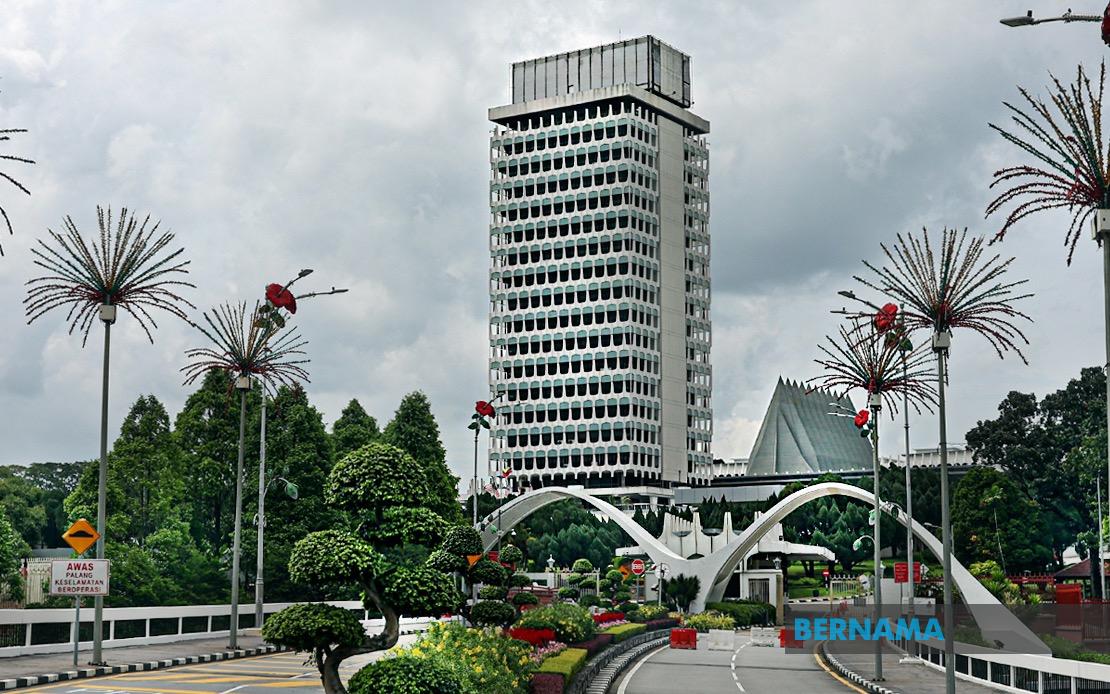
Parliament's third sitting week ended with legislators grappling with economic regulation, agricultural governance, and the contentious issue of media freedoms in the country. Two competition-related bills received approval, while a separate measure targeting rice industry malpractice advanced to first reading, signalling the government's broader regulatory agenda across multiple sectors vulnerable to market distortions and poor practices.
The Competition (Amendment) Bill 2026 and Competition Commission (Amendment) Bill 2026 represent a deliberate effort to modernise enforcement mechanisms as digital commerce transforms traditional markets. These legislative updates acknowledge that Malaysia's existing competition framework requires strengthening to address new market dynamics where anti-competitive behaviour can operate at unprecedented scale and speed. The bills emerged after legislators heard extensive testimony about how unscrupulous operators exploit regulatory gaps, particularly in e-commerce platforms and digital service delivery where traditional oversight proves inadequate.
Equally significant was Tuesday's introduction of the Control of Padi and Rice (Amendment) Bill 2026, reflecting growing alarm within government about corruption and substandard practices plaguing the agricultural sector. By increasing maximum penalties to RM1 million, policymakers aim to make enforcement more credible and dissuasive. This approach acknowledges that minor fines have historically failed to deter sophisticated fraud schemes within the supply chain, from storage through distribution to retail sales. For Malaysian consumers concerned about rice quality and pricing, this legislative movement offers tangible hope that enforcement will become genuinely consequential rather than cosmetic.
Parliament also devoted substantial time to examining the Human Rights Commission of Malaysia (SUHAKAM) Annual Report 2024. The motion's tabling and subsequent debate allowed MPs across the political spectrum to scrutinise the human rights landscape and offer recommendations for improvement. This parliamentary engagement provides democratic accountability for institutions tasked with protecting fundamental freedoms, ensuring they remain responsive to emerging concerns rather than becoming bureaucratic backwaters detached from lived reality.
During Prime Minister Datuk Seri Anwar Ibrahim's question time, Malaysia's declining position in the World Press Freedom Index became unavoidable. Ranked lower this year compared to previous assessments, the country's performance triggered concerns about trajectory and international perception. Rather than dismiss the ranking, Anwar acknowledged that enforcement action against several media organisations factored into the assessment. However, he sought to reframe such actions as narrowly targeted at content touching religion, race, the royal institution, and national security—not as blanket suppression of legitimate journalism or political criticism.
This explanation proved insufficient to quiet sceptics. Anwar's clarification that complaints against journalists from recognised media organisations will now require Malaysian Media Council (MMM) review before triggering investigations or enforcement action suggests previous practice allowed faster administrative responses that critics argued chilled free expression. The establishment of this referral requirement effectively creates a buffer institution, though questions persist about whether the MMM possesses sufficient independence and expertise to provide meaningful protection rather than merely formalising existing outcomes under new procedures.
The microcredit and small business sector also commanded parliamentary attention. Anwar outlined government initiatives to streamline financing access for micro, small and medium enterprises (MSMEs), acknowledging that cumbersome application processes undermine stated policy objectives. This reflects Malaysia's ongoing challenge of aligning institutional capability with economic ambitions, a gap particularly acute for smaller operators lacking sophisticated compliance teams that larger enterprises employ to navigate bureaucratic requirements.
Two Special Select Committees presented reports examining organ donation and transplantation frameworks alongside the alarming trajectory of abuse and violence cases recorded since 2020. The six-year data aggregation reveals systemic patterns that isolated incidents cannot explain, suggesting structural vulnerabilities in family systems, community support mechanisms, or early intervention capabilities. Parliamentary discussion of these findings creates an opportunity—however contested—for genuine policy recalibration, though implementation fidelity remains perpetually uncertain in Malaysian governance.
Military procurement decisions also surfaced during debates, specifically deliberations about selecting a replacement missile system for the Littoral Combat Ships. Such acquisitions carry profound implications for regional security dynamics and defence spending, yet parliamentary discussion remains constrained by classification requirements and executive prerogatives. The public debate's limited nature frustrates those seeking greater transparency in defence investment, particularly given Malaysia's fiscal constraints and competing developmental needs.
Vaping product seizures featuring suspected synthetic drugs generated discussion reflecting broader concerns about substance trafficking networks exploiting Malaysia's geography. The framing of vape products as contraband delivery mechanisms rather than merely consumer goods suggests law enforcement increasingly recognises how criminal entrepreneurs adapt traditional smuggling techniques to exploit regulatory categories.
Healthcare system digitalisation merited attention as public facilities grapple with administrative burdens that divert clinical resources from patient care. This technological modernisation represents neither glamorous nor headline-generating reform, yet affects the daily experience of millions seeking treatment at government hospitals and clinics. Progress here compounds across the system, though depends entirely on implementation quality often determined by understaffed IT units and legacy systems resistant to change.
Deputy Finance Minister Liew Chin Tong's revelation that 1Malaysia Development Berhad liabilities total RM51.4 billion—comprising settled and outstanding amounts—brought the financial consequences of previous misgovernance into stark parliamentary clarity. This burden persists despite earlier settlements, illustrating how fraud's effects outlive investigations and individual prosecutions, imposing permanent fiscal drag on national resources available for genuine development priorities.
Dewan Rakyat Speaker Tan Sri Dr Johari Abdul's reminder about health screenings following a lawmaker's cardiac hospitalisation carried symbolic weight beyond its surface meaning. The admonition implicitly acknowledged parliament's physically and mentally demanding schedule, where legislative workloads increasingly strain even relatively younger members. With one week remaining before the Fifth Session's July 16 conclusion, the chamber faces sustained pressure to complete remaining business, ensuring this week captured the essential business requiring parliamentary sanction and oversight.

