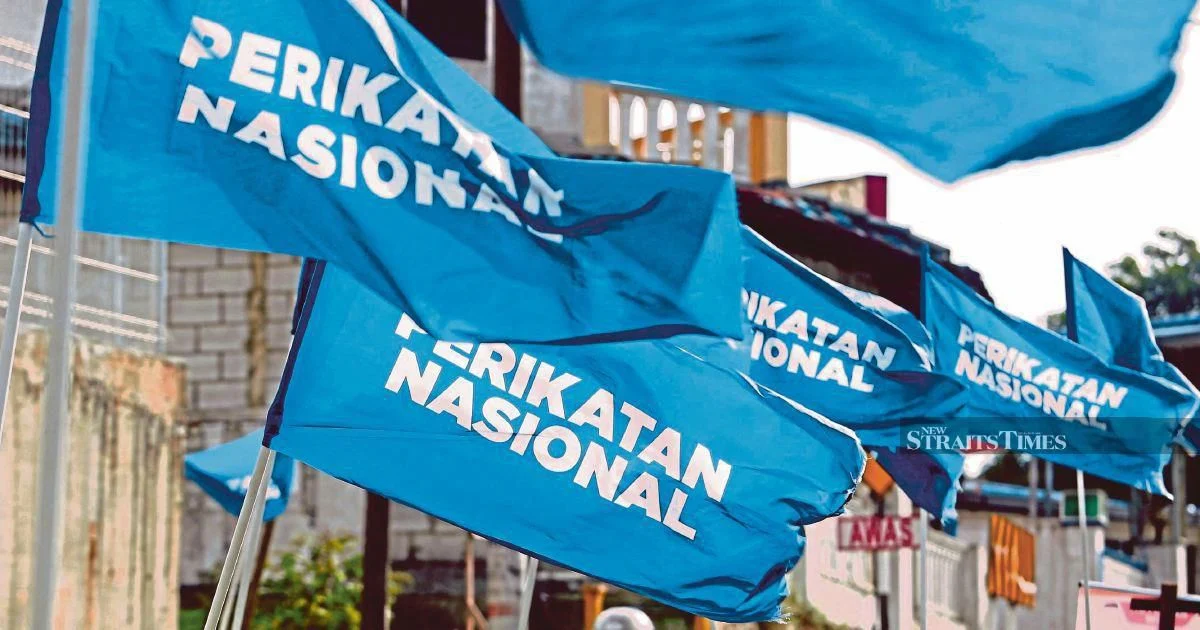
Tensions within the Perikatan Nasional coalition have deepened as Pas questioned whether Bersatu possesses the authority to use the alliance's logo for the coming Johor and Negri Sembilan state elections, signalling an ongoing power struggle between the partnership's major components.
The dispute centres on governance and protocol within Perikatan Nasional, with Pas leaders asserting that only the coalition's chairman holds the power to authorise deployment of the shared electoral symbol. This assertion represents a significant challenge to Bersatu's autonomy within the alliance and suggests growing discord over how the partnership makes decisions affecting multiple parties.
For Malaysian observers, the controversy reveals structural weaknesses in how Perikatan Nasional operates as a formal coalition. Unlike established party structures with clear hierarchies and decision-making procedures, the alliance appears to lack consensus on fundamental matters such as logo usage, suggesting that foundational governance arrangements may not be clearly defined or universally accepted among member parties.
The timing of this disagreement is particularly significant given the approaching state elections. Both Johor and Negri Sembilan contests represent opportunities for Perikatan Nasional to consolidate or expand its influence at the state level, making logo usage more than a procedural matter—it becomes central to campaign identity and voter recognition. Bersatu's desire to use the coalition branding suggests confidence in the PN symbol's electoral value, while Pas's objection indicates either doubts about that strategy or concerns about Bersatu's growing dominance within the partnership.
This conflict also reflects deeper ideological and strategic tensions between Pas and Bersatu. As the largest Islamist party in Malaysia, Pas brings substantial grassroots mobilisation capacity and religious constituencies, particularly in the northern states and among rural communities. Bersatu, by contrast, represents former Prime Minister Mahathir Mohamad's reformist faction and appeals to different voter segments. When such partners disagree on fundamental electoral strategy, it suggests their underlying coalition interests may not be adequately aligned.
The broader context involves Perikatan Nasional's evolution since its formation. Initially conceived as an alternative to Barisan Nasional, the coalition has expanded and contracted, gaining and losing members as political calculations shifted. Without strong institutional mechanisms for dispute resolution and decision-making, such coalitions remain vulnerable to internal conflicts over seemingly technical matters that often mask deeper power-sharing disagreements.
For Southeast Asian politics, this Malaysian example demonstrates how multi-party coalitions operating in competitive electoral systems face persistent coordination challenges. The region has witnessed similar tensions in Indonesia, Thailand, and the Philippines, where coalition partners frequently dispute over symbol usage, vote-sharing arrangements, and decision-making authority. These disputes often precede broader coalition collapse, as occurred previously within Malaysian alliance configurations.
The role of the coalition chairman mentioned by Pas becomes particularly important here. In theory, a strong chairman with clear constitutional authority can mediate such disputes and enforce decisions. However, if the current chairman lacks sufficient authority, respect, or organisational backing, this mechanism fails and the coalition becomes susceptible to unilateral action by its largest component parties, potentially setting precedents that erode collective governance.
Malaysia's electoral system adds another dimension to this conflict. State elections operate under distinct legal and administrative frameworks from federal contests, and each state's Election Commission interprets logo usage requirements independently. This fragmentation means that what Perikatan Nasional resolves at the federal coalition level may require separate implementation and potential negotiation at each state level, complicating efforts to maintain unified campaign identities.
The implications extend beyond immediate electoral calculations. If Bersatu and Pas cannot reach consensus on logo usage for these elections, voters in Johor and Negri Sembilan will likely encounter confusing or contradictory campaign materials, potentially weakening the coalition's overall electoral appeal. Conversely, if Pas's position prevails, it may embolden the party to challenge other Bersatu initiatives within the alliance, leading to further fragmentation of decision-making authority.
As Malaysia heads toward these state contests, this dispute serves as a visible indicator of Perikatan Nasional's internal health. Coalition cohesion becomes particularly important when facing strong opponents like the Pakatan Harapan alliance, which brings its own set of internal tensions but has demonstrated greater ability to maintain united campaigns. The outcome of this logo disagreement may influence not only the state election results but also the coalition's long-term viability as a political force.
Looking forward, this incident suggests Perikatan Nasional requires clearer written protocols governing logo usage, campaign material approval, and dispute resolution mechanisms. Without such institutional frameworks, future disagreements over strategic decisions will likely emerge, further exposing the coalition's organisational vulnerability and potentially undermining its electoral competitiveness.