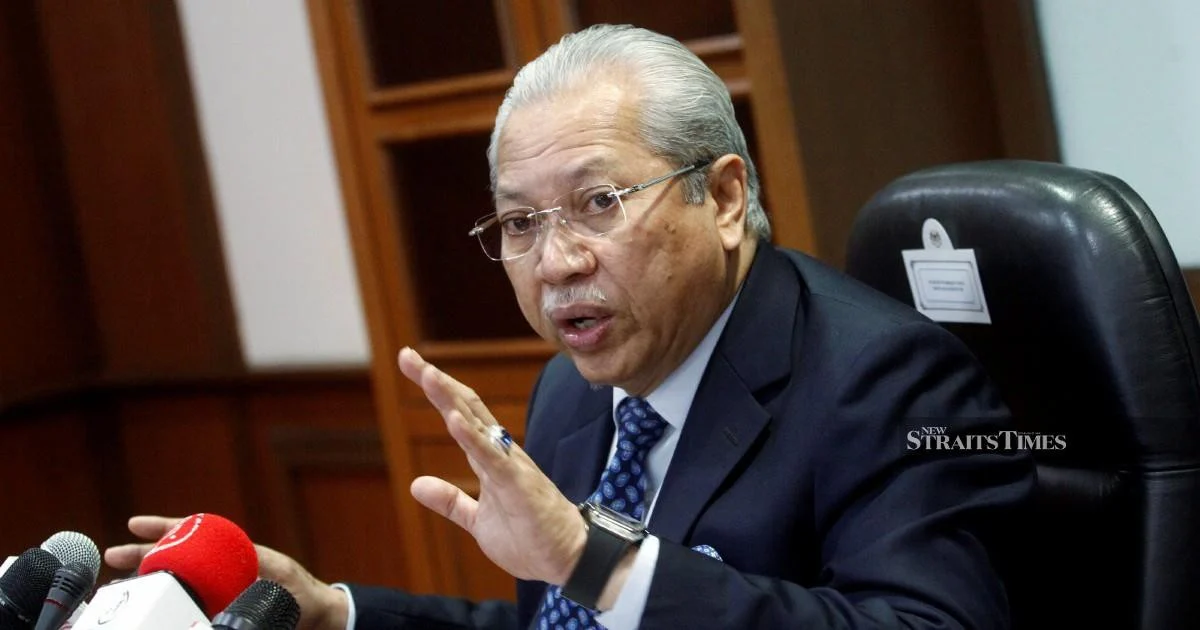
The Islamic Party of Malaysia, PAS, has moved to quash persistent rumours that it orchestrated the removal of Bersatu from the Perikatan Nasional coalition, even as observers note visible friction between the two parties that have anchored the opposition alliance since its formation. In a statement from Kota Baru, party officials stressed that the relationship between the two organisations has never been predicated on expulsion tactics, despite the apparent discord that has periodically surfaced in their partnership.
The clarification addresses a wave of speculation within Malaysian political circles regarding the stability of Perikatan Nasional, which has served as the primary opposition force against the Pakatan Harapan-led federal government. Bersatu, the party founded by former prime minister Muhyiddin Yassin, has long occupied a delicate position within the coalition as its only non-Islamist component, while PAS brings substantial grassroots mobilisation capabilities and ideological heft to the grouping. The alliance's cohesion has been tested repeatedly by disagreements over strategy, candidate allocation, and programmatic direction.
The timing of PAS's statement suggests an attempt to stabilise perceptions of coalition unity ahead of anticipated electoral contests. For Malaysian observers, the health of Perikatan Nasional matters considerably because the coalition's internal dynamics directly influence the competitive landscape for federal and state governments alike. A fractured opposition diminishes the overall electoral challenge posed to Pakatan Harapan, whereas a cohesive PN presents a more formidable political force capable of capitalising on voter dissatisfaction with incumbent administrations.
Bersatu's unique position within PN has been a source of longstanding complexity. The party draws support from segments of the Malay-Muslim establishment disenchanted with either Pakatan Harapan or traditional UMNO leadership, yet it occupies an ideological middle ground that sometimes conflicts with PAS's more explicitly religious political framings. Muhyiddin's previous tenure as prime minister, albeit brief and controversial, also created distinctive leadership dynamics within the coalition that have at times generated friction with other party principals.
The apparent strains that prompted PAS's denial appear rooted in substantive policy disagreements and allocation disputes rather than personal animosity alone. Coalition arrangements across Southeast Asian politics frequently founder on the practical mechanics of seat distribution, resource allocation, and decisions about which leaders occupy prominent positions. These quotidian political matters often assume far greater significance than ideological compatibility in determining whether multiparty alliances survive and thrive.
For Malaysian voters assessing the opposition's viability, such internal tensions raise legitimate questions about whether Perikatan Nasional can maintain sufficient unity to present compelling alternative governance narratives. A coalition perceived as perpetually quarrelsome struggles to convince electorates that it possesses the cohesion necessary for stable executive governance. Conversely, demonstrating capacity for managing disagreements while maintaining strategic alignment can enhance coalition credibility.
Regionally, the trajectory of Malaysian opposition politics carries implications extending beyond the country's borders. The broader Southeast Asian political landscape increasingly features coalition-based competition rather than dominance by individual monolithic parties. How Malaysian alliances manage internal diversity and disagreement may offer instructive lessons, positive or negative, to political analysts across the region who track whether multiparty opposition platforms represent genuine democratic alternatives or temporary convenience arrangements vulnerable to collapse.
PAS's intervention reflects awareness that coalition credibility depends substantially on external perceptions of internal stability. When parties feel compelled to issue public denials regarding fundamental partnership disputes, observers typically interpret such statements as efforts to manage damage control rather than straightforward factual clarifications. The very necessity of the denial may paradoxically reinforce underlying doubts about coalition solidity.
Moving forward, the viability of Perikatan Nasional likely depends on whether PAS, Bersatu, and other coalition members can negotiate a working modus vivendi that acknowledges their genuine policy differences while establishing clear protocols for resolving disputes without triggering existential coalition crises. Such arrangements have proven sustainable in other democracies, though they require leadership willing to subordinate short-term competitive advantage to longer-term alliance preservation.
The broader political environment in Malaysia remains fluid, with federal and state-level dynamics not uniformly aligned. Some state governments under Pakatan Harapan control face substantial electoral vulnerability, creating opportunities for opposition coalitions to expand influence if they can present unified alternatives. Conversely, continued visible strain within Perikatan Nasional could benefit ruling coalition narratives portraying the opposition as incapable of coherent governance.
Ultimately, PAS's denial addresses only the surface manifestation of coalition tensions without necessarily resolving underlying structural contradictions. As Malaysian politics navigates post-pandemic electoral cycles and ongoing realignments among both government and opposition forces, the capacity of Perikatan Nasional to maintain functional cohesion despite genuine disagreements will substantially influence the competitive dynamics of coming contests at federal and state levels alike.

