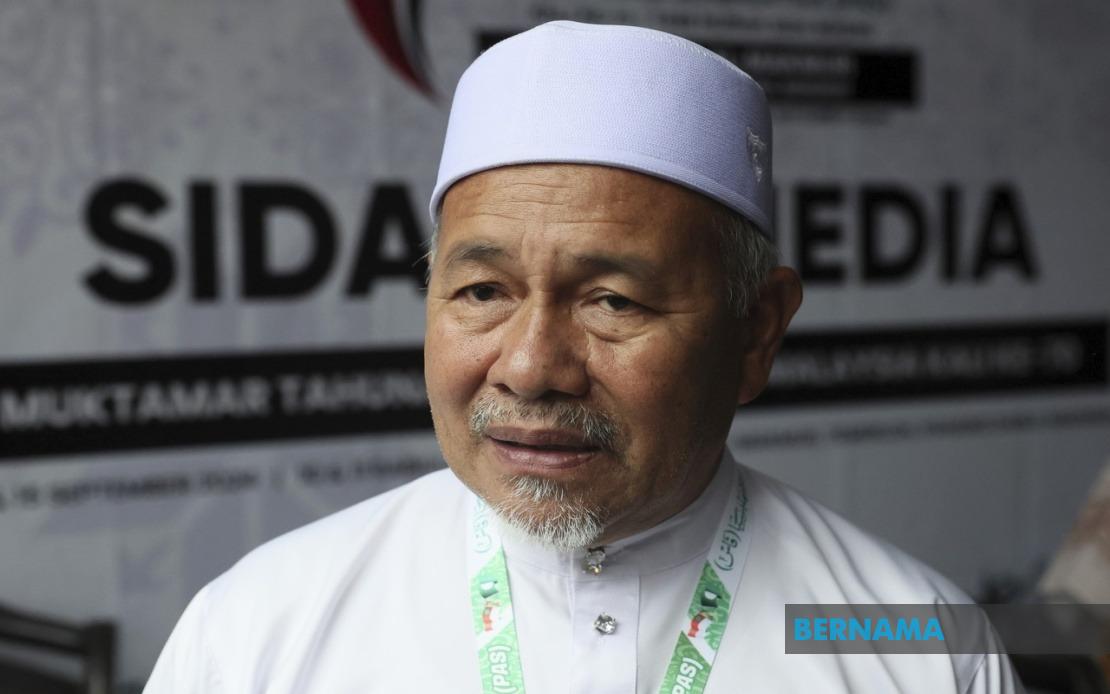
Malaysia's political leadership is intensifying pressure to ensure that fugitive businessman Low Taek Jho faces domestic justice, with the opposition-aligned Pan-Malaysian Islamic Party voicing strong reservations about international legal proceedings potentially overshadowing national prosecution efforts. Speaking in Kota Bharu following the Pasir Mas PAS division's annual gathering, deputy president Datuk Seri Tuan Ibrahim Tuan Man declared that Jho Low must stand trial within Malaysian courts irrespective of parallel legal actions elsewhere, particularly moves by the United States administration that could potentially shield the businessman from accountability.
The timing of PAS's intervention reflects mounting anxiety within Malaysian political circles about the trajectory of international efforts to prosecute Jho Low, the architect behind one of the globe's most significant financial scandals. Recent reports have suggested that the fugitive may feature among approximately 250 individuals under consideration for presidential clemency as the United States commemorates its 250th anniversary. Tuan Ibrahim's statement underscores a determined stance that Malaysia cannot remain passive in its pursuit of someone whose misconduct has fundamentally damaged the nation's economic reputation and public finances.
The assertion by PAS carries particular weight given that Malaysia operates an independent legal framework with full sovereign authority to pursue criminal charges. Tuan Ibrahim emphasized that the country need not align its judicial strategy with decisions emanating from Washington, whether those involve prosecution, negotiated settlement, or other outcomes. This stance reflects a broader conviction that the 1MDB debacle represents a domestic crime demanding domestic resolution, rather than an international matter to be resolved through foreign jurisdictions.
The financial devastation wrought by Jho Low's orchestration of the 1MDB scheme remains a defining moment in Malaysia's contemporary history. Billions of ringgit in state-owned fund assets were diverted through an elaborate network of shell companies and corrupt networks spanning multiple continents. The scandal precipitated Malaysia's 2018 electoral upheaval, toppled a government, and fundamentally altered the political landscape. That such a consequential crime should be adjudicated outside Malaysia's borders remains strategically unacceptable to the PAS leadership, which argues the nation possesses both the moral authority and legal capacity to deliver justice.
Prime Minister Datuk Seri Anwar Ibrahim has already signaled Malaysia's unwavering commitment to pursuing Jho Low through the domestic criminal justice system, despite acknowledging the possibility of executive clemency from the United States. The government's position aligns with PAS's call, suggesting broad political consensus that surrendering the prosecution initiative to foreign powers would constitute an abdication of national responsibility. Anwar's public statements have effectively bracketed the prospect of international interference, positioning Malaysia as determined to see its own courts deliver judgment regardless of developments elsewhere.
The extradition of Jho Low remains a critical operational challenge, however. The fugitive's protracted absence from Malaysian jurisdiction and the geopolitical complexities surrounding his whereabouts have complicated apprehension efforts. Tuan Ibrahim's explicit call for authorities to accelerate extradition proceedings signals impatience with bureaucratic delays and suggests that political pressure may intensify efforts to locate and secure the businessman's return. The urgency reflects awareness that the window for prosecution may narrow if international legal developments overtake domestic proceedings.
For Malaysian observers, the convergence of opposition and government positions on Jho Low carries symbolic significance beyond the immediate legal question. Both PAS and the ruling coalition have staked political credibility on resolving the 1MDB scandal and restoring public confidence in institutional integrity. Allowing the case to be resolved internationally without Malaysian participation would constitute a failure on both fronts. The public memory of the scandal remains vivid, with many Malaysians viewing justice as incomplete unless delivered through their own courts by their own judges.
The international dimensions of the 1MDB affair have already produced prosecutions and settlements across multiple jurisdictions, with financial institutions, intermediaries, and various conspirators facing consequences in the United States and elsewhere. Yet the kingpin himself has eluded definitive accountability within Malaysia, creating a perception of incomplete justice. This gap between international consequences and domestic proceedings fuels the political insistence that Jho Low must ultimately answer for his crimes in Kuala Lumpur.
Looking ahead, the diplomatic and legal maneuvering surrounding Jho Low will test Malaysia's capacity to assert its jurisdictional interests against larger geopolitical forces. The prospect of executive clemency from the world's most powerful nation introduces unpredictability into the calculus. Nevertheless, PAS's clarion call represents an important assertion that Malaysia will not passively accept external determinations of accountability for crimes perpetrated fundamentally against Malaysian society and interests. The principle at stake extends beyond one individual case, touching on national sovereignty and the capacity of Malaysia's justice system to resolve matters within its own borders.

