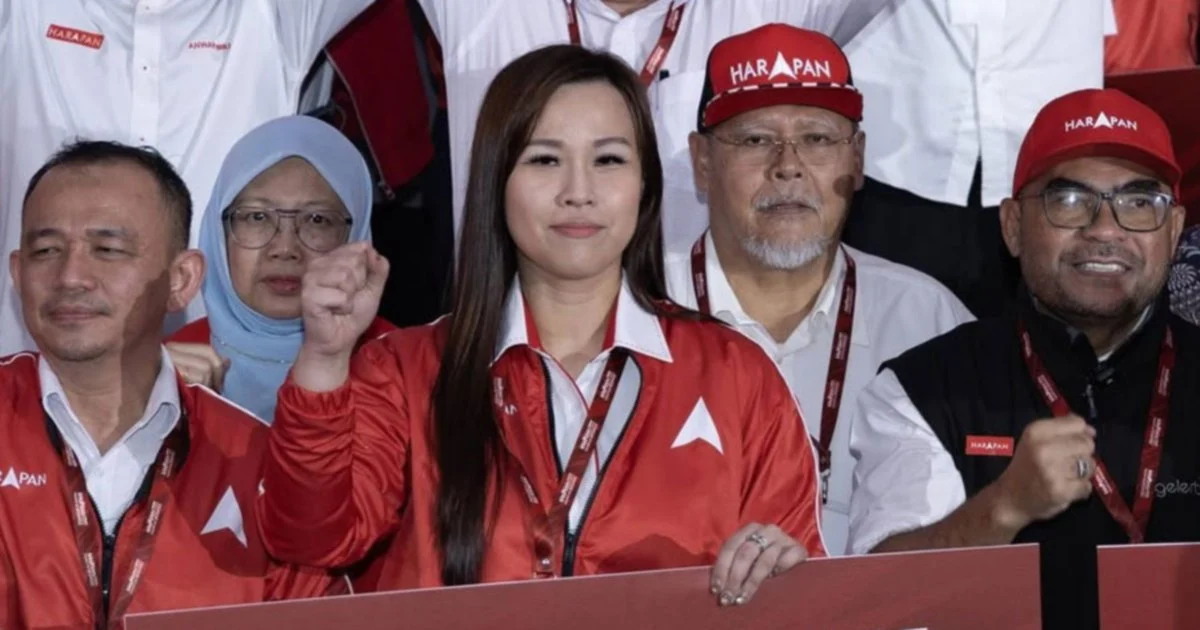
The political temperature in Johor's Permas state constituency has risen with an unexpected challenge from within Pakatan Harapan's own ranks. Pasir Gudang Amanah, the local branch of the Islamic party within the opposition coalition, has declared its intention to boycott PH's chosen candidate for the seat, Sharon Teo, in the forthcoming 16th Johor state election. The move signals deepening tensions over candidate selection processes that have plagued the coalition ahead of the polls.
Amanah's grievance centres on what party members characterise as a "parachute candidate" arrangement—a term of criticism levelled at political appointees who are sent into constituencies without meaningful local organisational groundwork or grassroots consultation. Such arrangements have become a recurring flashpoint in Malaysian electoral politics, particularly within opposition coalitions where smaller components struggle to assert influence over major partners. The boycott announcement underscores how candidate imposition can fracture internal coalition discipline even before campaigning begins.
Sharon Teo's selection appears to have bypassed the customary processes through which local party machinery typically identifies and endorses candidates. In a healthy coalition structure, grassroots branches should have meaningful input into candidacy decisions, but the reality in Malaysian politics often sees senior leadership making determinations with limited consultation. Pasir Gudang Amanah's public stance represents a rare instance of a junior coalition partner openly resisting such arrangements rather than acquiescing to them.
The Permas seat contest takes place against a backdrop of significant political realignment in Johor. The state's electoral dynamics have shifted considerably following the 15th general election and subsequent state-level contests. Johor, long a traditional stronghold for Umno-led coalitions, has seen pockets of opposition support consolidate in certain constituencies. How coalition partners navigate their internal disagreements in such contested terrain may prove decisive in determining overall performance.
For Amanah, the boycott represents more than a dispute over a single candidate. The party, which positions itself as a moderate Islamist force within the opposition spectrum, faces recurring questions about its bargaining power within PH arrangements dominated by larger components like PKR and DAP. Boycotts and public criticisms of higher-profile coalition decisions have become tactics through which smaller parties attempt to reclaim agency and demonstrate their relevance to supporters.
The broader challenge for Pakatan Harapan involves managing coalition coherence whilst fielding candidates across numerous constituencies. Coalition government at both federal and state levels requires careful negotiation over seat allocations and candidate selections. When senior leadership makes unilateral decisions perceived as dismissive of grassroots structures, friction inevitably emerges. The Permas situation exemplifies how these internal management problems can spill into public view, potentially weakening PH's collective campaign messaging.
Historically, Malaysian voters have punished coalitions perceived as internally divided or unable to manage their own mechanics effectively. Public disputes over candidates send signals that organisations lack discipline and unified vision. In three-cornered contests where opposition seats are vulnerable to recapture by Barisan Nasional or other contenders, such internal friction becomes strategically consequential. Permas may not represent a make-or-break seat for PH's fortunes in Johor, but the symbolism of a coalition partner's open boycott resonates beyond the local contest.
The phenomenon of parachute candidacy particularly agitates grassroots party activists across Malaysia's political spectrum. Local branches invest considerable effort in building organisational capacity, nurturing community relationships, and identifying potential candidates with deep constituency roots. When external appointments override these processes, volunteer motivation suffers. Amanah's action reflects genuine frustration among ground-level party workers across Malaysia's coalitions regarding their marginalisation in strategic decision-making.
For Sharon Teo specifically, the boycott announcement creates a challenging campaign environment. Lacking endorsement from influential local party structures, even if she ultimately contests the seat, she operates without certain mobilisation advantages. In Malaysian state elections, local party machinery remains crucial for door-to-door campaigning and voter contact operations. Contesting without unified coalition support presents material obstacles to candidate effectiveness.
The situation also raises questions about how Pakatan Harapan's leadership will respond to Amanah's boycott declaration. Coalition partners could attempt reconciliation and discussion to reach compromise positions, or leadership might double down on the candidacy decision. The coalition's public response will signal whether it views smaller partners as genuine coalition stakeholders or subordinate components whose objections warrant little serious consideration. This dynamic becomes increasingly important as PH attempts to position itself as a viable government alternative in Johor.
Beyond Permas, the boycott announcement carries implications for coalition stability across other Johor constituencies. If Amanah pursues similar tactics elsewhere where it perceives candidate imposition, the cumulative effect could significantly damage PH's cohesion during the crucial campaign period. Voters observing internal coalition disputes often draw conclusions about leadership quality and organisational competence. Such perceptions can prove electorally damaging in tight contests.
The Johor state election will ultimately determine whether internal coalition frictions translated into meaningful electoral losses. However, the Permas boycott announcement already demonstrates that Pakatan Harapan's management of internal coalition dynamics remains unresolved. As the coalition prepares for a consequential state contest, addressing grievances from smaller partners about candidate selection processes may prove as strategically important as the actual campaign itself.

