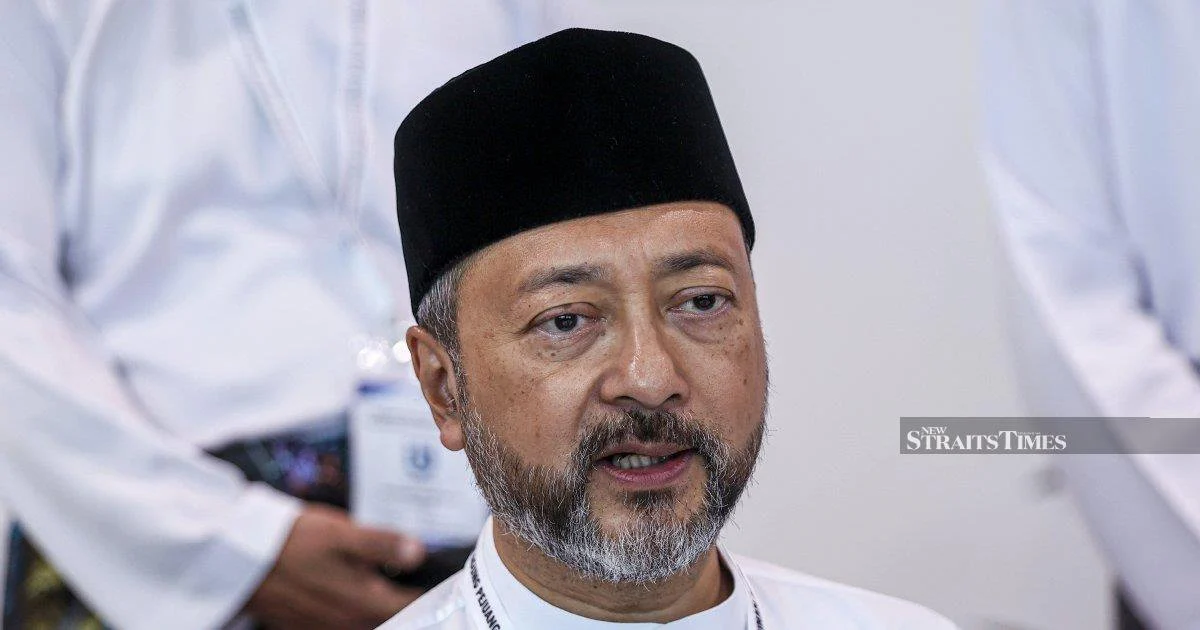
Parti Pejuang Tanah Air's integration into Perikatan Nasional represents far more than a routine coalition expansion—it signals a recalibration of Malaysia's fragmented opposition landscape as political forces seek common ground on critical governance issues. Party president Datuk Seri Mukhriz Mahathir framed the development as part of a concerted drive to consolidate disparate political actors and mobilize resources around shared policy objectives facing the nation.
The incorporation of Pejuang into Perikatan Nasional comes at a particularly significant moment in Malaysian politics. The coalition, already encompassing several Islamic and Malay-centric parties, now absorbs Mukhriz's relatively newer outfit, which emerged from the tumultuous political realignments following the 2018 general election upheaval. This layering of parties within opposition frameworks reflects ongoing attempts to construct electoral machinery capable of challenging the incumbent government and its coalition partners in future contests.
Mukhriz's characterization of the move as initiating broader unity efforts underscores the perception among opposition strategists that Malaysia's political fragmentation poses structural challenges to effective governance alternatives. Rather than viewing coalition-building as a one-time transaction, his framing suggests a rolling process of institutional consolidation designed to strengthen ideological coherence and operational coordination across traditionally disparate interest groups. This perspective carries implications for how opposition forces might eventually translate parliamentary presence into governing capacity.
The strategic calculus behind Pejuang's absorption into Perikatan Nasional reflects pragmatic recognition that Malaysia's current political climate demands coalitional discipline. With the government commanding significant legislative majorities, opposition parties have historically struggled to present unified platforms capable of offering compelling alternatives to voters. By progressively consolidating within established coalitional structures, parties like Pejuang gain institutional visibility and electoral coordination benefits, though potentially at the cost of organizational autonomy.
For Malaysian observers, the development carries implications regarding the trajectory of opposition politics heading toward the next general election cycle. Perikatan Nasional's expansion signals that the coalition remains an active participant in Malaysia's competitive political arena rather than a static arrangement. Each addition of parties such as Pejuang potentially shifts the coalition's internal balance, influences its negotiating capacity within parliament, and shapes the broader ideological positioning it presents to the electorate.
Mukhriz's invocation of "growing national challenges" as motivation for political consolidation reflects a common rhetorical strategy employed across Malaysia's coalition landscape. Both government and opposition tend to frame internal realignments as responses to external pressures requiring unified national responses. Whether addressing economic management, institutional reform, or social cohesion, the argument suggests that political consolidation serves broader national interest rather than merely partisan advantage. This framing remains prevalent regardless of which coalition articulates it.
The structural integration of Pejuang raises substantive questions about internal coalition governance. Perikatan Nasional now encompasses parties with varying ideological orientations, organizational cultures, and regional strongholds. Managing these internal dynamics while maintaining public messaging coherence presents persistent operational challenges. Mukhriz's emphasis on addressing national challenges suggests that coalition leaders intend to manage these tensions through shared policy commitments rather than purely structural accommodation.
From a Southeast Asian perspective, Malaysia's ongoing political consolidation mirrors broader regional patterns wherein electoral competition increasingly occurs between established coalitional blocs rather than among numerous independent parties. Thailand, Indonesia, and the Philippines have all experienced comparable dynamics as political actors seek to aggregate resources and influence through coalition membership. Malaysia's particular trajectory reflects its specific institutional arrangements, voter demographics, and constitutional frameworks, yet the underlying logic of coalition-building tracks similar regional trends.
The admission of Pejuang also carries implications for Perikatan Nasional's capacity to contest effectively across Malaysia's distinct political geographies. Pejuang's organizational presence and Mukhriz's personal networks, particularly in Kedah where his family has historical prominence, potentially extend the coalition's reach into regions where it previously held limited organizational infrastructure. Such geographic consolidation enhances coalition viability in multi-level electoral contests spanning federal, state, and local contests.
Looking forward, observers should monitor whether Mukhriz's framing of this development as initiating "broader unity efforts" materializes through subsequent coalition expansions or strengthened operational coordination. If additional opposition parties join Perikatan Nasional in coming months, the claim about broader consolidation gains credibility as a strategic direction rather than retrospective justification. Conversely, if integration remains limited, the development might represent primarily symbolic gesture toward unity without substantive realignment of Malaysia's fragmented opposition landscape.
The timing of Pejuang's entry into Perikatan Nasional also merits attention regarding parliamentary dynamics. With specific electoral contests, budget votes, and constitutional amendments potentially pending, enhanced coalition coordination could influence parliament's legislative calendar and procedural outcomes. Enhanced opposition unity through institutional consolidation theoretically improves opposition capacity to contest government initiatives, though actual parliamentary impact depends on numerous variables including government discipline, internal opposition fractures, and legislative agenda alignment.
Ultimately, Pejuang's integration into Perikatan Nasional exemplifies the perpetual negotiations through which Malaysian opposition forces attempt to construct viable alternatives to government. Whether such consolidation ultimately translates into electoral competitiveness or merely produces structural reorganization without strategic advantage remains an open question. Mukhriz's invocation of broader unity aspirations signals intent, yet Malaysian political history demonstrates that coalition coherence frequently proves elusive despite stated commitments to unified objectives and coordinated action.

