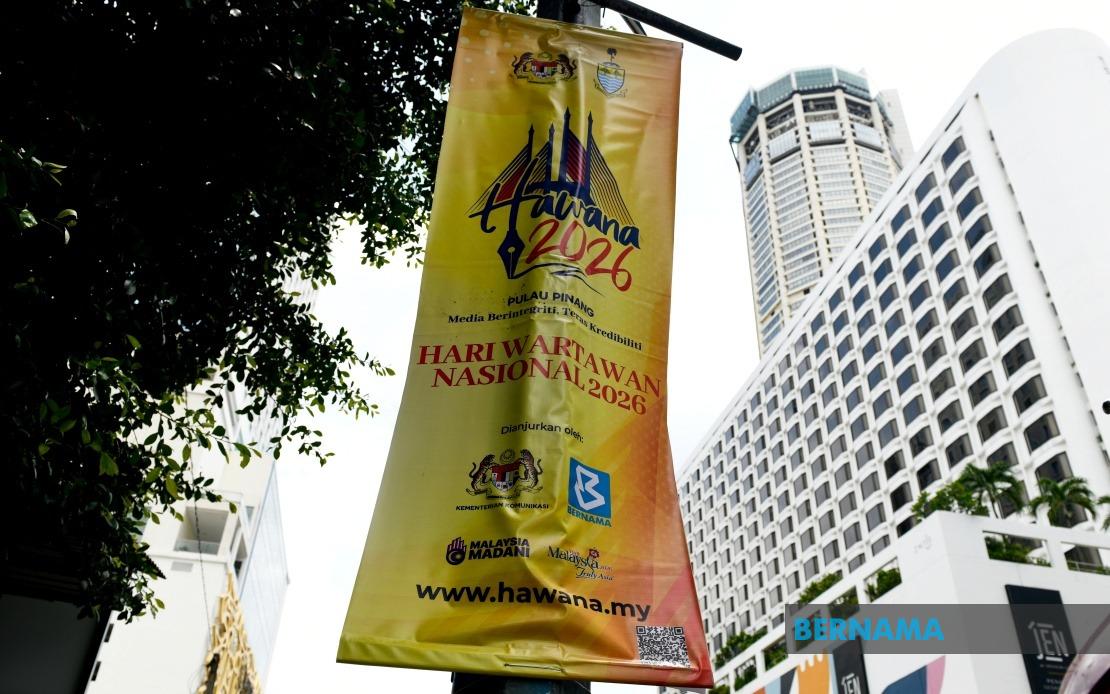
Penang stands ready to welcome one of Malaysia's premier gatherings for media professionals this weekend, with state leadership backing preparations for HAWANA 2026, the annual National Journalists' Day celebration. Chief Minister Chow Kon Yeow has signalled the government's full commitment to making the event a landmark occasion, having coordinated extensively with the federal Communications Ministry over recent months to smooth the path for the summit and its accompanying festivities.
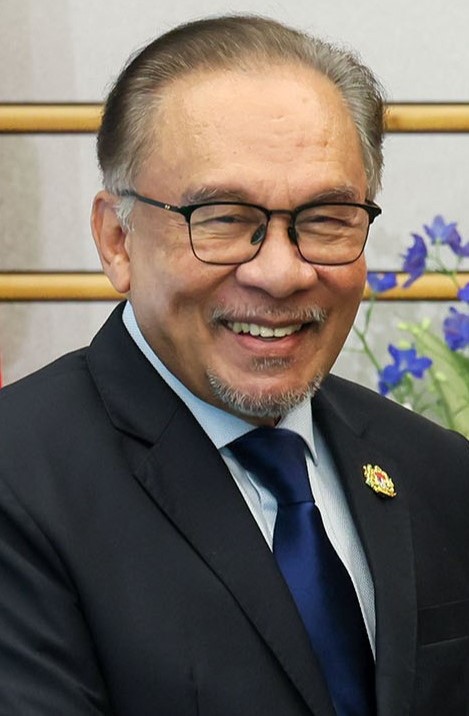
The two-day centrepiece programme reflects a deliberate effort to recognise the indispensable work of journalists and news organisations across Malaysia. The HAWANA 2026 Summit itself, scheduled for Saturday at the PICCA Convention Centre at Butterworth Arena, will draw approximately 1,000 media practitioners both locally and internationally. Prime Minister Datuk Seri Anwar Ibrahim will formally open the summit on June 20, underscoring the national significance attached to journalism and press freedom in the country's democratic framework.
Organised jointly by the Communications Ministry with Bernama, the Malaysian National News Agency, as the lead implementer, HAWANA 2026 carries the thematic focus "Media Integrity Strengthens Credibility." This messaging reflects growing global concern about misinformation and the erosion of public trust in news sources. By anchoring the celebration around integrity, organisers emphasise that professional journalism remains foundational to informed citizenry and accountable governance—matters of particular relevance across Southeast Asia, where media landscapes face mounting pressures from disinformation campaigns and political polarisation.
Beyond the summit itself, a parallel three-day carnival called RIUH Pi HAWANA is unfolding at the same Butterworth venue, beginning Friday. This grassroots component aims to bridge the gap between media professionals and ordinary Malaysians, projecting anticipated foot traffic of 30,000 visitors. The carnival curates contributions from more than 24 local creative brands and 20 food and beverage operators, positioning media celebration as an inclusive, community-facing endeavour rather than an insular professional gathering.
The carnival programming emphasises interactive engagement and public exploration of creative industries. Workshops scattered throughout the three days offer visitors hands-on exposure to diverse creative pursuits, democratising access to knowledge typically confined to specialist circles. This pedagogical approach aligns with emerging trends in how institutional events build public understanding and appreciation for professional sectors, particularly relevant in Malaysia where media literacy remains a developing competency among younger demographics.
Entertainment forms a substantial part of the carnival experience, with 16 free stage performances featuring established and emerging Malaysian artists. The lineup spans multiple genres and generational appeals, from established acts like Bunkface and Masdo to rising talents such as Budak Nakal Hujung Simpang and Chelsea Ng. This deliberate programming diversity signals an attempt to position journalism and media not as a separate, rarefied domain but as woven into the broader fabric of Malaysian creative and cultural life.
Ahead of the main summit, Penang's Governor Tun Ramli Ngah Talib will host a media dinner, providing an intimate networking opportunity for attending journalists and state leadership. Such occasions historically serve as forums where senior officials signal priorities, address industry concerns directly, and reinforce government commitment to press freedom and responsible journalism. In Penang's case, this dinner provides an opportunity to underscore the state's own investment in media infrastructure and its role as a regional media hub.
Chow's public statements project confidence rather than mere hope, suggesting that logistical and programmatic challenges have been substantially resolved through months of coordination. The chief minister's explicit mention of contributions from the state government indicates financial and operational support flowing beyond the federal level, reinforcing that HAWANA 2026 enjoys multi-tier political backing. For Malaysian journalists accustomed to navigating complex regulatory environments and occasional official scepticism, this governmental enthusiasm carries symbolic weight.
The scale of attendance projected—1,000 media professionals converging on a single venue—reflects journalism's continued vitality as an organised profession in Malaysia despite broader industry disruptions. International participation, though unspecified in detail, suggests the event's stature within regional and perhaps wider journalistic networks. For Malaysian news outlets and freelancers, such gatherings offer invaluable opportunities for peer exchange, professional development, and collective affirmation of shared values around reporting standards and editorial independence.
From a regional perspective, HAWANA 2026's emphasis on media integrity arrives as Southeast Asian countries grapple with coordinated disinformation campaigns, political polarisation amplified through social media, and declining trust in institutions. Malaysia's choice to centre its journalists' day around integrity-building rather than, say, technological innovation or digital transformation, reflects considered thinking about what journalism's fundamental contribution remains. This framing offers a subtle counterweight to the notion that journalism's crisis stems primarily from business model disruption, instead positioning professional standards and ethical practice as the sector's bedrock value proposition.
Penang's role as host carries additional significance given the state's historical importance to Malaysian journalism and publishing. The island has long hosted major media organisations and educational institutions focused on communications disciplines. By securing HAWANA 2026, Penang reinforces its identity within Malaysia's media geography while providing opportunities for journalists based in smaller urban centres to participate in a major professional gathering without travelling to Kuala Lumpur, potentially broadening sectoral engagement beyond capital-centric networks.
The parallel carnival structure deserves recognition as an innovative approach to professional celebration. Rather than sequestering HAWANA within hotel ballrooms as a closed professional affair, the carnival opens media industries to public view and participation. This accessibility strengthens the democratic argument for press freedom by demonstrating journalism's connections to broader creative economies and public cultural life. For ordinary Malaysians, the carnival offers a rare chance to encounter media professionals and explore how information systems function.
As HAWANA 2026 unfolds this weekend, the event will test whether large-scale gatherings can meaningfully advance professional standards and public understanding of journalism's role. Chow's confidence appears grounded in concrete preparation rather than rhetorical optimism, suggesting Penang has mobilised genuine resources to deliver a substantive programme. Whether the summit's integrity-focused messaging translates into renewed commitment to professional standards, enhanced public trust, or tangible improvements in news quality across Malaysian outlets remains to be seen in months following the celebration.