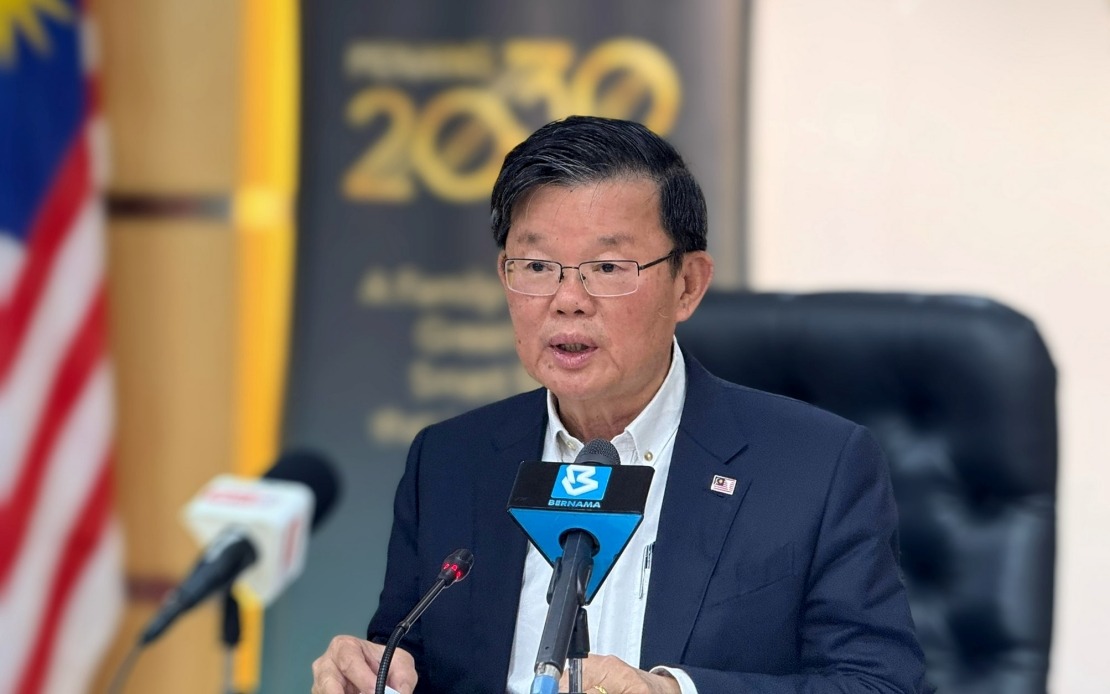
Penang's Pakatan Harapan coalition is shifting into high gear for the next general election, with all regional subcommittees now under orders to convene meetings and submit comprehensive progress reports by early August. The directive, announced by coalition chairman and Penang Chief Minister Chow Kon Yeow during a George Town press conference on July 15, signals a structured approach to campaign readiness that extends across the entire party apparatus in the state.
The strategic review process represents a deliberate effort to diagnose and remedy organisational weaknesses while simultaneously capitalising on areas where the coalition has demonstrated electoral strength. This dual focus—identifying gaps while building on proven advantages—reflects a cautious but methodical approach to positioning Penang as a stronghold for the coalition ahead of polling that observers expect within the next 18 to 24 months.
Chow's remarks emphasise that Penang Pakatan Harapan remains receptive to constructive criticism and external perspectives that could enhance the coalition's overall effectiveness. This openness to feedback is particularly significant in a Malaysian political context where party hierarchies traditionally operate with limited transparency regarding internal evaluations. The public commitment to reviewing strategies based on external input suggests an attempt to project an image of responsive, evidence-driven governance rather than top-down decision-making.
The timing of these preparations is strategic. By requiring subcommittees to report in early August—a period when political momentum typically builds heading toward year-end—the coalition aims to consolidate its messaging and operational capacity well ahead of any election call. This advance planning distinguishes Penang PH from some opposition-held states that have historically been caught off-guard by snap election calls.
Meanwhile, the stability of Penang's Unity Government remains a cornerstone of the coalition's political positioning. Chow noted that cooperation among component parties—which include DAP, PKR, Amanah, and Barisan Nasional—continues without friction or major disputes. This absence of reported tension is significant in a Malaysian context where coalition governments have historically fragmented under pressure. The claim that no party is pursuing independent strategic initiatives suggests effective coordination mechanisms are in place.
The 2023 Penang state election provided the foundation for this Unity arrangement. The coalition secured 29 of 40 contested seats, with DAP's commanding performance of 19 seats giving it overwhelming influence within the partnership. PKR contributed seven seats while Amanah secured one, and Barisan Nasional added two representatives. This seat distribution has created a dominant coalition with substantial breathing room to govern without fragile numerical majorities.
For Malaysian observers and political analysts, the Penang situation offers a model of how post-2023 general election coalitions can be managed at the state level. The partnership between traditional rival blocs—Pakatan Harapan's social-democratic and multiethnic orientation alongside Barisan Nasional's centrist establishment approach—has survived initial scepticism about compatibility. Maintaining this arrangement through the next general election cycle would represent a significant achievement in Malaysian coalition politics.
The strategic review process also carries implications for how Penang PH positions itself relative to national coalition leadership. By conducting thorough internal assessments, Penang is essentially preparing a detailed brief on its electoral prospects and operational requirements that should inform broader national campaign strategy. This granular approach to state-level preparation can provide valuable data about voter sentiment and demographic shifts that extend beyond Penang's borders.
For the broader Southeast Asian region, Penang's election preparations underscore ongoing competition between incumbent coalitions and opposition forces across Malaysia's electoral landscape. The state's multicultural, urban-oriented electorate makes it a bellwether for how coalitions perform in economically advanced, cosmopolitan constituencies—a demographic category that will become increasingly influential in future Southeast Asian elections as urbanisation accelerates across the region.
The requirement for early August reporting also reflects pressure within coalition structures to demonstrate activity and purpose to grassroots members and supporters. Political parties across Malaysia have learned that visible preparation activities—meetings, reviews, strategy sessions—help maintain volunteer engagement and party morale during the period between elections when public attention inevitably wanes. Chow's public announcement of these directives serves partly to signal to party activists that leadership is actively managing the apparatus.
Looking ahead, the success of Penang PH's strategic refinement process will depend on how effectively the coalition translates internal assessments into adjusted campaign messaging and resource allocation. The early August timeline provides adequate runway to implement any identified improvements before the political temperature rises further in late 2024 or 2025.
Ultimately, Penang's methodical approach to election preparation reflects a coalition confident in its current position but aware that electoral landscapes can shift rapidly. By anchoring preparations in documented progress reports and systematic review processes, Chow and his team are attempting to combine confidence with prudent contingency planning—an approach that may prove instructive for other Malaysian states navigating complex coalition politics.

