Educational authorities in Perak are pushing for cooperation rather than confrontation as they grapple with a workplace bullying case involving a teacher and school administration. Datuk Khairudin Abu Hanipah, the state's Education, Higher Education, Youth and Sports Committee chairman, has stressed that both parties must prioritise students' interests by adopting a collaborative stance to resolve the dispute, steering away from mutual accusations.
The controversy centres on allegations raised by an educator at a Chemor school who claims she experienced bullying, intimidation, and psychological harm during the March to May period. The case gained wider attention after details circulated on social media, prompting official investigation and public commentary from state education leaders. Khairudin's intervention signals the seriousness with which authorities are treating the matter while attempting to contain potential escalation.
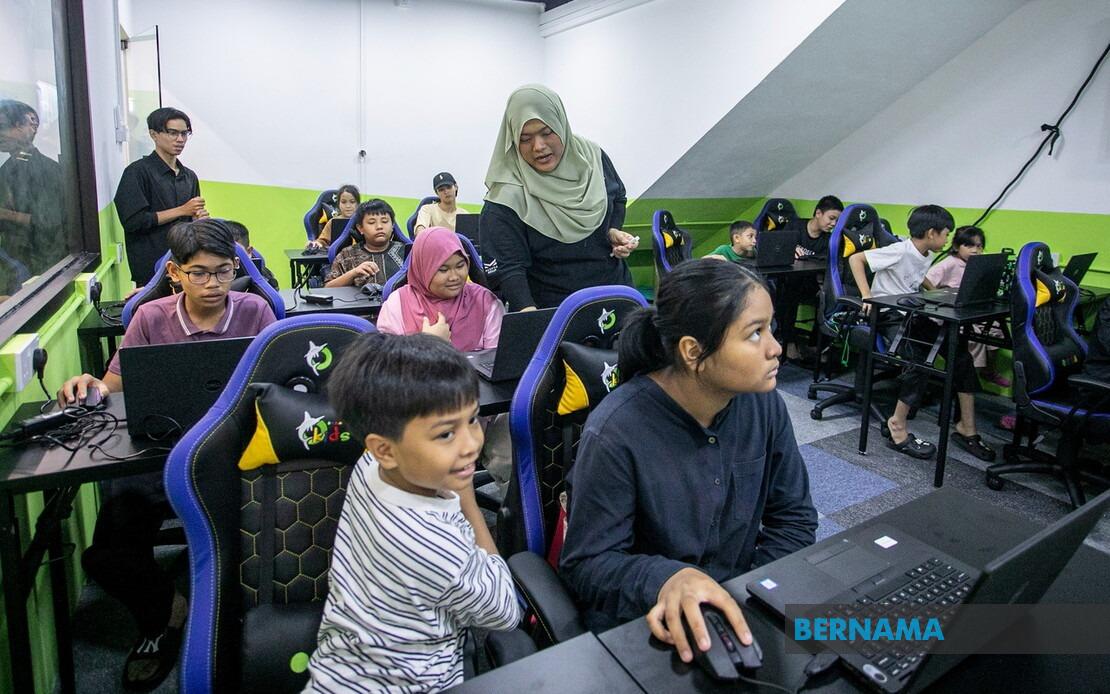
Investigations initiated by the District Education Office and Perak Education Department have concluded, with findings documented through the Public Complaints Management System (SISPAA). Khairudin presented these results to reporters during an event opening the Todak Academy (Perak) Digital Education Hub in Ipoh, indicating that official mechanisms have been activated and findings are formally recorded. However, he stopped short of revealing specific details about the investigation's conclusions or recommendations.
The committee chairman adopted a neutral stance, explicitly avoiding blame toward either party while acknowledging their respective positions. He recognised that school administrations operate within specific regulatory frameworks and circular directives issued by the Ministry of Education, while simultaneously noting that the affected teacher must also navigate formal procedures and established protocols. This balanced approach reflects the complexity inherent in institutional disputes where both parties typically have legitimate grievances and documentation supporting their perspectives.
A particularly contentious aspect involves the teacher's assertion that the workplace stress triggered seizure episodes. Khairudin urged caution about drawing conclusions, stating that medical professionals handling the case must verify these health claims. He emphasised waiting for comprehensive medical documentation before making determinations, cautioning against speculation that could prejudice the matter. This cautious approach underscores how health-related allegations in bullying cases require professional verification rather than assumption-based responses.
Perak Education Director Zulkafli Mohamed Mokhtar issued a formal statement acknowledging the case and reaffirming departmental commitment to professional handling of complaints. The department stressed its responsibility to treat allegations seriously while maintaining transparency and adhering to ministerial regulations. His statement directly addressed the social media attention, indicating that authorities recognised the case's public dimensions and felt obligated to respond to community concerns about workplace standards in educational institutions.
The education department noted that action has been ongoing since March 2026 (appearing to be a typographical reference to a recent date), encompassing engagement sessions between disputing parties, systematic reviews of allegations, ongoing monitoring of the situation, and coordination with relevant stakeholders. This sustained institutional engagement suggests the matter is not being treated perfunctorily but rather as requiring ongoing attention and adjustment. The documentation of follow-up actions provides a record of departmental responsiveness, which becomes important should further disputes arise.
For Malaysian educators and school communities, this case illustrates broader concerns about workplace wellness in educational settings. Teachers across the nation operate in demanding environments where administrative pressures, classroom challenges, and interpersonal dynamics intersect. The prominence of this Perak case may encourage other educators experiencing similar difficulties to pursue formal complaints, potentially revealing systemic issues affecting teacher morale and retention. Educational quality ultimately depends on creating environments where educators can work without fear of persecution or psychological stress.
The emphasis on procedure and protocol, while essential for institutional fairness, also reflects potential limitations in how quickly disputes can be resolved. Formal investigation processes, medical verification, and departmental reviews require time, during which both parties continue working within the same institution or managing extended absences. This structural reality highlights the importance of preventative measures, conflict resolution training, and workplace culture initiatives that might address tensions before they escalate to formal complaint stages.
Regional education systems across Southeast Asia increasingly confront similar challenges as schools modernise and employment rights awareness grows. The Perak approach—advocating conciliation, insisting on procedural compliance, and safeguarding both educator and student welfare—represents a model where authorities acknowledge legitimacy of concerns while maintaining institutional stability. However, the case's resolution will ultimately test whether good intentions translate into meaningful workplace improvements.
Looking forward, the department's stated commitment to protecting teacher welfare while maintaining educational quality will require demonstrable actions. Whether the investigation outcomes lead to systemic changes, mediation between parties, or individual accountability measures remains to be seen. The case serves as a reminder that schools function as communities where human relationships significantly influence institutional effectiveness, and addressing interpersonal conflicts constructively remains essential for sustainable educational environments throughout Malaysia.

