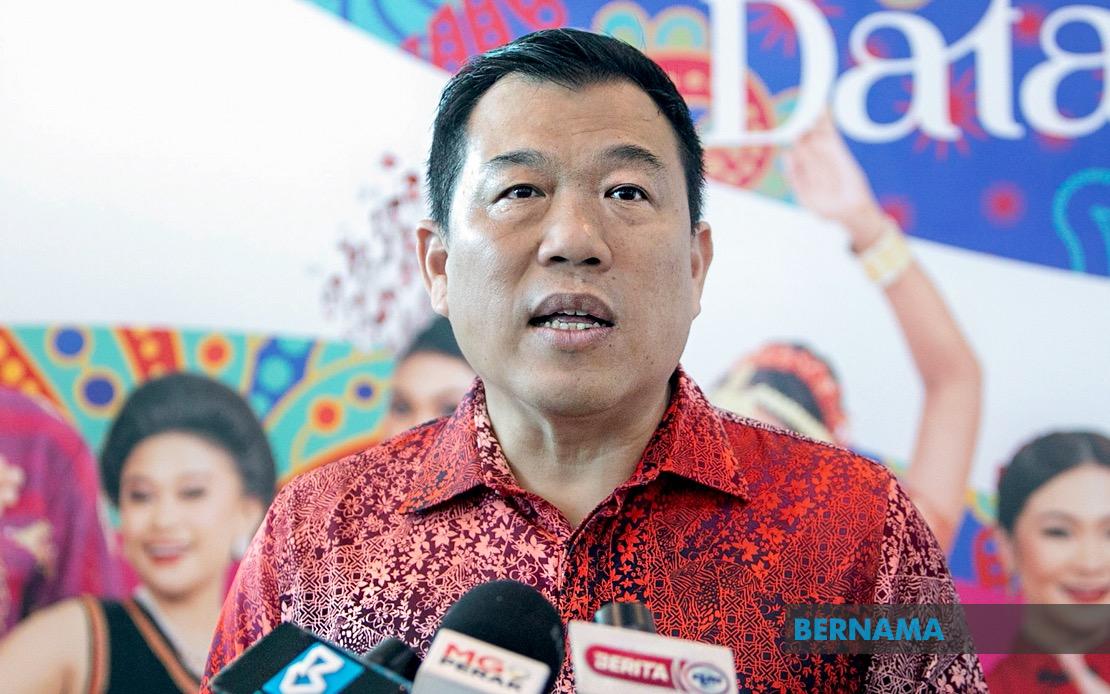
Perak's tourism sector is experiencing a notably uneven recovery, with strong domestic demand masking persistent international headwinds that are reshaping visitor patterns across the northern corridor. State Tourism, Industry, Investment and Corridor Development Committee chairman Loh Sze Yee announced that overnight domestic tourist arrivals expanded from 10.2 million in 2024 to 10.4 million last year, representing a modest but meaningful uptick in local travel to the state. This expansion underscores the importance of Malaysia's domestic tourism market, particularly as international arrivals contracted by approximately 1.5 per cent during the same period—a reversal that signals shifting travel dynamics in the post-pandemic era.
The divergence between domestic and international visitor trends reflects systemic challenges affecting regional connectivity and global aviation economics. Loh identified the absence of direct flights on the Singapore-Ipoh route as a critical bottleneck for international arrivals, a gap that directly limits convenient access for one of Southeast Asia's highest-spending tourist sources. Compounding this connectivity issue, the global oil crisis has reverberated through the aviation sector, elevating operational costs and reducing flight frequencies on regional routes. These structural constraints, rather than weakness in Perak's inherent appeal as a destination, appear to be constraining foreign tourist flows—a distinction that offers some optimism for recovery if circumstances improve.
Within the broader Malaysian tourism landscape, Perak occupies a significant but secondary position. According to Chief Statistician of Malaysia Datuk Seri Dr Mohd Uzir Mahidin, Selangor remains the undisputed domestic tourism leader with 36.4 million visitors last year, trailed by Kuala Lumpur's 35.1 million. Perak follows with 23.6 million domestic visitors, placing it comfortably among Malaysia's top tourism destinations. This positioning reflects Perak's diverse appeal—from the natural attractions of its limestone landscapes and cultural heritage sites to its accessibility for central and northern Peninsular Malaysia travellers. The state's domestic growth trajectory suggests it is successfully capturing leisure traffic from neighbouring regions, even as international challenges persist.
Tourism Malaysia has strategically leveraged Perak's geographic centrality by selecting Ipoh as host for the Pantai Timur Fest 2026, a significant promotional event designed to amplify the tourism profile of Malaysia's eastern coastal states. Tourism Malaysia director-general Mohd Amirul Rizal Abdul Rahim explained that Ipoh's selection capitalises on its positioning as a principal destination in its own right while creating a gateway for introducing the distinctive attractions of Kelantan, Terengganu, and Pahang to visitors from northern, central, and southern regions of Peninsular Malaysia. This strategic choice recognises that Ipoh functions as a natural distribution hub for multi-destination tourism itineraries, allowing visitors to experience multiple states within efficient travel distances.
The Pantai Timur Fest 2026 represents a comprehensive effort to consolidate and showcase the tourism ecosystem of Malaysia's east coast. The festival convenes 30 exhibition booths featuring diverse operators from Kelantan, Terengganu, and Pahang, creating a concentrated marketplace where travel agencies, hotel properties, theme parks, tourism enterprises, and online booking platforms present their offerings. This concentration model enables visitors to explore varied tourism products and experiences—from accommodation to adventure activities—within a single venue, reducing friction in travel planning and generating awareness of regional diversity among Malaysia's domestic traveller base.
Beyond standard exhibition mechanics, the festival programme incorporates experiential elements that deepen engagement with east coast tourism. Cultural performances and traditional craft demonstrations provide visitors with authentic exposure to the artistic heritage of these states, while heritage food promotions highlight regional culinary distinctiveness—an increasingly important factor influencing domestic travel decisions. Interactive activities sustain visitor engagement and encourage longer dwell times, while bundled special offers and travel package discounts directly address price sensitivity among Malaysian holidaymakers. This multifaceted approach recognises that contemporary domestic tourism marketing must balance inspiration with tangible value propositions to convert interest into actual bookings.
The festival aligns with the broader Visit Malaysia 2026 campaign, a national initiative aimed at sustaining momentum in Malaysia's tourism sector across a full calendar year. This timing convergence amplifies promotional reach and coordinates messaging across state and federal levels. For Perak specifically, the Pantai Timur Fest represents an opportunity to strengthen its position within the domestic tourism consciousness, particularly among visitors from high-population centres in the Klang Valley and southern regions who may not regularly consider the northern corridor without curated promotional touchpoints.
The domestic tourism expansion in Perak carries broader implications for Malaysia's tourism strategy during a period of mixed international fortunes. Strong domestic performance suggests that Malaysian travellers continue to invest in leisure experiences despite economic uncertainties, and that regional destinations outside the traditional Kuala Lumpur-Selangor duopoly can successfully capture this demand through strategic positioning and targeted marketing. Perak's growth indicates that infrastructure and attractions exist to support higher visitor volumes, and that marketing investment generates measurable returns in this competitive domestic environment.
However, the simultaneous contraction in international arrivals demands urgent attention from both state and federal authorities. The Singapore-Ipoh flight route closure represents a tangible connectivity problem that directly suppresses revenue-per-visitor metrics, since international tourists typically spend more than domestic counterparts. Resolving aviation constraints requires coordination with airlines and airport operators to restore service levels, potentially through incentive structures or route subsidies during recovery periods. Similarly, global economic conditions affecting aviation economics remain largely beyond Malaysian control, but strategic partnerships with regional airlines and investment in alternative transport modes—such as enhanced rail connectivity to complement air access—could partially compensate for flight route vulnerabilities.
Looking forward, Perak's tourism sector faces a balancing act. Capitalising on strong domestic momentum requires continuous infrastructure improvement and marketing investment to sustain growth rates among local travellers. Simultaneously, reversing international visitor declines necessitates proactive engagement with international markets, restoration of convenient air connections, and differentiated positioning that appeals to international travellers seeking experiences beyond conventional beach and urban destinations. The Pantai Timur Fest represents a constructive step in promoting regional diversity, but must be accompanied by parallel efforts to resolve connectivity constraints and restore Perak's competitiveness within the regional tourism marketplace.

