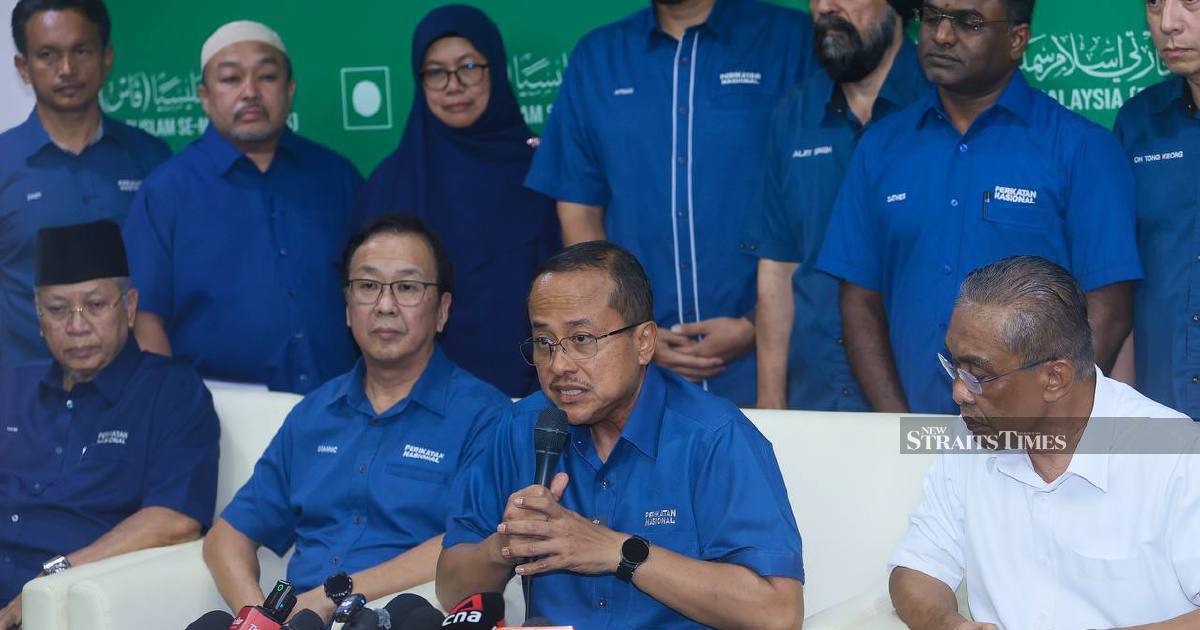
Perikatan Nasional (PN) moved to strengthen its parliamentary foothold by welcoming two additional political parties into the coalition during an emergency Supreme Council gathering held in Kuala Lumpur tonight, according to PN chairman Datuk Seri Dr Ahmad Samsuri Mokhtar. The decision to expand the opposition alliance's membership reflects an ongoing strategic drive to consolidate political strength and broaden representation across Malaysia's fractious political landscape.
While the admission of fresh members signals momentum within PN's efforts to build a wider coalition, the Supreme Council deliberately avoided engaging with two particularly contentious issues that have previously generated friction within the alliance: the proposed Wawasan 2050 framework and the question of a unified coalition logo. The avoidance of these topics underscores the delicate balancing act PN leadership must maintain when navigating internal disagreements that could undermine cohesion among member parties with competing interests and ideological positions.
PN's coalition structure has long been tested by debates over identity and symbolism. The Wawasan discussions, which touch on long-term strategic vision and governance philosophy, have proven particularly divisive, as different member parties harbour distinct policy priorities and constituency concerns. Similarly, the logo question—seemingly administrative on the surface—carries deeper implications regarding which party exerts dominance within the alliance and how the coalition presents itself to Malaysian voters. By deferring these matters, PN's leadership appears to have chosen pragmatism over attempting to force consensus on issues likely to deepen existing fault lines.
The decision to expand PN's membership base through the acceptance of two new parties suggests the coalition views numerical strength as advantageous heading into Malaysia's evolving political cycle. Additional parties bring supplementary parliamentary seats, expanded grassroots networks, and the potential to attract voters from constituencies where existing PN members have limited presence or influence. This approach reflects a broader principle in Malaysian politics: coalitions frequently prioritise breadth over depth, accepting that ideological consistency may be sacrificed in exchange for electoral utility and parliamentary numbers.
For Malaysian observers tracking opposition dynamics, PN's expansion carries significant implications. The coalition, which has already demonstrated capacity to challenge Pakatan Harapan's dominance in certain regions and demographics, now claims enhanced organisational scope. However, the very decision to sidestep difficult conversations about vision and symbols suggests that PN's internal structure remains somewhat fragile, dependent on member parties' willingness to tolerate ambiguity rather than resolving fundamental questions about the alliance's ultimate purpose and direction.
In Southeast Asian political context, PN's expansion reflects familiar patterns observed across the region: opposition coalitions expanding through absorbing smaller parties and independent politicians, often with minimal ideological screening. This strategy prioritises achieving electoral viability over maintaining programmatic coherence. Thailand, Indonesia, and other neighbouring democracies have witnessed similar coalition-building dynamics, where opposition alliances prioritise winning power before addressing internal contradictions that emerge once governing consensus becomes necessary.
Datuk Seri Dr Ahmad Samsuri Mokhtar's statement confirming the party admissions while remaining silent on Wawasan and logo disputes effectively signals that PN leadership has made a calculated choice about which challenges it can address immediately and which require postponement. This approach allows the coalition to project an image of forward momentum and expansion while avoiding the immediate confrontation that definitive stances on contested symbols or strategic frameworks might precipitate among member parties with differing visions.
The timing of this expansion warrants attention, as PN continues recalibrating its political position following various electoral contests and parliamentary developments. Strengthening the coalition's party membership roster during this period suggests PN leadership views consolidation and growth as strategically opportune, whether in anticipation of forthcoming elections, shifting parliamentary dynamics, or evolving political allegiances among Malaysian voters. The expansion therefore represents not merely administrative adjustment but rather a deliberate repositioning within Malaysia's competitive political arena.
The composition of the two newly admitted parties remains an important detail for understanding PN's strategic direction. Different party profiles—whether they bring geographic representation in underserved regions, appeal to particular demographic groups, or strengthen PN's presence in state governments—will determine the expansion's practical significance beyond the ceremonial act of admission. Without clarity on the identity and background of these new members, observers cannot fully evaluate whether PN has successfully plugged electoral weaknesses or simply accumulated additional parties without transforming underlying organisational capacity.
Looking forward, PN faces the classic coalition management challenge: maintaining sufficient unity to compete effectively against rivals while accommodating the competing interests of member parties with divergent priorities. The decision to defer Wawasan and logo discussions provides temporary respite from these tensions, but such fundamental questions about coalition identity, vision, and presentation cannot remain unresolved indefinitely. Whether PN can eventually achieve consensus on these matters, or whether internal disagreements will resurface to complicate future electoral campaigns, remains an open question with significant consequences for Malaysia's political trajectory.

