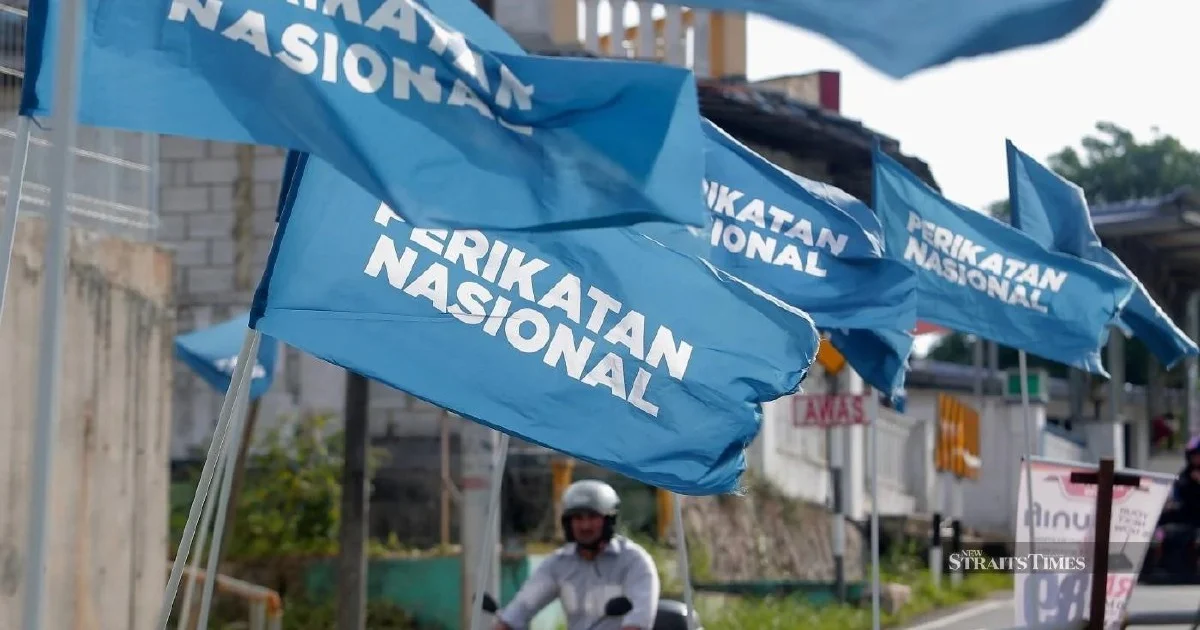
Perikatan Nasional (PN) has moved swiftly to shut down circulating reports that the opposition coalition intends to sit out the forthcoming Johor state election, with deputy chairman P. Punithan categorically denying what he describes as fabricated statements spreading across social media and messaging platforms.
The viral claim, which has gained traction among online discussion groups and social media communities across Malaysia, suggested that PN would not participate in the electoral contest in Johor. Such a development would have significant implications for the state's political landscape, potentially reshaping the competitive dynamics between the ruling Barisan Nasional and opposition forces. Punithan's dismissal of these reports underscores the coalition's determination to establish clarity regarding its electoral strategy.
This denial reflects a broader pattern of misinformation that regularly circulates during election cycles across Malaysia and throughout Southeast Asia. False narratives about political parties' intentions can significantly influence voter sentiment and create unnecessary uncertainty in the months preceding major electoral contests. By confronting these claims head-on, PN aims to prevent speculation from undermining its political standing and public confidence.
The Johor state election represents a consequential political moment for multiple reasons. As one of Malaysia's most populous and economically significant states, the outcome carries weight beyond regional boundaries, potentially signalling shifting political preferences among Malaysian voters. PN's participation in the contest reflects its ambition to expand its influence beyond its traditional strongholds and challenge the Barisan Nasional's historical dominance in the state.
For political observers tracking PN's trajectory since the 2022 general election, the coalition's commitment to contesting in Johor demonstrates sustained momentum and competitive ambition. The coalition has sought to consolidate support among diverse constituencies, and participating in state elections remains essential to that strategy. Withdrawing from any significant electoral opportunity would contradict the coalition's stated objectives of broadening its political base.
The circulation of false claims about PN's electoral intentions also illustrates how misinformation operates within Malaysia's increasingly complex media environment. With multiple platforms serving as information channels, distinguishing authentic policy announcements from fabricated narratives has become increasingly challenging for ordinary citizens. Political parties must therefore invest considerable effort in proactive communication to counter falsehoods before they gain widespread traction.
From a Southeast Asian perspective, such incidents underscore the region's ongoing struggle with election-related disinformation. Malaysia is not alone in facing coordinated or opportunistic spread of misleading political information. Thailand, Indonesia, Philippines, and other nations have similarly grappled with false narratives designed to confuse voters or manipulate electoral outcomes. The challenge extends beyond traditional election campaigns to encompass persistent attempts to destabilise political institutions through sustained information warfare.
The immediate response from PN leadership serves a strategic purpose beyond simple fact-checking. By publicly and emphatically contradicting these claims, the coalition demonstrates organisational discipline and media management capability—qualities that voters often associate with political competence. Conversely, allowing misinformation to circulate unchallenged could undermine confidence in PN's ability to manage communications and governance effectively.
For Malaysian voters attempting to form informed opinions about the approaching Johor election, PN's clarification provides necessary context for evaluating the political landscape. Citizens deserve accurate information about which parties intend to contest and what electoral choices will actually confront them at polling stations. The stakes in state elections extend beyond immediate political calculations; they affect governance, resource allocation, and policy direction across crucial decades for Malaysia's development.
The timing of such misinformation also warrants consideration. False narratives often circulate strategically—either to test public reaction, to influence undecided voters, or to create confusion that benefits competing political forces. Whether this particular claim emerged organically or through deliberate amplification remains unclear, but PN's response suggests the coalition takes the matter sufficiently seriously to warrant immediate leadership intervention.
Looking forward, PN faces the dual challenge of maintaining electoral competitiveness while managing its public image against persistent misinformation. The coalition must continue clearly communicating its actual electoral strategies and policy positions while simultaneously addressing false claims that might otherwise gain credibility through repetition and social media circulation. This balancing act reflects broader contemporary political realities across Malaysia and Southeast Asia.
Ultimately, PN's categorical denial and characterisation of these reports as complete fabrication establishes an important marker regarding the coalition's actual intentions. As election preparation intensifies and campaigning accelerates, Malaysian voters can expect additional false claims to emerge from various sources. The coalition's proactive stance in this instance demonstrates its determination to ensure voters receive accurate information about its participation and policy objectives in the Johor electoral contest.

