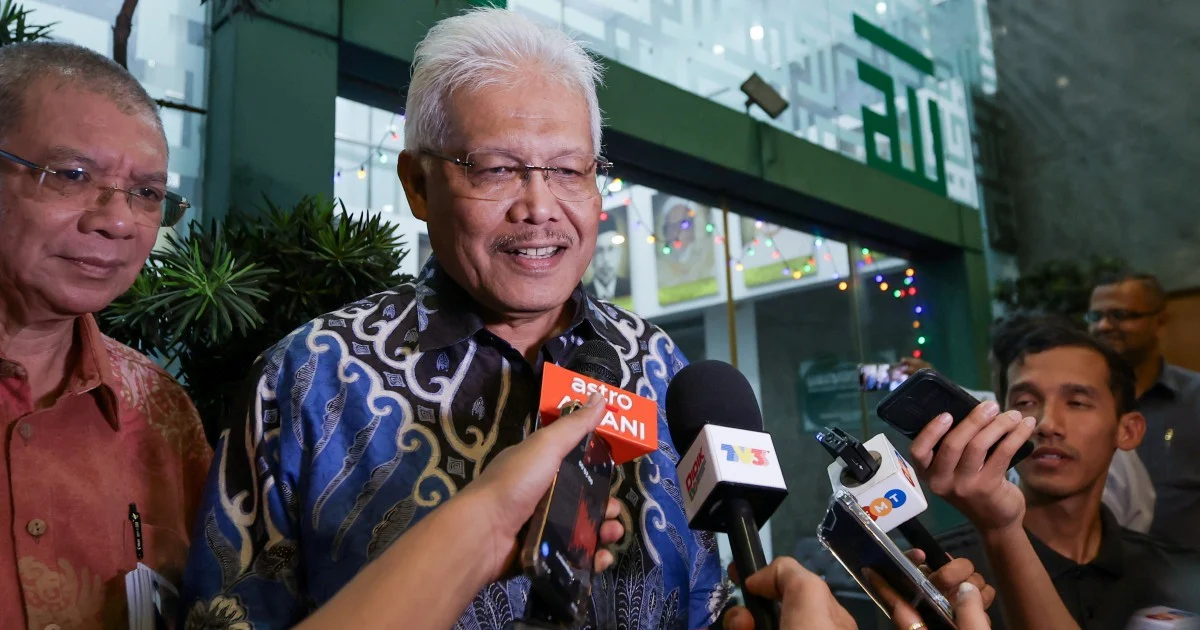
Perikatan Nasional has taken a decisive procedural step to cement its parliamentary opposition leadership, with chief whip Datuk Seri Takiyuddin Hassan submitting formal notification to the Dewan Rakyat Speaker's office confirming Datuk Seri Hamzah Zainudin's reappointment as opposition leader. The filing represents a significant moment in Malaysia's current political configuration, underscoring the stability of opposition ranks and the coalitional clarity PN has sought to establish following its electoral reverses in recent years.
The submission of such notification carries substantial constitutional and procedural weight within Malaysia's parliamentary system. When opposition leaders require reconfirmation—whether through elections, coalition reshuffles, or standard administrative renewal cycles—formal notification to the Speaker ensures the record is updated in the Dewan Rakyat's official documents. This institutional clarity prevents disputes over leadership legitimacy and establishes clear lines of communication between the opposition and the parliamentary apparatus. For foreign observers and diplomatic missions following Malaysian politics, such submissions also signal stable opposition governance.
Hamzah Zainudin's position as opposition leader has been consequential for charting PN's parliamentary strategy since the 2022 general election. As the highest-ranking opposition figure in the Dewan Rakyat, he oversees the coalition's legislative agenda, determines when opposition members speak during debates, and represents the parliamentary opposition's collective interests during key parliamentary moments and negotiations with government. The opposition leader's office controls resources, speaking time allocation, and parliamentary committee positions—powers that shape how effectively the coalition can scrutinize government legislation and advance alternative policy proposals.
Takiyuddin's action as chief whip reflects his institutional authority within PN's parliamentary machinery. The chief whip position, traditionally wielded by senior party figures, manages discipline among coalition members, ensures attendance during crucial votes, and coordinates the opposition's tactical positioning on sensitive legislative matters. By having the chief whip handle this administrative notification rather than Hamzah himself, PN has followed established parliamentary convention while demonstrating organizational coherence. This procedural formality also insulates the opposition leader from routine administrative tasks, preserving his focus on broader strategic leadership.
The timing of this reappointment notification carries political implications for PN's internal cohesion. Since the 2022 election, Perikatan Nasional has navigated complex coalition dynamics, balancing its constituent parties—Bersatu, PAS, and associated component parties—while managing expectations among supporters who had anticipated greater electoral success. Formally reconfirming Hamzah's leadership sends a reassuring signal to PN members and supporters that the coalition remains organizationally intact and strategically focused, despite the inevitable frustrations that accompany opposition status following electoral disappointment.
For Malaysian observers tracking parliamentary dynamics, Hamzah's reconfirmation reflects PN's strategic commitment to sustained opposition presence rather than fragmentation into individual party-based parliamentary blocs. Opposition coalitions across democratic systems frequently fracture under pressure, with component parties breaking away to negotiate individual deals with government. By formally reinstating Hamzah through proper notification procedures, PN demonstrates that its opposition alliance remains binding and that individual parties remain committed to collective rather than atomized parliamentary strategies. This cohesion strengthens PN's capacity to extract concessions from government during legislative negotiations and enhances the coalition's relevance in future political realignments.
The notification also establishes clear parliamentary records that will prove significant if the political landscape shifts dramatically. Malaysia's fluid coalition dynamics mean that opposition and government configurations can change rapidly. By documenting Hamzah's reappointment through official Speaker notification, PN creates institutional records that demonstrate leadership continuity and coalition stability at a specific moment in time. Should future disputes arise regarding who legitimately held the opposition leader position during particular parliamentary sessions or legislative votes, these documented notifications provide authoritative evidence.
Within Southeast Asia's broader democratic context, such procedural notifications appear routine but serve important functions. Countries across the region struggle with opposition legitimacy and parliamentary transparency. Malaysia's adherence to formal notification procedures—ensuring that opposition leadership changes receive official recognition rather than operating through informal understanding—reflects institutional maturity. This transparency allows Malaysian civil society organizations, media outlets, and international observers to track opposition leadership with confidence, reinforcing the credibility of Malaysia's democratic institutions.
For government benches and Datuk Seri Anwar Ibrahim's Pakatan Harapan administration, Hamzah's reconfirmation represents the opposition landscape they must navigate for the foreseeable parliamentary term. With opposition leadership formally reinstated and documented, the government gains clarity regarding who it must engage during opposition-initiated parliamentary business, budget negotiations, and statutory debates. Clear opposition leadership also facilitates government negotiations with the opposition on specific legislative matters where opposition support might be sought to enhance government legislative majorities on sensitive votes.
Looking forward, Hamzah's formal reappointment positions PN for sustained parliamentary impact during the remainder of the current Dewan Rakyat term. The opposition leader will continue setting PN's parliamentary priorities, determining how effectively the coalition scrutinizes government legislation, and potentially positioning PN for potential coalition negotiations should Malaysia's political configuration shift. The procedural formality of Takiyuddin's notification may appear administrative, but it anchors opposition leadership in institutional legitimacy, ensuring that Hamzah's authority rests not merely on internal PN consensus but on official parliamentary recognition.

