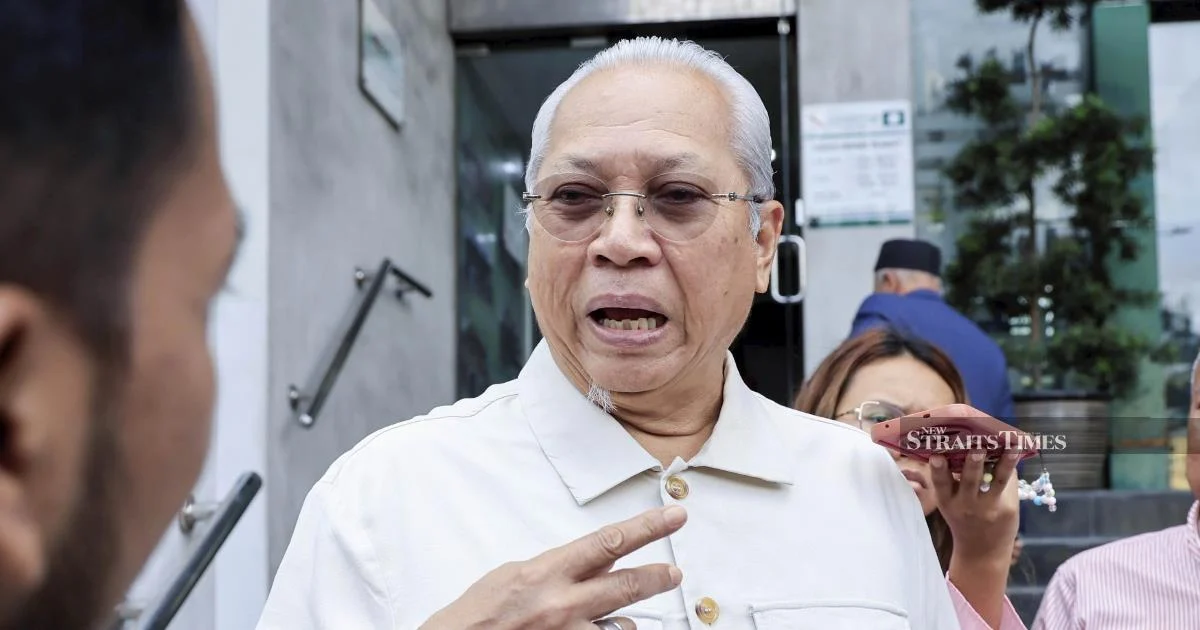
Coalition leaders from Perikatan Nasional have concluded seat allocation talks for the upcoming Johor state election, with multiple senior figures signalling successful outcomes as they left the party headquarters in Kuala Lumpur today. The upbeat tone from departing negotiators suggests the multi-party alliance has resolved contentious seat distribution issues without the acrimony that often characterises such discussions in Malaysian electoral politics.
The Johor state polls represent a significant electoral battle for Perikatan Nasional, which comprises PAS, Bersatu, and smaller allied parties. Seat negotiations within the coalition have historically proven contentious, with various factions jostling for prime electoral territory. Today's smooth conclusion indicates the parties have managed to balance competing demands while maintaining coalition unity ahead of polling day.
For Malaysian politics observers, smooth coalition management during seat allocation is a crucial indicator of electoral competence. Internal discord during candidate selection has previously undermined opposition efforts, most notably during the 2022 general election when competing egos and territorial disputes weakened challenge to the then-ruling Barisan Nasional. Perikatan Nasional's ability to manage this process efficiently demonstrates tactical maturity within the alliance, particularly important given its aspirations to capture or consolidate state-level power.
The Johor battleground carries outsized significance for Malaysian politics. The southern state remains a crucial power base for multiple political factions and has served as either launching pad or graveyard for national political ambitions. Control of Johor offers not merely state-level governance but also strategic positioning for federal-level negotiations and coalition-building that determine who forms the national government.
PAS, as the largest party within Perikatan Nasional and the coalition's anchoring force, plays the central role in such negotiations. The party's strength in rural constituencies and Islamic-leaning areas gives it considerable leverage in seat allocation discussions. Today's amicable conclusion suggests PAS leadership successfully negotiated terms favourable enough to its coalition partners while securing adequate representation for its own candidates.
Bersatu's involvement in these negotiations underscores the complex repositioning within Malaysian politics following the 2022 elections. The party, which originated as a breakaway from UMNO, now partners with PAS in Perikatan Nasional despite historical tensions. Smooth cooperation on seat allocation indicates these coalitions, however recent and sometimes fragile, are developing institutional mechanisms to manage internal disputes.
The fact that multiple leaders departed expressing satisfaction suggests consensus rather than compromise-fatigue. In Malaysian coalition politics, this distinction matters significantly. Consensus indicates genuine agreement with outcomes, whereas compromise typically breeds resentment that surfaces later during campaign or governance phases. Today's satisfied demeanour suggests the latter condition prevails.
For Johor voters, successful coalition seat allocation has dual implications. Positively, it suggests participating parties will campaign cohesively without turning firepower inward. Negatively, it may indicate backroom dealings that sideline voter preferences in favour of party calculations about which candidates offer best chances of winning given local demographics and incumbent advantages.
The broader regional context amplifies Johor's significance. Malaysian state elections increasingly determine national political direction, with successful state-level coalitions providing templates for federal arrangements. Perikatan Nasional's ability to function smoothly in Johor may determine whether it ultimately becomes a sustainable national alternative to Barisan Nasional and Pakatan Harapan, or remains a temporary alignment of convenience.
Political analysts will scrutinise whether today's goodwill translates into unified campaign messaging and coordinated ground operations. Coalition harmony during seat allocation offers no guarantee of electoral success; execution and voter reception ultimately determine outcomes. However, smooth internal processes provide necessary foundation for effective campaigns.
The coming weeks will reveal whether today's smiles mask deeper tensions or represent genuine alignment. Campaign period often exposes suppressed grievances within coalitions as candidates compete for media attention and party activists push conflicting agendas. Johor's electoral calendar will test whether Perikatan Nasional's leaders truly resolved their differences or merely postponed difficult conversations.
For observers tracking Malaysian political evolution, these negotiations exemplify how coalition-building has become central to national politics. No single party commands sufficient seats to govern alone, making seat allocation and coalition management critical governance competencies. Perikatan Nasional's successful negotiation today suggests it has learned lessons from earlier coalition failures.

