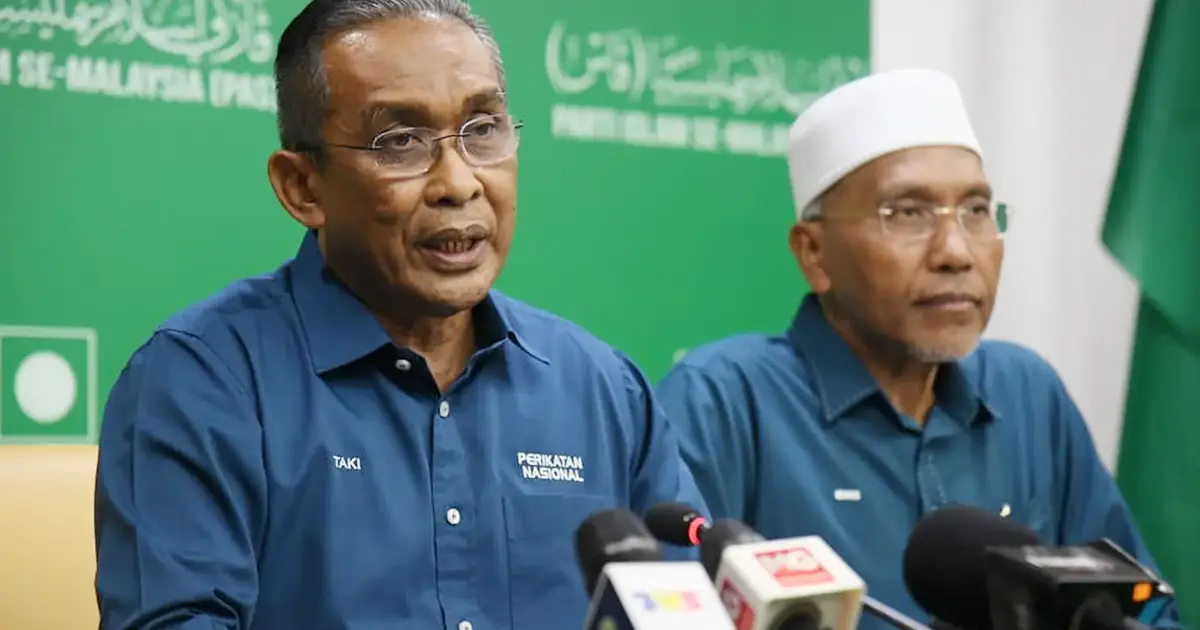
Perikatan Nasional has introduced stringent new governance procedures that effectively place all internal meetings and public events under the direct control of the coalition's chairman. The announcement comes amid rising tensions within the opposition alliance, particularly following attempts by Bersatu president Muhyiddin Yassin to convene a PN Supreme Council gathering.
The coalition's secretary-general articulated the new protocol in response to these developments, establishing that no gathering bearing the PN banner—whether formal council sessions, committee meetings, or public events—can proceed without explicit authorisation from the chairman's office. This represents a notable shift in how the coalition manages its internal affairs and suggests deepening concerns about coordination and authority within the alliance structure.
The timing of this announcement carries particular significance given Muhyiddin's position within the coalition. As president of Bersatu, one of PN's largest component parties, Muhyiddin's apparent move to organise a Supreme Council meeting without going through established channels appears to have triggered the leadership's response. This dynamic reveals friction between individual party leaders and the coalition's centralised decision-making structures.
For Malaysian observers tracking opposition politics, this development underscores ongoing struggles within PN over power distribution and decision-making authority. Unlike the ruling coalition's more established hierarchies, PN remains a relatively newer political alliance with evolving internal protocols. The secretary-general's clarification suggests these procedures may not have been sufficiently codified or understood by all component party leaders.
The requirement for chairman approval before holding meetings carries practical implications for PN's operational capacity. Component parties—including Bersatu, PAS, and others—typically need flexibility to convene internal gatherings and coordinate strategies. Centralising approval authority could slow decision-making processes or create bottlenecks, particularly if the chairman's office becomes overwhelmed with authorisation requests. Conversely, the protocol appears designed to prevent unilateral actions by individual party leaders that might undermine coalition unity.
This governance shift also reflects broader questions about PN's cohesion as it positions itself against the current ruling coalition. Opposition alliances require careful balance between maintaining individual party autonomy and presenting a unified front to voters and parliament. Tightening controls at the coalition level could strengthen message consistency but risks alienating party leaders accustomed to operational independence.
The political context matters significantly here. PN has faced recurring challenges maintaining internal discipline, with occasional defections and divergent positions on key issues among component parties. A centralised approval mechanism could theoretically prevent embarrassing public splits or contradictory statements that damage the coalition's credibility. However, it may also generate resentment among senior figures in component parties who feel their authority is being undermined.
Muhyiddin's reported attempt to convene a Supreme Council meeting without prior approval raises questions about whether this was a genuine oversight or a deliberate challenge to the coalition's leadership structure. Bersatu's influence within PN—given its parliamentary numbers and organisational capacity—means tensions involving Muhyiddin carry outsized significance for the coalition's overall stability. How the chairman responds to future incidents will establish whether this new protocol has genuine enforcement teeth.
Regional observers should note that such governance disputes are common across Southeast Asian opposition coalitions. The Association of Southeast Asian Nations region has witnessed numerous opposition alliances struggle with internal coordination, particularly when comprising ideologically or demographically diverse components. PN's challenge mirrors experiences in other democracies where multi-party alliances attempt to function as unified entities.
The secretary-general's statement also serves a signalling function to PN's grassroots supporters and the broader public. By articulating clear procedures, the leadership demonstrates attempts at organisational maturity and institutional development. This contrasts with perceptions of PN as a reactive alliance formed primarily through opportunistic combinations of anti-establishment sentiment.
Moving forward, implementation will determine this policy's actual impact. If the chairman's office grants authorisations routinely, the requirement becomes largely ceremonial. If approvals are frequently denied or delayed, it could precipitate genuine internal conflict and potentially trigger departures by frustrated party leaders. The coming weeks and months will reveal whether this represents genuine structural reform or merely rhetorical reassertion of nominal authority.
The broader implications for Malaysian politics involve questions about how opposition coalitions can maintain both internal discipline and democratic legitimacy. Voters expect opposition alliances to demonstrate competence and unity, yet overly centralised control can appear antidemocratic or personality-driven. PN's new protocol attempts to navigate this tension, though its success remains uncertain given the coalition's continuing structural challenges.

