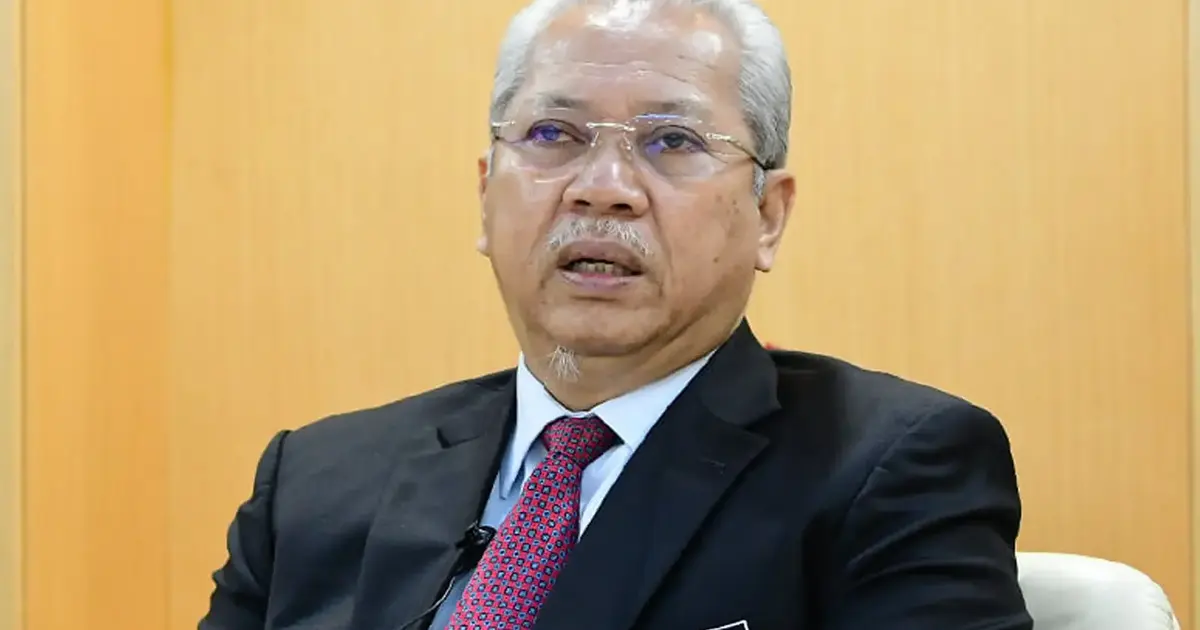
Perikatan Nasional's leadership has scheduled a critical Supreme Council meeting for Monday to address mounting tensions within the opposition coalition, particularly concerning the use of the PN logo and the distribution of electoral seats for contests in Johor and Negeri Sembilan. Information chief Annuar Musa underscored that the contentious matters—including fundamental questions about Bersatu's continued participation in the bloc—require the highest decision-making body's intervention and cannot be settled through lower-level discussions.
The timing of this meeting reflects the urgency surrounding PN's internal cohesion as the coalition prepares for state-level electoral battles. The Johor and Negeri Sembilan contests represent significant opportunities for the opposition to demonstrate electoral strength, yet the coalition's unity has been tested by disagreements over branding, seat negotiations, and the precise role of Bersatu within the alliance structure. These disputes have become emblematic of deeper fissures that have troubled PN since its formation, with questions repeatedly surfacing about whether all components genuinely committed to a unified front or pursuing narrower partisan interests.
Bersatu's status within PN has emerged as the focal point of recent friction. The party, which holds considerable influence within the coalition given its parliamentary presence and political positioning, has faced questions about its long-term commitment to the partnership. These uncertainties have complicated negotiations over seat allocations, as partner parties want clarity on whether Bersatu will contest under the PN banner or pursue separate strategies that might fragment the opposition vote. Such fragmentation could benefit the ruling coalition and undermine PN's competitive position in these contests.
The logo dispute, while appearing superficial, carries significant symbolic and practical importance. In Malaysian electoral politics, the coalition logo serves as a voter recognition device and carries the accumulated brand equity of campaign messaging and public association. Disagreements over its usage reflect deeper anxieties about how seats, resources, and campaign prominence will be distributed among PN's constituent parties. Individual components fear being sidelined or disadvantaged in seat negotiations, making the logo question a proxy for broader allocation concerns.
Seat distribution has historically proven one of the most challenging aspects of multi-party coalition management in Malaysia. Each party enters negotiations asserting it deserves a larger allocation based on claimed electoral strength, past performance, or grassroots organizational capacity. In PN's case, tensions arise because component parties have unequal standing—some bring substantial parliamentary representation while others contribute primarily organizational or regional strength. The Johor and Negeri Sembilan polls will be early tests of whether the coalition has developed mechanisms to manage these inevitable conflicts.
For Malaysian political observers, PN's struggles with internal governance raise questions about its viability as a long-term opposition force. The coalition achieved significant success in the 2022 general election, capturing substantial support by positioning itself as an alternative to the then-dominant Perikatan and subsequently the broader ruling establishment. However, success created new challenges: as PN members sensed real possibilities of gaining power, the stakes for seat allocation increased, making compromise more difficult. Partners that previously accepted subordinate roles now demanded greater recognition and tangible electoral rewards.
The upcoming Supreme Council meeting must accomplish several interconnected objectives simultaneously. First, it must clarify Bersatu's intentions and commitment level—whether the party is fully invested in the PN project or hedging its bets by maintaining flexibility for future realignments. Second, it must establish transparent principles for seat allocation that all parties perceive as fundamentally fair, even if individual components feel they deserved more. Third, it must legitimize the use of the PN logo in a way that all partners accept as representing their collective identity rather than privileging particular members.
Annuar Musa's emphasis that these matters require Supreme Council attention signals that coalition leadership recognizes the seriousness of the situation. Junior-level discussions have apparently failed to narrow differences, necessitating intervention by senior figures with broader authority and political capital. The Supreme Council format allows for more candid negotiations among party leaders who can make binding commitments and invoke organizational discipline on their respective parties if agreements are reached.
For Johor and Negeri Sembilan voters, the resolution of these disputes carries direct implications. A fractured or hesitant opposition presence could affect electoral competition in these states, with consequences for local governance and representation. If PN resolves its internal differences and presents a unified, coherent campaign, these contests could become genuinely competitive and offer voters meaningful choices. Conversely, if the coalition's internal problems persist or worsen, the ruling coalition may benefit from opposition disarray.
The broader Southeast Asian context adds another dimension to PN's challenges. In regional democracies, coalitions often struggle with similar tensions between unity and autonomy, between collective strategy and individual party interests. How PN navigates these difficulties could provide lessons for opposition movements across the region grappling with similar coordination problems. Coalition success requires not just electoral appeal but also sophisticated internal management systems that balance competing interests while maintaining sufficient cohesion to present voters with credible alternatives.
The Supreme Council meeting's outcomes will be closely watched not merely for their immediate implications regarding logo usage and seat distribution, but as indicators of PN's deeper institutional health and capacity for sustained opposition governance. Should the coalition emerge with clear decisions that member parties accept, it will demonstrate maturity and organizational capability. Should the meeting produce ambiguous compromises or further acrimony, it may signal that PN's internal divisions run too deep for effective unified action in the near term.

