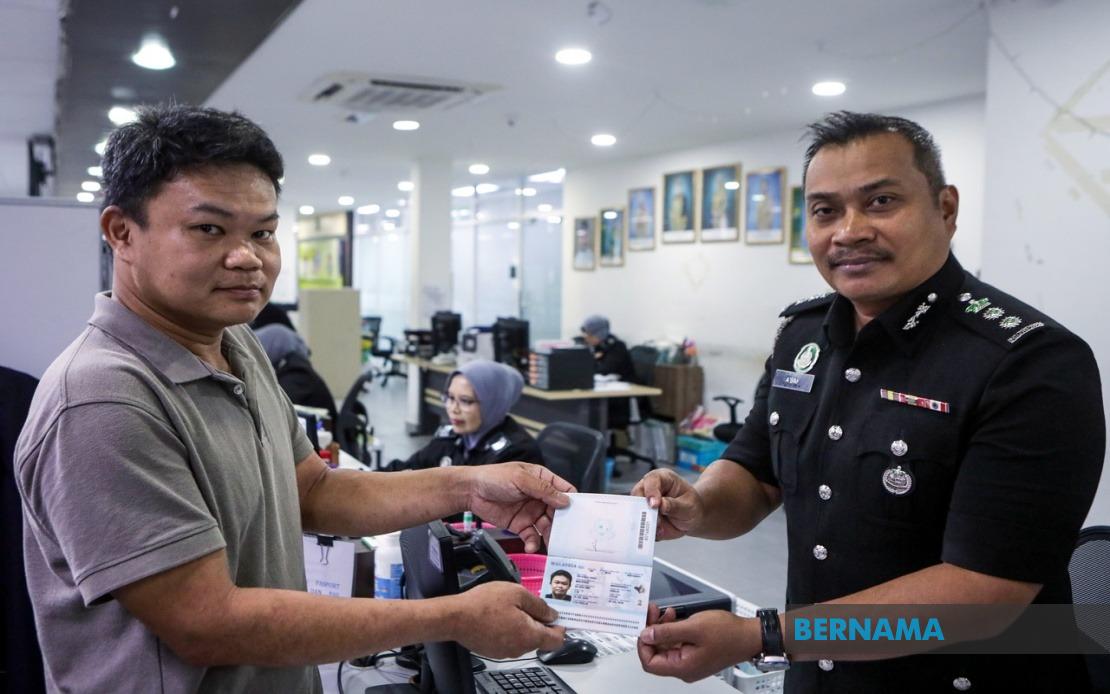
The Perlis Immigration Department has taken the lead in distributing the new Malaysian International Passport, a state-of-the-art travel document unveiled nationally by Prime Minister Datuk Seri Anwar Ibrahim on June 30. Beginning operations on July 20 at the Kangar Urban Transformation Centre, the department is now processing applications from Malaysian citizens aged 18 and above who wish to obtain the upgraded credential. The rollout represents a significant step forward in Malaysia's modernisation of travel documentation, introducing substantially enhanced security protocols to protect citizens' identification credentials.
The new passport incorporates 94 security features, a dramatic leap from its predecessor and placing Malaysia among nations with some of the world's most fortified travel documents. These security enhancements address growing international concerns about document fraud and identity theft, safeguarding Malaysian travellers against counterfeit credentials. The comprehensive security architecture reflects Malaysia's commitment to maintaining standards comparable with advanced economies while bolstering confidence in the integrity of its travel documentation system. For Malaysian citizens, the upgrade translates into greater protection when crossing international borders and conducting overseas transactions.
According to Perlis Immigration director Mohammad A'sim Md Ali, the initial public reception to the new passport has been encouraging. The department is currently issuing the document solely from its office within the Kangar UTC facility, where newly installed printing machinery has been established specifically for production. This concentrated operational approach allows the department to maintain quality control and manage the transition smoothly during the early phases of implementation. The single issuance point reflects the careful, measured approach immigration authorities are adopting to ensure the system functions optimally before expanding capacity.
Plans are underway to expand production capabilities significantly within the coming months. The Perlis Ministry of Home Affairs complex is scheduled to undergo structural upgrades and service counter enhancements before receiving its own passport printing machine, with completion anticipated by October. This second facility will substantially increase accessibility for Perlis residents and reduce waiting times once fully operational. The phased infrastructure development demonstrates recognition that demand for the new passport will likely surge as awareness spreads throughout Malaysia's northern region.
Applicants now have unprecedented flexibility in selecting validity periods for their new passports. Unlike the previous system, Malaysians may choose between five-year or ten-year validity periods, allowing individuals to align their travel document longevity with their anticipated travel patterns and preferences. This consumer-centric approach acknowledges that modern citizens have varying needs based on their life circumstances, employment situations, and international engagement levels. The extended ten-year option proves particularly valuable for frequent international travellers and those holding stable employment abroad, reducing the administrative burden of renewals.
The national launch of the upgraded passport on July 1 marked the commencement of applications throughout Malaysia, with Perlis now among the first states to operationalise the issuance process. Between January 1 and mid-July, Perlis Immigration processed substantial travel document volumes, including 6,918 passports alongside 72 Restricted Travel Documents and 24,732 Border Passes, demonstrating the department's significant operational capacity. These figures underscore the critical role that regional immigration offices play in processing Malaysia's travel documentation requirements and the scale of public engagement with official identity credentials.
The introduction of the new Malaysian International Passport constitutes a transformative moment for Malaysia's security infrastructure and citizen services. Beyond the technical security improvements, the modernised document symbolises the government's dedication to enhancing public convenience through technological advancement. The offering of variable validity periods and the deployment of secure printing facilities in multiple locations represents a comprehensive reimagining of how Malaysian citizens interact with their government's travel documentation services. This initiative aligns with broader regional trends toward digitisation and enhanced security in Southeast Asian nations' identity management systems.
For Malaysian travellers, the practical implications extend beyond mere security upgrades. The new passport's enhanced features may facilitate smoother processing at international airports and border crossings, as immigration officials and scanning systems become accustomed to the updated document standards. Nations worldwide are increasingly harmonising their document verification procedures with advanced security features, positioning Malaysia's upgraded passport as a forward-compatible credential recognised by modern border management systems. This interoperability proves especially significant for Malaysians engaged in frequent regional travel within ASEAN, where simplified procedures support economic integration and people-to-people mobility.
The staggered rollout approach, with Perlis leading the charge, allows the immigration service to gather operational data and refine procedures before nationwide scaling. This methodical implementation strategy minimises disruptions while maximising service quality, ensuring that citizens throughout Malaysia ultimately receive consistent, high-calibre passport processing. As additional states establish their own printing facilities, the system will progressively reduce geographic bottlenecks and improve accessibility for citizens in remote or underserved areas. The gradual expansion also permits immigration officials to identify and address any unforeseen technical or procedural challenges before they compound at larger facilities.
Looking forward, the complete deployment of the new Malaysian International Passport across all immigration offices nationwide will represent a significant modernisation milestone. The completion of infrastructure upgrades in Perlis by October signals momentum toward making the enhanced credential widely accessible. Malaysian citizens should anticipate that within the coming year, the new passport will become the standard travel document throughout the nation, with comprehensive printing capabilities established in every state's immigration headquarters. This transition underscores Malaysia's positioning as a nation committed to international best practices in document security and citizen service delivery.

