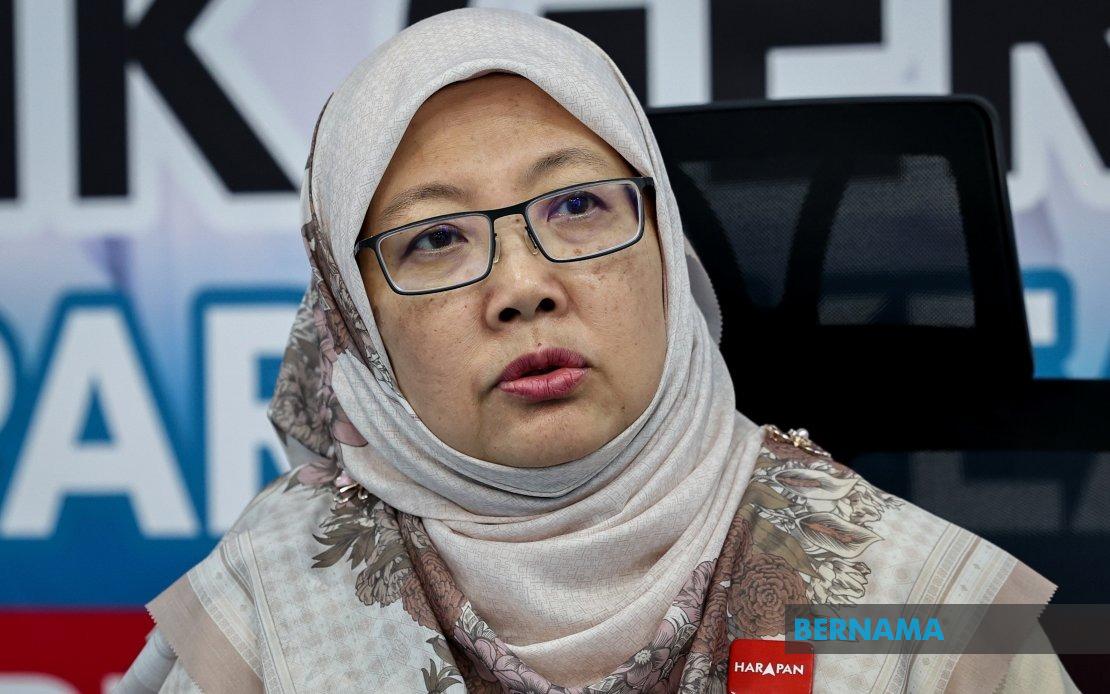
Pakatan Harapan has formally committed to preserving the Johor State Constitution 1895 and the sovereign authority of the Sultan of Johor in selecting the Menteri Besar, should the coalition succeed in securing a governing mandate in upcoming state elections. The declaration represents a strategic positioning by the opposition alliance as it prepares for electoral contest, deliberately deprioritising one of the most contentious aspects of state politics in favour of a policy-driven campaign narrative.
The assurance came through Johor PKR chairman Datuk Seri Dr Zaliha Mustafa, who emphasised that Pakatan Harapan viewed the appointment process as a constitutional matter separate from its electoral campaign. Rather than engaging in public contestation over who should occupy the chief minister's office, the coalition intends to redirect public discourse toward bread-and-butter issues affecting ordinary Johor residents. This tactical choice reflects broader calculations within the opposition about how to avoid defensive posturing on constitutional matters where the incumbent government holds institutional advantage.
Dr Zaliha's statement functioned as a direct rebuke to incumbent Menteri Besar Datuk Onn Hafiz Ghazi, who had publicly challenged Pakatan Harapan to announce its preferred candidate before the election. The sitting chief minister's gambit appeared designed to force the opposition into either naming a candidate—potentially creating divisions within the coalition—or remaining silent and appearing indecisive. By declining to take the bait, Pakatan Harapan sidestepped a trap while simultaneously framing the incumbent as preoccupied with political theatre rather than substantive governance.
The constitutional backdrop to this exchange deserves careful examination for Malaysian readers unfamiliar with Johor's unique political framework. Unlike most Malaysian states where the Menteri Besar is primarily accountable to the state legislature, Johor's 1895 constitution grants the Sultan significantly broader executive and appointive powers. This historical arrangement reflects Johor's legacy as a sultanate with deeper reserves of monarchical authority than other states. The constitution explicitly vests in the Sultan the discretion to select the Menteri Besar, a prerogative that persists even when the legislature holds a clear majority for a particular party or coalition.
For Johor voters, this constitutional reality creates genuine uncertainty about post-election outcomes. A coalition that wins a substantial electoral majority cannot simply claim an automatic right to form government or guarantee specific individuals ministerial positions. The Sultan ultimately retains discretionary power, meaning negotiations between elected representatives and the palace become integral to government formation. This dynamic distinguishes Johor politics from most other Malaysian states and explains why questions about who will become Menteri Besar take on heightened significance—the answer genuinely remains open until the Sultan decides.
Packatan Harapan's argument that multiple qualified leaders within its ranks could competently administer the state carries genuine weight. The coalition does encompass experienced administrators, former government officials, and established political figures across its constituent parties. However, this rhetorical position also permits the coalition to avoid the difficult internal negotiations required to designate a single frontrunner. By keeping options open, Pakatan Harapan maintains flexibility in post-election coalition negotiations with the Sultan and preserves internal party unity by not signalling preference for particular individuals who might face rivalry from competing factions.
The coalition's emphasis on policy priorities—improved living standards, employment creation, and economic development—represents a conscious choice to contest elections on competence and vision rather than personality and procedural matters. This approach assumes that Johor voters prioritise governance outcomes over the procedural mechanisms through which leaders achieve office. Whether this calculation proves correct depends substantially on whether the electorate perceives Pakatan Harapan as offering genuinely superior policy alternatives to the incumbent government's vision for the state's future.
Johor's economic significance within Malaysia adds weight to these policy debates. As a major manufacturing hub and crucial component of the southern growth corridor, the state's development trajectory affects employment and prosperity across a broad swathe of the peninsula. Port Klang connections, industrial zone management, and linkages to Singapore amplify the state's strategic importance. Consequently, debates about economic management and industrial policy in Johor carry implications extending beyond the state's boundaries, affecting Malaysian competitiveness in broader regional and global economic competition.
The incident also illuminates broader patterns in Malaysian political communication. Rather than direct confrontation on substantive policy disagreements, politicians frequently deploy procedural or constitutional challenges to test opponents' strength and resolve. The incumbent chief minister's push for Pakatan Harapan to name a candidate exemplified this approach—ostensibly a reasonable request for transparency, but functionally a pressure tactic designed to create internal coalition stress. Pakatan Harapan's refusal to engage with the frame demonstrates sophisticated political communication, treating the challenge as beside the point rather than dignifying it with direct response.
Looking forward, Johor's electoral dynamics will likely hinge more on bread-and-butter governance questions than on the procedural dramas surrounding chief ministerial appointment. Whether incumbent administration has effectively addressed unemployment, housing affordability, and public infrastructure quality will probably weigh more heavily in voters' calculations than constitutional niceties about appointment procedures. Pakatan Harapan's decision to emphasise this dimension rather than contest the appointment question on procedural grounds reflects confidence that public priorities align with its preferred campaign narrative.
The broader significance of this positioning extends to Southeast Asian political patterns more generally. In jurisdictions where constitutional monarchs retain genuine executive discretion, the relationship between electoral outcomes and government formation becomes more complex than simple majoritarianism. Malaysia's federal system and its state-level variations create precisely these complications, requiring astute political management that balances electoral legitimacy with constitutional propriety. Pakatan Harapan's approach to Johor suggests the coalition has internalised these lessons, choosing to contest elections on grounds where electoral mandates directly translate to influence rather than procedurally contested terrain where palace discretion ultimately prevails.

