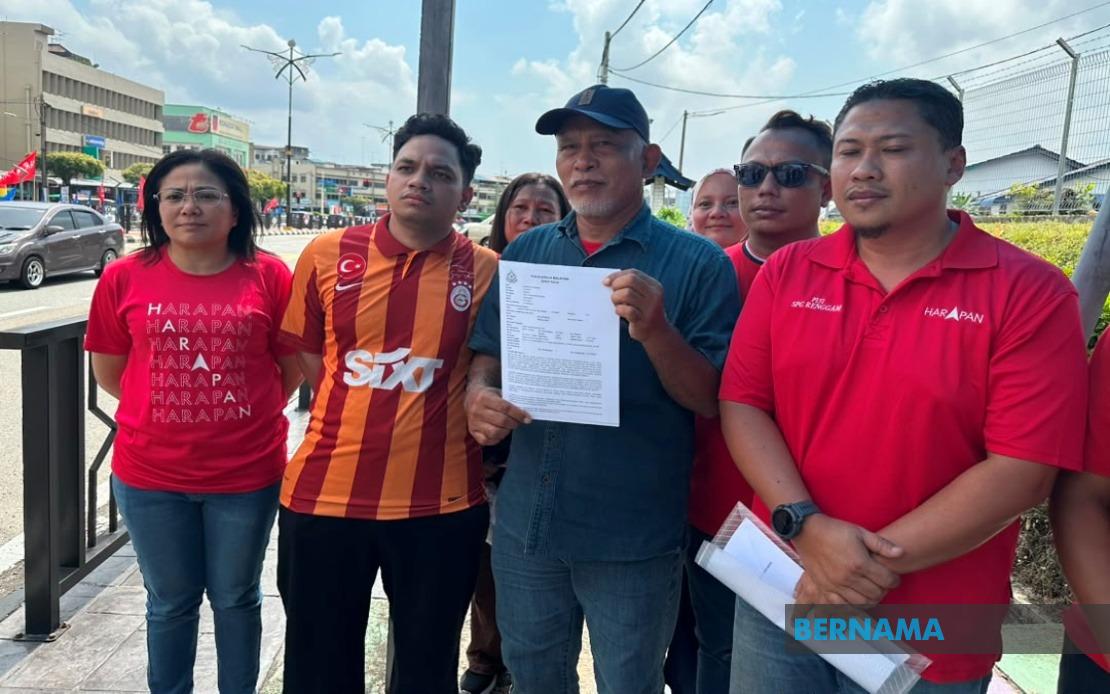
An official representing the Pakatan Harapan candidate for the Machap seat has lodged a formal complaint with police in Simpang Renggam, accusing Johor Menteri Besar Datuk Onn Hafiz Ghazi of orchestrating the improper use of Technical and Vocational Education and Training (TVET) students for campaign purposes. The allegation centres on activities carried out during the competitive Johor state election campaign, which saw tensions rise as both governing and opposition coalitions mobilised supporters across the state's 56 contested seats.
Khiru Nasir Rohani, who doubles as Simpang Renggam Amanah deputy division chief, presented evidence to officers at the district police headquarters, contending that students from state TVET institutions were systematically encouraged to participate in programmes designed to benefit Barisan Nasional contenders. According to his account, this orchestrated participation represented a deliberate attempt to artificially inflate attendance at campaign events and create the appearance of grassroots support for specific candidates. The claim suggests a degree of coordination across multiple educational institutions rather than isolated incidents.
The accusation hinges on an incident from July 4, when TVET students were reportedly required to attend a gathering in Kluang that subsequently became a platform for open political campaigning. Witnesses at the event allegedly observed candidates delivering speeches and directly soliciting support from the assembled young people, transforming what may have been framed as an educational or skills-related seminar into a partisan political rally. This blurring of institutional and electoral purposes forms the core of the misconduct allegations.
Khiru Nasir contended that such actions potentially breach multiple provisions of the Election Offences Act 1954, particularly those addressing undue influence and the improper exploitation of official position or educational structures for partisan advantage. These legal frameworks exist to prevent state resources and institutional authority from being weaponised during election periods, ensuring that democratic competition remains fair and that young citizens are not pressured through their educational institutions to support particular parties or candidates. The act recognises that students, particularly those still in vocational training programmes dependent on institutional support, occupy a vulnerable position in relation to educational administrators.
The complainant specifically urged three powerful institutions—the Royal Malaysia Police, the Malaysian Anti-Corruption Commission, and the Election Commission—to undertake comprehensive investigations into the allegations. This multi-agency approach reflects the seriousness with which such violations are typically treated, as they potentially undermine the integrity of the entire electoral process. Each body brings distinct investigative capabilities: the police can examine potential criminal offences, MACC can investigate potential corruption or abuse of position, and the Election Commission can assess whether specific electoral regulations were breached.
The timing of the complaint proved significant, arriving as the election campaign entered its final phase. A total of 172 candidates competed for the 56 available state assembly positions, with polling set to occur on Saturday. The late filing of the report meant that while it would likely influence public discourse and media coverage in the final campaign days, any substantive investigation would extend well beyond the election itself. This temporal element raises questions about whether voters would have full information about alleged misconduct before casting their ballots.
The incident highlights broader concerns within Malaysia's electoral ecosystem about the distinction between legitimate political engagement and improper pressure or incentivisation. Educational institutions, particularly those serving younger or more economically vulnerable populations, occupy a delicate position. TVET students, many of whom rely on government institutions for skills training and eventual employment prospects, may feel particular pressure to comply with directives from institutional authorities, even when framed as voluntary attendance at events.
From a regional perspective, such allegations reflect challenges common across Southeast Asia regarding the maintenance of electoral integrity when state apparatus and institutional networks intersect with campaign activities. Malaysia's established legal frameworks attempt to address these tensions, but enforcement depends heavily on investigative bodies acting with sufficient independence and rigour. Public confidence in election outcomes depends partially on perception that such safeguards function effectively and that violations are genuinely investigated rather than overlooked.
The Machap constituency contest itself would likely gain additional attention from these allegations, particularly if local media coverage emphasised the complaints against officials associated with one coalition. The accusation effectively positioned the election as not merely a competition between different policy visions, but potentially as a contest involving improper tactics and institutional abuse. Whether such allegations would ultimately influence voter behaviour remained uncertain, though they certainly shaped the information environment in which voting decisions were made.
The broader implications extended to questions about institutional accountability within Johor's administration. If investigations subsequently confirmed that TVET institutions had been mobilised for campaign purposes, it would suggest systematic involvement of educational bureaucracies in partisan activities—a development with significant consequences for public confidence in institutional neutrality. Conversely, if investigations found the allegations substantially without merit, that too would carry implications for political credibility, particularly given that Amanah represents the more progressive faction within Pakatan Harapan.

