The Philippine Department of Justice has launched a formal inquiry into the May 13 shooting incident at the Senate building and the circumstances surrounding Senator Ronald dela Rosa's departure from protective custody the following morning, with investigators focusing on the possible involvement of public officials in both episodes.
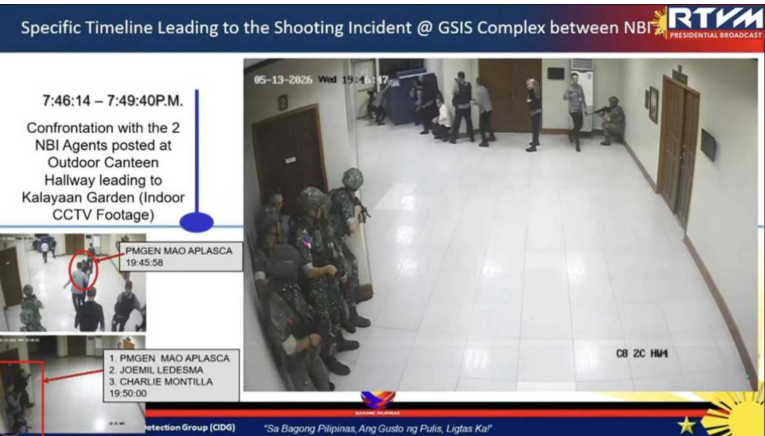
Justice Secretary Fredderick Vida disclosed that prosecutors assembled to examine the case have compiled preliminary findings from the National Bureau of Investigation, statements from journalists present at the scene, and security camera recordings. These materials show evidence that shots were discharged from inside the Senate building, specifically from its fifth floor, directed towards an identifiable vehicle belonging to the National Bureau of Investigation that was stationed at the Government Service Insurance System compound nearby.
The investigation remains in its active phase with work continuing across multiple fronts. Vida emphasised that while preliminary data has begun to emerge, the full scope of evidence requires thorough examination before formal determinations can be made. The department has assembled a prosecutorial panel dedicated to untangling the sequence of events and identifying any criminal conduct or violations of procedure that may have occurred.
When pressed about whether particular individuals have already come under investigation, Vida responded carefully, stating that no specific persons have yet been formally identified as investigative subjects. However, he acknowledged that the initial evidence points towards the involvement of numerous personalities occupying official government positions. This suggests the shooting and the senator's departure may involve coordination or knowledge among persons holding public office, raising questions about potential breaches of protocol or security failures at the highest institutional levels.
The Justice Secretary stressed the department's commitment to conducting the inquiry with professionalism and objectivity, free from external pressure or bias. In making this pledge, Vida appeared to acknowledge public concern that powerful officials might attempt to shield themselves or allies from accountability. He specifically warned that the investigation would proceed without favouritism towards any individual regardless of their status or connections.
Simultaneously, Vida underscored a fundamental principle of legal procedure applicable to the Philippine system: that no one should face judgment or condemnation until all available evidence has been systematically evaluated. This statement may signal concern that premature accusations could compromise the investigation or damage reputations without sufficient factual foundation, particularly given the sensitive nature of the incident and the likelihood that some individuals under scrutiny occupy significant institutional positions.
The May 13 shooting at the Senate represents an unprecedented security breach within one of the country's most protected venues, home to the upper chamber of the Philippine legislature. That shots could be fired from within the building towards vehicles outside raises troubling questions about security protocols and whether proper access controls were enforced. The subsequent escape of a sitting senator from protective custody compounds these concerns, suggesting possible coordination between parties with access to security operations or decisions about the senator's movements and protection arrangements.
For Malaysian observers, the incident illustrates the challenges that many Southeast Asian democracies face in maintaining institutional security and ensuring that official positions are not leveraged for personal protection or to obstruct justice. The involvement of public officials in what appears to be a significant breach—either in the shooting itself or in facilitating a protected person's departure from custody—signals potential corruption or abuse of official authority, issues that resonate across the region.
The composition of the investigating panel matters considerably for the credibility of the outcome. A prosecutorial team operating independently of political interference stands the best chance of following evidence wherever it leads, but in jurisdictions where the justice system is sometimes influenced by political considerations, such independence cannot be assumed. Vida's repeated emphasis on professionalism and objectivity may reflect awareness of public scepticism about whether truly impartial justice can be delivered when investigating officials.
The timing of events—the shooting on May 13 and the protective custody escape early on May 14—suggests potential connection rather than coincidence, though investigators have not yet publicly stated whether they believe the two episodes are causally linked. If the shooting was intended to create confusion or distraction to enable the senator's departure, that would represent a significantly more serious conspiracy than either incident in isolation.
As the investigation proceeds, the Department of Justice faces the dual challenge of pursuing truth rigorously while protecting the rights of those under scrutiny. The public nature of Vida's statements indicates the department recognizes the incident has captured broad attention and concerns among Filipino citizens about the integrity of state institutions. How thoroughly and transparently the investigation unfolds will significantly affect public confidence in the justice system's capacity to hold even powerful officials accountable.