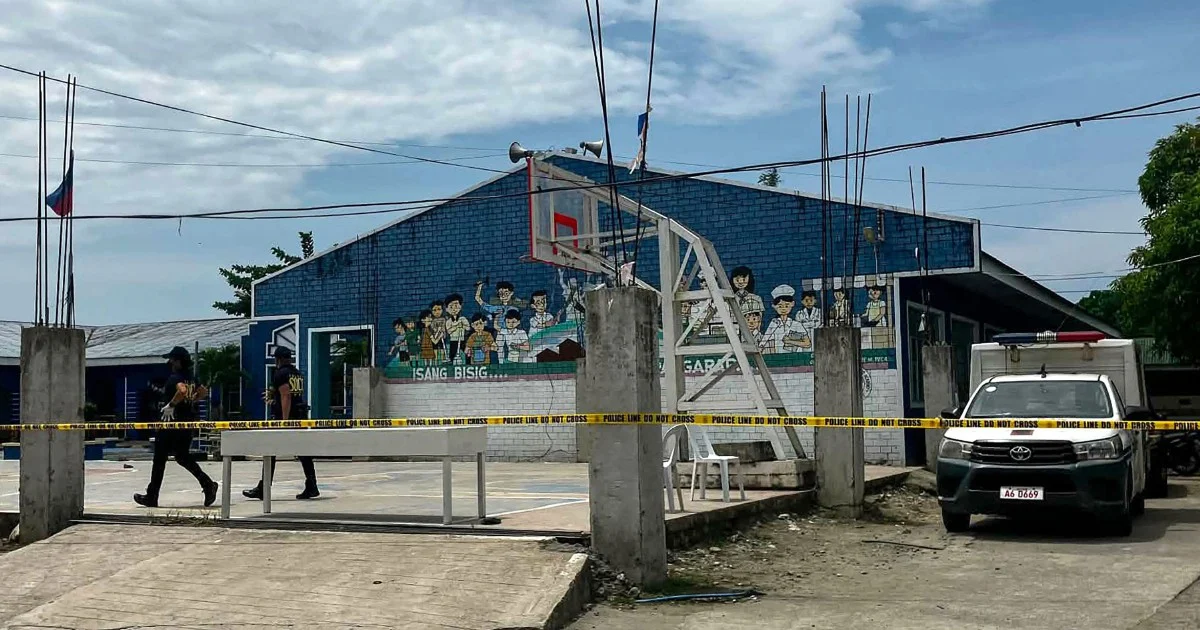
Philippine President Ferdinand Marcos Jr has initiated a formal investigation into a shooting incident at a Tacloban school that resulted in three fatalities and left five others wounded. The tragedy marks another concerning security incident in the Philippines and has prompted immediate presidential intervention to determine the circumstances surrounding the attack.
School violence remains a persistent challenge across the Asia-Pacific region, with the Philippines facing particular concerns around firearm access and security protocols at educational institutions. The Tacloban incident underscores vulnerability at schools despite the country's law enforcement efforts. This shooting represents the type of domestic security matter that directly impacts public confidence in government safety measures, especially for families whose children attend school in the region.
The presidential directive for an investigation signals the gravity with which the administration views such incidents. Marcos Jr's intervention at this level typically indicates the government will coordinate across multiple agencies to establish a comprehensive understanding of how the shooting occurred, who was responsible, and what systemic factors may have enabled the attack. Such probes often lead to policy recommendations regarding school security protocols, firearm regulations, and mental health screening procedures.
Tacloban, located in Leyte province on Visayas Island, has experienced various security challenges in recent years. The city serves as a commercial and educational hub for the Eastern Visayas region, making the incident's impact particularly significant for local communities. Incidents of this nature can have ripple effects across educational institutions throughout the province, potentially affecting school operations and student attendance as parents grapple with safety concerns.
The Philippines has grappled with questions about gun control and school security architecture for some years. Access to firearms remains relatively easier in certain areas compared to other Southeast Asian nations, creating distinct vulnerabilities. When such incidents occur, they often reignite national conversations about whether existing regulations adequately restrict weapons availability and whether schools possess sufficient security infrastructure, trained personnel, and emergency response protocols.
The five individuals injured in the Tacloban shooting face varying degrees of recovery ahead. The full extent of their injuries remains unclear from initial reports, but incidents of this magnitude typically involve a mix of physical trauma requiring immediate medical intervention and longer-term psychological support. Schools directly affected often employ counsellors and mental health professionals to assist traumatised students and staff members in processing the incident.
Presidential investigations of this nature generally involve coordination between local police units, the Philippine National Police's specialized divisions, and national security agencies. The investigation will seek to identify the shooter or shooters, establish motive, trace the weapon's origin, and determine whether security gaps at the institution contributed to the incident's severity. Public statements from the investigation often address whether the perpetrator had prior history indicating risk.
Such incidents carry broader implications for Southeast Asia's educational sector. As a region experiencing rapid economic development and urbanisation, countries across the bloc are simultaneously addressing how to maintain safe learning environments while respecting civil liberties and privacy rights. The Tacloban case will likely influence discussion among Philippines policy makers regarding whether current school security measures require strengthening, particularly in provincial areas with fewer resources than Manila.
The timing of Marcos Jr's intervention reflects contemporary governance expectations that high-profile violent incidents warrant presidential attention and resources. Immediate investigation helps authorities gather evidence while memories and physical traces remain fresh, potentially enabling more thorough accountability processes. Such rapid action also demonstrates responsiveness to public concern and signals that authorities treat school safety with appropriate seriousness.
Investigative processes in shooting incidents typically extend over weeks or months as agencies piece together timelines, interview witnesses, conduct forensic analysis of evidence, and review security footage if available. Preliminary findings may emerge relatively quickly, but comprehensive understanding of causation factors usually requires extended examination. Once completed, such investigations frequently inform policy adjustments affecting multiple government entities and educational institutions across the Philippines.
The incident resurrects familiar questions about how developing nations balance security requirements with educational accessibility and openness. Schools cannot function effectively if excessive militarisation inhibits their learning environment, yet inadequate security measures leave students and staff vulnerable. The investigation will inform how Tacloban and other Philippine institutions approach these competing concerns going forward.

