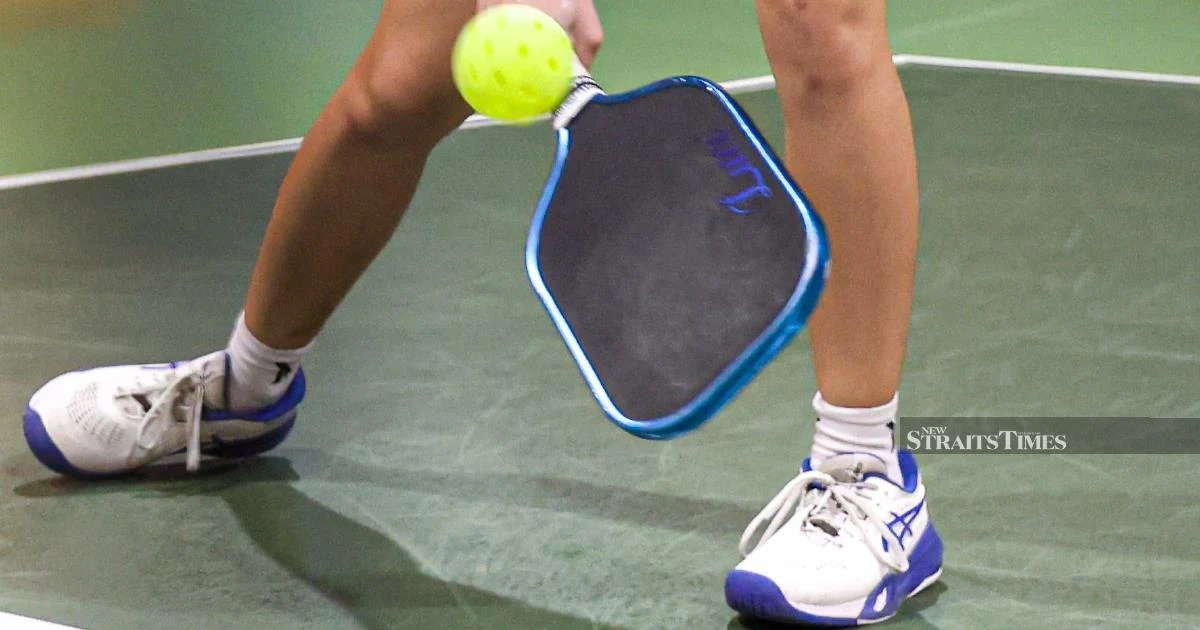
A contentious pickleball match in Petaling Jaya has exploded into public discourse, prompting residents and policymakers to reassess how local authorities manage recreational facility approvals and their compatibility with nearby housing developments. The incident, which gained considerable traction online, has exposed gaps in existing frameworks governing sports venues positioned in residential zones, where noise concerns and hours of operation remain inadequately addressed.
The sport has experienced explosive growth throughout Malaysia over the past three years, with enthusiasts appreciating its lower barrier to entry compared to tennis and its appeal to players of varying ages and abilities. However, this rapid expansion has outpaced regulatory infrastructure in many municipalities. Facilities have proliferated in urban and suburban areas without consistent standards for noise mitigation, lighting controls, or temporal restrictions—elements essential when courts operate adjacent to family neighbourhoods.
Petaling Jaya, one of the Klang Valley's most densely populated residential centres, has seen multiple pickleball venue openings over recent months. The viral incident occurred when residents discovered matches continuing well into the evening, generating noise levels that disrupted sleep patterns and domestic routines. Social media amplified their complaints, transforming a local grievance into a state-wide conversation about recreational development and neighbourhood quality of life.
Currently, the approval process for recreational facilities in most Malaysian municipalities varies considerably. Some councils apply comprehensive environmental impact assessments, while others operate under older regulations predating pickleball's popularity. This inconsistency means that developers in some jurisdictions face minimal scrutiny regarding noise profiles, operational hours, or traffic management when locating courts in residential precincts. The absence of standardised guidelines creates uncertainty for both business operators seeking clarity and residents seeking protection.
Industry advocates counter that responsible operators already implement noise-dampening technologies and reasonable operating hours. They argue that restricting court locations or setting early closing times disadvantages a growing recreational community and discourages sport participation among working professionals who access facilities during evening hours. This tension between community livelihood and neighbourhood tranquility reflects broader urbanisation challenges across Malaysia's metropolitan regions.
Local council representatives acknowledge the need for clearer governance structures. Several propose that future approvals incorporate mandatory acoustic assessments, particularly for facilities within 200 metres of residential buildings. Others suggest graduated operating hour restrictions, permitting daytime matches without limitation but requiring earlier evening closures in sensitive zones. Some councils are exploring noise threshold regulations adapted from construction industry standards, establishing measurable decibel limits during specific times.
The property sector notes that stricter facility regulations could affect residential development economics, as amenities like sports courts enhance property values and buyer appeal. Developers argue that blanket restrictions would limit mixed-use urban design, whereas targeted, well-crafted guidelines could accommodate both recreation and residential comfort. This perspective underscores the need for balanced policy rather than reactive prohibition.
Petaling Jaya's situation mirrors challenges in other rapidly evolving Malaysian suburbs where entertainment venues, fitness facilities, and sports complexes have clustered around residential clusters. Selangor state authorities are reportedly examining whether existing local government bylaws adequately address noise complaints and whether enforcement mechanisms possess sufficient teeth to compel compliance when violations occur.
Regional comparisons offer instructive examples. Singapore's Sports Hub operates under strict zoning regulations separating intensive recreational use from residential areas, with separate noise standards for different times and facility types. Australia's local councils typically require detailed acoustic reports before approving sports facilities near homes, with enforceable sound limits measurable in real-time. Such frameworks, adapted for Malaysian contexts, could inform policy development.
Experts suggest that effective regulation requires coordination across multiple government tiers. The federal government could establish baseline standards, while state governments define regional variations based on local character and demography. Councils then enforce these standards through permit conditions, regular audits, and responsive complaint mechanisms. This cascading approach balances consistent principles with local flexibility.
The Petaling Jaya incident also highlights community engagement gaps. Many venue operators operate without substantial neighbourhood consultation, learning about concerns only when disputes escalate publicly. Mandatory pre-opening stakeholder engagement sessions, where operators present operational plans to affected residents, could prevent conflicts and build goodwill. Such dialogue might reveal practical compromises—staggered court bookings, acoustic barriers, or seasonal hour adjustments—satisfying multiple interests.
As Malaysia continues urbanising and recreational preferences diversify, the nation's governance structures must evolve correspondingly. The pickleball controversy, while seemingly narrow in scope, exemplifies broader questions about how councils balance economic activity with residential quality of life. Moving forward, clearer guidelines, enhanced enforcement capacity, and genuine community participation could transform facilities like pickleball courts from neighbourhood flashpoints into genuinely integrated recreational assets that strengthen rather than strain residential communities.
Stakeholders expect that ongoing discussions will culminate in revised council guidelines within coming months, establishing clearer standards for residential-zone facility approvals while preserving opportunities for recreational sport expansion across Malaysia's evolving urban landscape.

