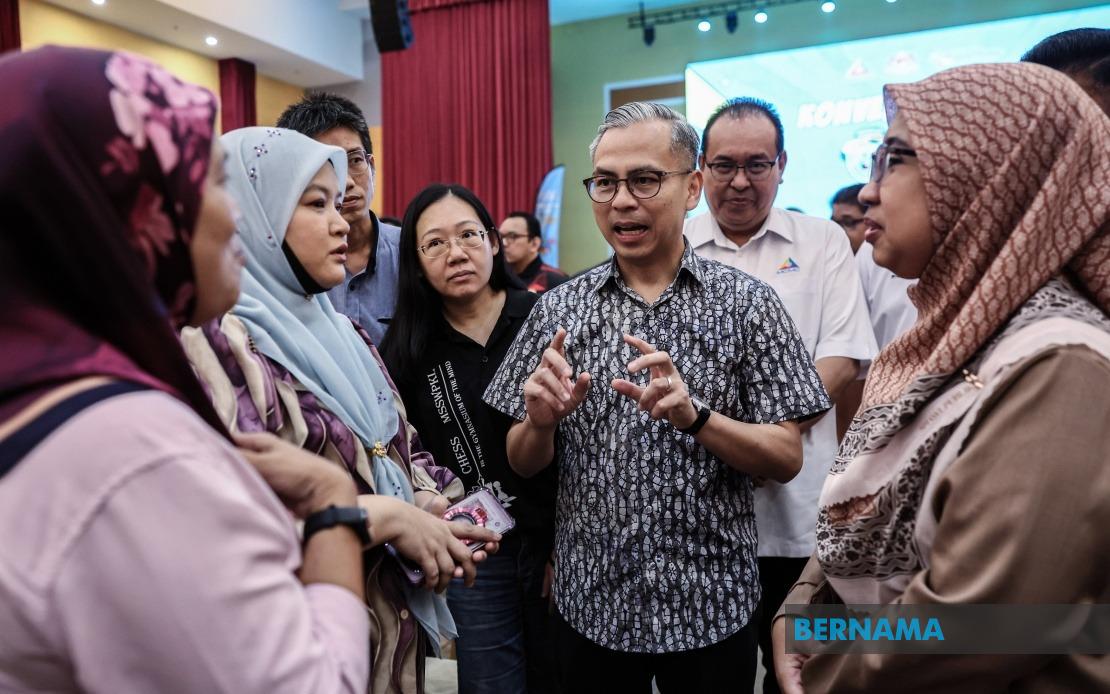
PKR has sanctioned a temporary leave arrangement for Nurul Izzah Anwar, the party's deputy president, allowing her to step back from her position to concentrate on personal matters and doctoral research. The decision emerged during a press briefing in Kuala Lumpur on Thursday, with PKR Information Chief Datuk Seri Fahmi Fadzil emphasizing that the move does not impair the party's administrative machinery or strategic direction. Vice-president Datuk Seri Saifuddin Nasution Ismail has been entrusted with assuming her responsibilities during this interim period, ensuring continuity in the party's governance structures.
The PKR Central Leadership Council chose to reject Anwar's formal resignation request, instead acceding to her plea for temporary withdrawal from the role. This nuanced approach reflects the party's intention to retain her formal membership and future involvement while accommodating her immediate need to redirect her focus. Fahmi's clarification that Anwar will persist as a functioning party member and continue contributing to PKR's ideological mission suggests the leave is not perceived as a diminishment of her status or standing within the coalition.
The timing of this decision intersects with broader questions about PKR's parliamentary representation and electoral preparations. Speculation has circulated regarding whether Subang MP Wong Chen intends to relinquish his seat, though Fahmi declined to confirm or elaborate on unverified reports. Any such development would require formal notification through Dewan Rakyat Speaker Tan Sri Johari Abdul, a procedural safeguard that underscores the institutional layers governing parliamentary transitions in Malaysia's system.
For Malaysian politics observers, Anwar's move carries significance within the ruling coalition's stability calculations. The Unity Government depends on maintaining cohesion across its constituent parties while managing internal demands from ambitious leaders. By accommodating Anwar's pursuit of higher education, PKR demonstrates flexibility in retaining talent for future phases of governance, particularly given her familial connection to Prime Minister Datuk Seri Anwar Ibrahim and her position as a long-standing party figure.
Fahmi used the occasion to dismiss circulating theories that the next general election might occur ahead of schedule. He affirmed that no accelerated electoral timeline exists under current planning, with the government anticipating polls by the end of 2026 at the latest. This measured statement aims to project administrative continuity and focus on implementing the policy agenda rather than succumbing to speculation about political opportunism or instability.
The broader legislative agenda takes precedence in government messaging at present. Fahmi highlighted the federal administration's commitment to executing recommendations from the Royal Commission of Inquiry into Lembaga Tabung Haji's operations spanning 2014 to 2020, a significant undertaking given the religious and socioeconomic importance of the institution to Muslim Malaysians. This emphasis signals that the administration intends to address accumulated institutional grievances systematically rather than allowing them to fester as political pressure points.
Unity Government cohesion remains contingent upon the coalition's component parties sustaining their commitment to Prime Minister Anwar Ibrahim's tenure and reform initiatives. Fahmi's remarks reflecting on the shared dedication across Pakatan Harapan and the broader coalition acknowledge the political capital required to maintain such arrangements, particularly as electoral deadlines approach. The implicit recognition that member parties require reassurance about continued collaboration and priority allocation suggests underlying tensions that periodic reinforcement helps manage.
The anticipated announcements from the Prime Minister, which Fahmi cryptically referenced as beneficial for both citizens and the nation, remain unspecified. Such forward-looking statements often precede policy unveilings or structural adjustments designed to demonstrate responsiveness to public concerns. For Malaysian observers tracking governance developments, such hints warrant attention as indicators of the administration's perceived priorities and messaging strategy.
Anwar's academic pursuits through doctoral study represent a longer-term professional development trajectory that may eventually reshape her political positioning. In Malaysian politics, credentials from international institutions frequently enhance a leader's intellectual standing and international credibility. The party's willingness to accommodate this educational investment suggests confidence in her continued relevance and potential future roles within PKR's leadership architecture.
The announcement also reflects evolving expectations regarding work-life balance and professional development within Malaysia's political class. By granting leave rather than demanding continuous presence, PKR signals modernized approaches to leadership obligations, though questions persist about whether such accommodations are uniformly available across the party's membership or reserved for elite figures. This potential disparity in access to such flexibility may carry implications for internal party dynamics and member satisfaction.
From a regional perspective, Malaysia's coalition government navigating leadership transitions and institutional reforms while maintaining electoral credibility offers lessons about managing competing pressures. The temporary leave arrangement demonstrates an attempt to balance retaining experienced figures against accommodating their evolving priorities—a balancing act relevant across Southeast Asian democracies grappling with generational leadership transitions.

