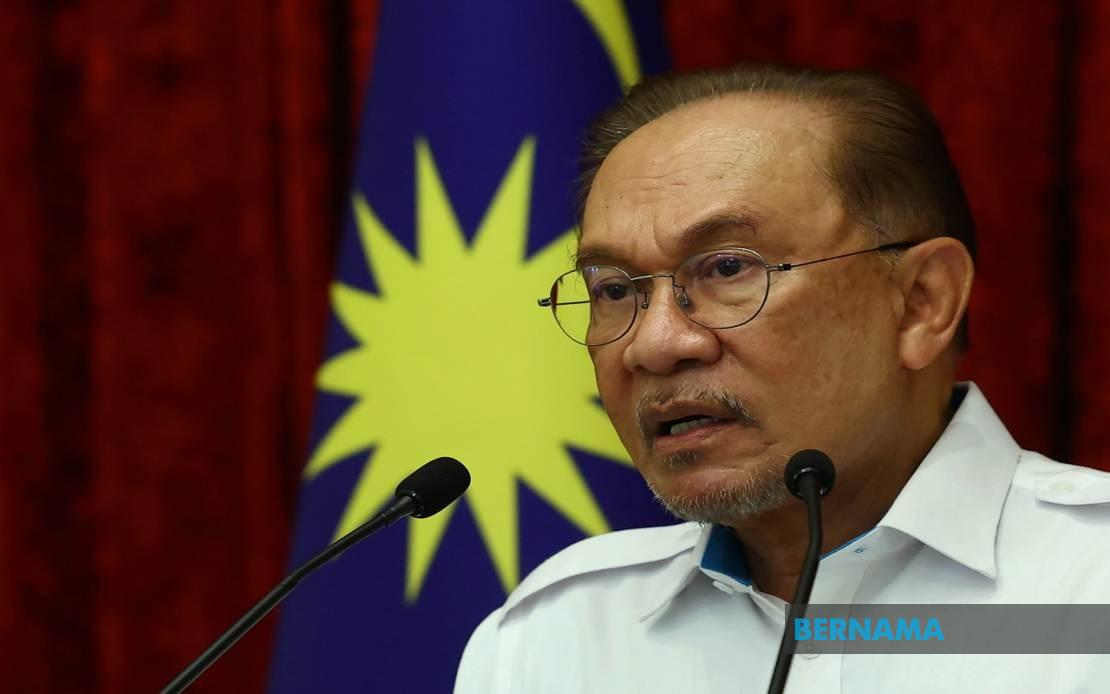
Prime Minister Datuk Seri Anwar Ibrahim has conveyed his regrets at being unable to attend the Dewan Rakyat's special sitting on a crucial day devoted to examining the Royal Commission of Inquiry report on Tabung Haji, one of Malaysia's most important Islamic financial institutions. The absence, announced through his senior press secretary Tunku Nashrul Abaidah, reflects the Prime Minister's current health situation as he continues recuperation following a surgical procedure earlier this month.
The RCI debate represents a significant parliamentary moment, particularly given the heightened public attention surrounding Tabung Haji's governance and financial management. The inquiry's findings carry implications for millions of Malaysian pilgrims whose savings are held by the institution, and the parliamentary discussion was expected to generate substantial scrutiny of management practices and regulatory oversight. Anwar's inability to be present during this debate underscores the serious nature of his medical situation, though his office emphasised his commitment to remaining engaged with the proceedings despite his physical absence.
According to Tunku Nashrul's statement, the Prime Minister remains determined to follow the parliamentary discussion closely, signalling his intention to stay informed on developments affecting one of Malaysia's most sensitive religious and financial institutions. This monitoring reflects both the political importance of the Tabung Haji matter and Anwar's personal commitment to safeguarding public trust in institutions that serve Malaysia's Muslim community. The Prime Minister's statement included prayers that the special sitting would proceed smoothly and that lawmakers would conduct their deliberations with the seriousness the subject demands.
Anwar's medical team provided additional details regarding his condition, with lead physician Datuk Dr Asri Ranga Abdullah Ramaiah confirming that the Prime Minister had undergone an elective laparoscopic surgical procedure to address a para-umbilical hernia. This relatively routine surgical intervention, while requiring proper recovery time, is not considered a severe health issue by medical standards. However, the procedure does necessitate a period of physiotherapy and supervised rehabilitation, which has temporarily confined the Prime Minister to treatment rather than full parliamentary duties.
The Prime Minister's office reported that his health condition is showing positive trajectory, with recovery progressing according to medical expectations. Anwar is continuing scheduled physiotherapy sessions under the care of a specialised medical team, a standard component of post-operative management for this type of procedure. The emphasis on ongoing supervision reflects a cautious approach to ensuring complete recovery before resuming full official duties, which involve demanding physical and mental demands.
Anwar's 79th birthday, celebrated just before the special sitting, generated considerable public well-wishes and prayers from various segments of Malaysian society. The Prime Minister's statement thanked citizens who had offered greetings and expressed good wishes for his health and recovery during this milestone. These gestures of public concern underscore the personal connection many Malaysians feel toward their Prime Minister, transcending the usual political divisions that characterise parliamentary discourse.
The Tabung Haji RCI itself carries significant consequences for Malaysia's Islamic financial landscape and the millions of pilgrims whose funds are managed by the institution. The special parliamentary sitting dedicated to debating the RCI report suggests lawmakers and the public expect substantial findings that warrant focused discussion at the highest legislative level. Tabung Haji's role as a major savings and pilgrimage financing vehicle for Malaysian Muslims makes governance questions particularly sensitive, as mismanagement directly affects ordinary Malaysians' ability to perform the Hajj pilgrimage.
Anwar's inability to be physically present during this important debate, while his staff monitors developments on his behalf, illustrates how medical circumstances can temporarily restrict even the nation's most senior leaders. The political and administrative machinery continues functioning during such absences, with parliamentary procedures designed to ensure discussions proceed regardless of individual members' availability. Nevertheless, the Prime Minister's stated intention to follow developments closely indicates he intends to maintain awareness of parliamentary outcomes regarding Tabung Haji.
The incident also highlights broader questions about institutional continuity and succession planning in Malaysia's governance structure. When top leadership faces temporary health challenges, constitutional and administrative frameworks ensure governance continues uninterrupted. The smooth functioning of parliament's special sitting despite the Prime Minister's absence demonstrates the resilience of Malaysia's legislative institutions, though the Prime Minister's participation would have carried additional symbolic weight given the issue's significance to the Muslim community.
Looking forward, Anwar's recovery progress will likely determine when he can resume full parliamentary participation and official functions. The Prime Minister's commitment to monitoring the Tabung Haji debate from his recovery setting suggests he intends to remain engaged with critical policy matters even during his medical absence. The broader implication is that despite temporary health setbacks, Malaysia's political leadership remains focused on addressing institutional governance issues that directly affect the financial security and religious obligations of millions of Malaysian citizens.

