Prime Minister Datuk Seri Anwar Ibrahim is set to undertake a two-day working visit to Brunei beginning August 21, during which he will participate in the 27th Annual Leaders' Consultation, a cornerstone meeting between Malaysia's and Brunei's top leadership. The consultation represents the most senior diplomatic engagement mechanism available to both nations, serving as the platform through which fundamental issues affecting bilateral and regional relations are addressed at the highest levels of government.
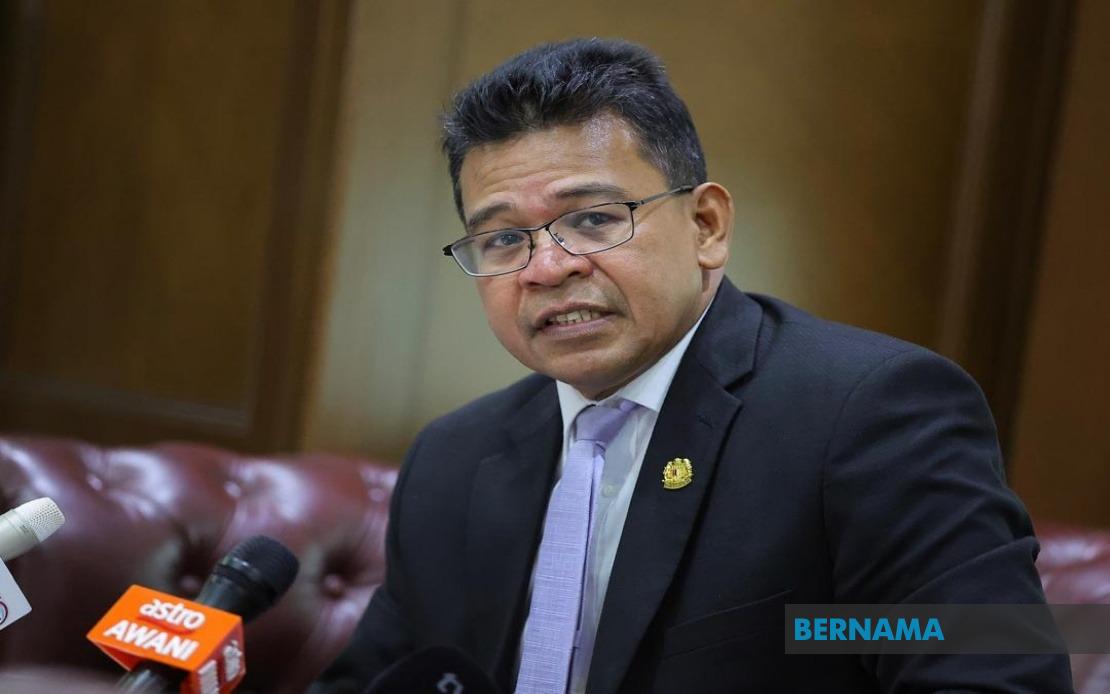
During his time in Brunei, Anwar will meet with Sultan Hassanal Bolkiah to conduct a comprehensive review of the progress achieved in bilateral relations and cooperative frameworks established between the two countries. Malaysian High Commissioner to Brunei Datuk Mohd Aini Atan emphasized at a press conference that this annual meeting allows both leaders to take stock of shared accomplishments and to chart the course for future collaboration across multiple sectors. The timing of such consultations reflects the importance that both Kuala Lumpur and Bandar Seri Begawan place on maintaining robust dialogue and strategic alignment.
The relationship between Malaysia and Brunei extends back four decades, having been formally institutionalized since 1984. As adjacent nations within the ASEAN framework, they have cultivated what officials describe as a particularly close and special partnership characterized by regular engagement and mutual support on regional and international platforms. Beyond strictly bilateral concerns, Anwar and Sultan Hassanal Bolkiah are expected to exchange perspectives on broader geopolitical developments and shared challenges affecting Southeast Asia and the wider international community.
A significant outcome anticipated from the consultation involves the formalization of expanded cooperation in disaster management. Malaysian and Bruneian ministers will sign a new Memorandum of Understanding addressing this critical area, recognizing that both nations face comparable vulnerabilities to natural hazards and environmental emergencies. Such agreements reflect a pragmatic acknowledgment that transnational challenges require coordinated regional responses, and that proximity and shared maritime interests create mutual dependencies in crisis response capabilities.
The Prime Minister's delegation demonstrates the high-level commitment Malaysia is placing on this engagement. Accompanying Anwar will be Foreign Minister Datuk Seri Mohamad Hasan, whose presence underscores the diplomatic significance of the visit. Additionally, the chiefs of Malaysia's two largest East Malaysian states—Sarawak Premier Tan Sri Abang Johari Tun Openg and Sabah Chief Minister Datuk Seri Hajiji Noor—will travel with the delegation, signalling that the relationship carries implications for Malaysia's broader federal structure and regional development priorities. Minister of Investment, Trade and Industry Datuk Seri Johari Abdul Ghani rounds out the party, indicating that economic dimensions feature prominently in the bilateral agenda.
Preceding the formal leaders' consultation, Foreign Minister Mohamad Hasan will chair the 27th Malaysia-Brunei Exchange of Letters Implementation Meeting jointly with Brunei's Second Minister of Foreign Affairs, Datuk Seri Setia Erywan Mohd Yusof on August 21. This preparatory session will assess the implementation progress of agreements reached during the previous year's 26th Annual Leaders' Consultation held in Putrajaya, allowing both governments to evaluate performance against established benchmarks and identify areas requiring renewed attention or adjustment.
Trade figures underscore the material substance underpinning the bilateral relationship. During 2025, Malaysia-Brunei commerce totalled RM5.86 billion, with Malaysian exports accounting for RM4.20 billion against imports valued at RM1.66 billion. This asymmetry reflects Malaysia's position as a significant supplier of manufactured goods and processed materials to its smaller neighbour. In the first half of 2026 alone, bilateral trade reached RM2.38 billion, indicating a sustained momentum in commercial exchange despite the modest absolute scale compared with Malaysia's major trading relationships elsewhere.
For Malaysian policymakers, the Brunei visit carries particular relevance given the sultanate's strategic location on northern Borneo and its role within ASEAN's decision-making structures. Brunei, despite its limited population and economy, commands attention due to its substantial hydrocarbon wealth, its historical significance, and its consistent participation in regional forums. The consultation provides Malaysia with an opportunity to ensure alignment on ASEAN positions and to reinforce bilateral ties that have generally remained stable and uncomplicated compared with some of Malaysia's other regional relationships.
From a Malaysian business perspective, Brunei represents both a market for exports and a partner in regional supply chains. The sultanate's development priorities and infrastructure investments can create opportunities for Malaysian companies, particularly in construction, services, and technology sectors. The government delegation's composition, including the trade minister, suggests that enhancing commercial links and identifying new sectors for cooperation will form part of the substantive discussions.
The timing of this consultation also reflects broader patterns of Southeast Asian engagement. As regional powers and extra-regional actors intensify competition for influence in the region, smaller nations like Brunei maintain their importance as stakeholders in ASEAN consensus-building and as participants in regional architectures. Malaysia's regular high-level engagement with Brunei demonstrates the importance of maintaining cohesion among ASEAN members and of preserving bilateral relationships that form the foundation of regional stability.
Looking forward, observers will likely scrutinize the outcomes of the consultation for indications regarding Malaysia's strategic priorities within ASEAN, its approach to regional economic integration, and its positioning on international issues ranging from South China Sea maritime concerns to broader geopolitical tensions. The disaster management MoU suggests both nations recognize the need to strengthen practical cooperation in areas affecting citizens' security and welfare, an agenda likely to feature in future multilateral forums as climate-related risks intensify across Southeast Asia.

