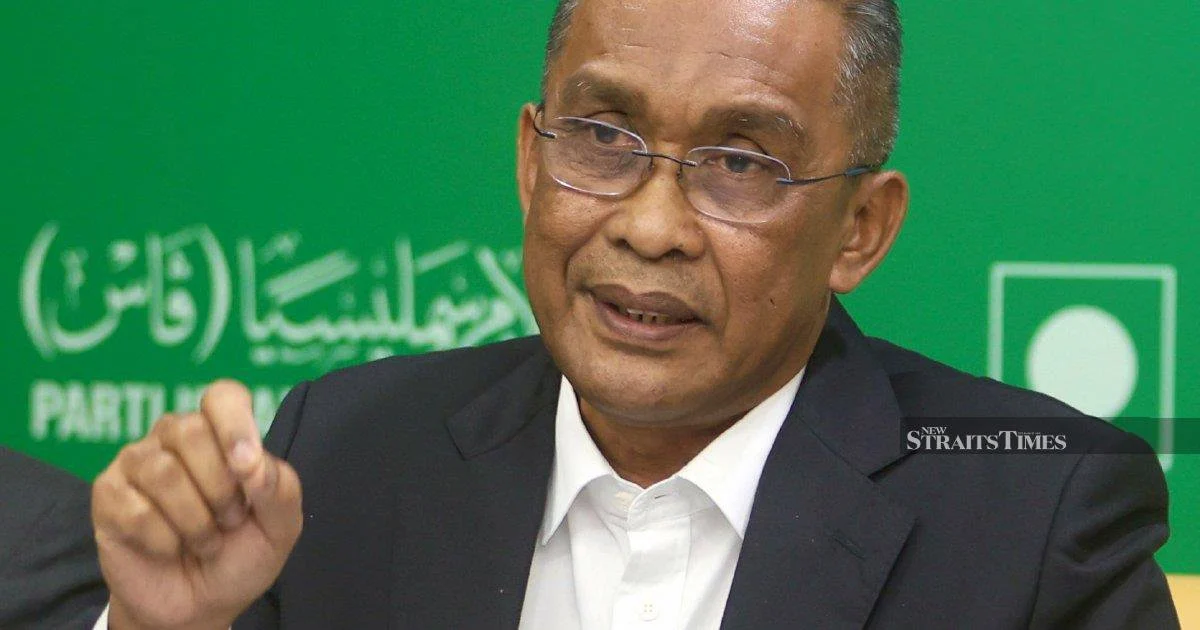
The Registrar of Societies has formally confirmed the leadership transition within Perikatan Nasional (PN), establishing a clear governance framework that vests significant authority in the coalition's new chairman. Under this restructured arrangement, Datuk Seri Dr Ahmad Samsuri Mokhtar now holds the power to approve all activities and meetings conducted under the PN banner, a development that marks a consolidated shift in the coalition's operational control.
This official recognition by Malaysia's regulatory body provides legal clarity to the power dynamics within the opposition alliance. The confirmation process underscores the formal nature of corporate and political governance in Malaysia, where even informal coalition arrangements must comply with statutory requirements. The Registrar's role in validating such transitions highlights the institutional framework through which major political reorganisations are legitimised and made binding under Malaysian law.
The requirement for chairman's consent applies comprehensively across PN's spectrum of political operations. Whether component parties wish to organise public rallies, conduct internal meetings, issue joint statements, or pursue collaborative policy initiatives, all such activities must now be vetted and authorised at the highest level. This centralisation of approval authority represents a departure from potentially more decentralised decision-making structures and could reshape how the coalition coordinates between its member parties, which include PAS, PKR's faction, Bersatu, and other affiliated groups.
For Malaysian political observers and stakeholders, this formalisation carries implications for PN's internal cohesion and strategic direction. The consolidation of approval powers provides clarity on accountability and decision-making hierarchies, potentially streamlining coordination on key policy positions and public messaging. However, it also means that member parties must navigate heightened bureaucratic requirements, potentially slowing the coalition's ability to respond rapidly to political developments or organise spontaneous grassroots mobilisation.
The Registrar's confirmation also reflects broader patterns of institutional oversight in Malaysia's political system. Unlike some democracies where political coalitions operate with minimal structural regulation, the Malaysian approach embeds them within formal legal frameworks. This ensures transparency and provides mechanisms for scrutiny, though it can also create friction points when member parties hold divergent views on strategic decisions that require centralised approval.
Ahmad Samsuri's authority extends beyond mere ceremonial responsibilities, positioning him as the primary gatekeeper for PN's public and internal activities. This concentration of power at the chairman level may enhance the coalition's ability to present a unified front on critical matters, particularly as Malaysia approaches major electoral contests and legislative challenges. The clarity provided by RoS confirmation also prevents ambiguity around which leaders possess legitimate authority to commit the coalition to positions or agreements.
The timing of this formal confirmation comes as PN continues to navigate its role within Malaysia's complex political landscape. The coalition has undergone various permutations and realignments in recent years, and establishing firm governance structures represents a stabilisation effort. For member parties, understanding these approval mechanisms becomes crucial for planning their political activities and ensuring compliance with coalition-wide requirements.
Regionally, Malaysia's structured approach to political coalition governance offers contrasts with the more fluid and informal arrangements seen in some neighbouring democracies. The involvement of a statutory body in confirming leadership transitions reflects Malaysia's commitment to institutional regularity, even within opposition formations. This regulatory discipline can enhance confidence in the formal legitimacy of the coalition's operations.
The implications for PN's supporters and affiliated organisations are equally significant. Civil society groups, professional associations, and grassroots movements seeking to coordinate with PN on specific initiatives must now direct such engagement through the chairman's office. This centralisation may either facilitate more efficient coordination or potentially create bottlenecks depending on how Ahmad Samsuri's administration manages the approval process.
Looking forward, Ahmad Samsuri's tenure as chairman will be measured partly by his ability to balance centralised authority with the legitimate autonomy interests of PN's component parties. The Registrar's confirmation provides the legal scaffolding for his leadership, but the practical success of PN's governance will depend on how this approval authority is exercised in responding to the coalition's strategic challenges and member parties' aspirations.

