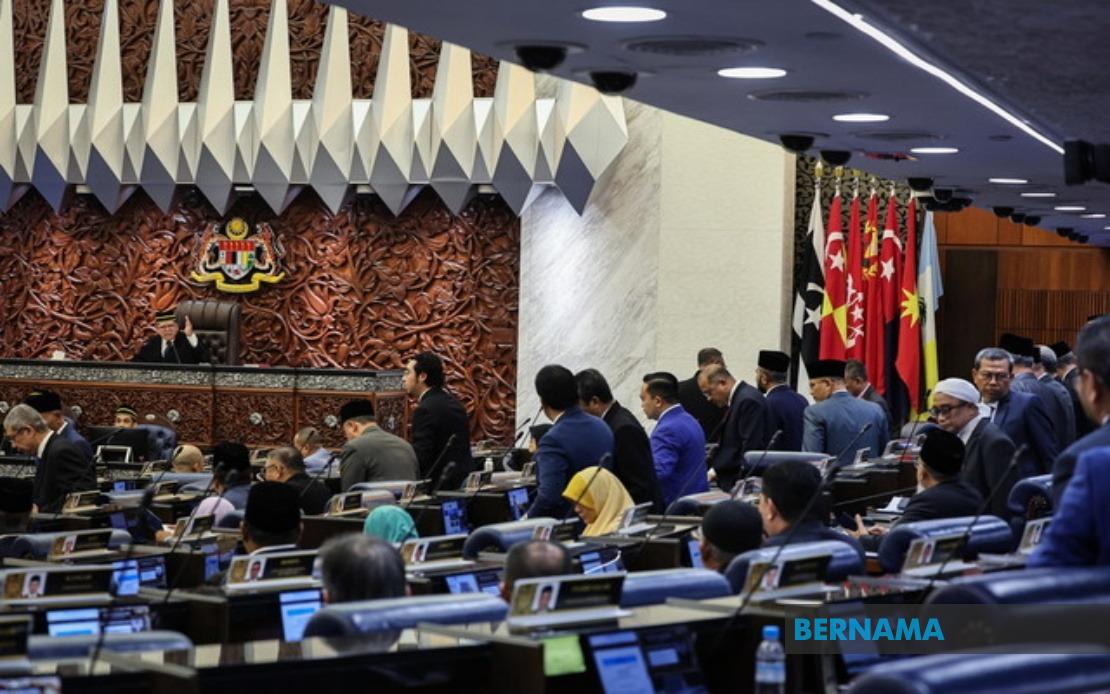
Opposition Leader Datuk Seri Hamzah Zainudin led a significant parliamentary walkout yesterday as Perikatan Nasional MPs abandoned the Dewan Rakyat rather than participate in debate on the Royal Commission of Inquiry report into Lembaga Tabung Haji. The coordinated withdrawal represented a striking show of dissent during what was intended as a special sitting dedicated to scrutinising the findings of an inquiry that has drawn considerable public attention following its release last month.
Among those who departed the chamber alongside Hamzah were PN Chief Whip Datuk Seri Takiyuddin Hassan and PN chairman Datuk Seri Dr Samsuri Mokhtar, underscoring the calculated nature of the action. The walkout involved a broad cross-section of the opposition coalition, with multiple PAS legislators—including Datuk Rosol Wahid from Hulu Terengganu, Mohd Syahir Che Sulaiman of Bachok, Dr Halimah Ali representing Kapar, and Datuk Siti Zailah Mohd Yusoff from Rantau Panjang—departing in unison. Additional opposition members Datuk Wan Saifulruddin Wan Jan, Wan Ahmad Fayhsal Wan Ahmad Kamal, and Datuk Seri Dr Ronald Kiandee also quit the proceedings.
The scale of the boycott became apparent when only a handful of opposition-aligned MPs chose to remain and engage with the day's business. Notably, Datuk Dr Radzi Jidin from Putrajaya and Langkawi's Datuk Mohd Suhaimi Abdullah, both Bersatu members, stayed behind, suggesting some fracturing within the opposition camp on the appropriate response to proceedings. This division hinted at deeper tensions within PN regarding parliamentary tactics and the messaging the coalition wished to project.
The immediate catalyst for the walkout lay with procedural concerns raised by Takiyuddin, who moved to adjourn the special sitting in light of notable absences from the government benches. Prime Minister Datuk Seri Anwar Ibrahim and Deputy Prime Minister Datuk Seri Fadillah Yusof were both absent due to ongoing medical treatment, removing the senior government figures who would normally lead government perspectives in such debates. The opposition seized on these absences as rendering the sitting untenable, effectively preventing substantive parliamentary engagement on matters the government had itself placed before the legislature.
The Tabung Haji inquiry represents one of the most significant recent examinations of the pilgrimage fund's governance, with implications stretching well beyond parliamentary procedure. Released publicly on July 29, the commission's findings laid bare operational and management weaknesses spanning the 2014 to 2020 period, a six-year window that encompasses both previous and current administrations. That timeline is politically significant, as it encompasses periods when different coalitions controlled government, potentially affecting how various parties might interpret and weaponise the report's conclusions.
The commission delivered twenty-five recommendations aimed at rectifying identified deficiencies in how Tabung Haji operates. By July 30, the fund had already implemented approximately three-quarters of these suggestions, demonstrating either a degree of proactivity or a desire to demonstrate responsiveness to the inquiry's criticisms. The relatively swift implementation rate could suggest that many weaknesses identified were already recognised internally, or it may reflect preparatory work undertaken during the inquiry process itself. For Malaysian investors and pilgrims reliant on Tabung Haji services, such corrective action carries considerable weight given the fund's centrality to hajj financing and savings schemes.
From a parliamentary perspective, the decision to conduct a special sitting explicitly devoted to the RCI report represented the government's acknowledgment of public and political interest in its contents. Creating dedicated parliamentary time signals that the matter merits detailed legislative scrutiny rather than passing reference in routine sittings. The opposition's refusal to participate, therefore, carries political messaging that extends beyond mere procedure. By boycotting rather than engaging, PN MPs signalled that they viewed the exercise as compromised or insufficiently substantive without senior government representation, or alternatively, that they wished to avoid lending legitimacy to proceedings they considered theatrically incomplete.
For Malaysian observers of parliamentary dynamics, the incident illustrates ongoing tactical divisions between government and opposition on how to manage oversight and accountability mechanisms. The opposition's walkout prevented the kind of cross-examination and questioning that special sittings typically facilitate, depriving both the government and the public of parliamentary debate that might have clarified ambiguities in the RCI's findings or explored implications the commission itself did not address. Simultaneously, the walkout served opposition messaging objectives by highlighting the absence of key government figures and potentially positioning PN as principled custodians of parliamentary standards unwilling to participate in what they framed as incomplete proceedings.
The Tabung Haji matter remains consequential for Malaysian financial oversight more broadly. As one of the nation's largest Islamic financial institutions with assets managed for millions of pilgrims and investors, institutional weaknesses in its governance structure carry systemic implications. The willingness of parliamentary opposition to engage substantively with remedial mechanisms—or to boycott such engagement—influences public confidence in government capacity to address institutional deficiencies transparently and thoroughly. The walkout thus represents not merely parliamentary theatre but a lost opportunity for the kind of robust questioning that oversight mechanisms depend upon to function effectively.
Looking forward, whether opposition MPs eventually engage with Tabung Haji governance issues through alternative parliamentary forums remains uncertain. The special sitting offered a focused occasion for debate; its abandonment by opposition members suggests that PN preferred to avoid lending credibility to the exercise under current circumstances, though whether this reflects principled objection or tactical calculation remains ambiguous. The government, meanwhile, faces pressure to reconvene discussions under conditions the opposition finds acceptable, or to demonstrate through other means that Tabung Haji governance shortcomings are receiving adequate attention and remediation. For Malaysian stakeholders in the fund, the parliamentary dysfunction underscores broader questions about the robustness of institutional oversight mechanisms when political divisions override procedural cooperation.

