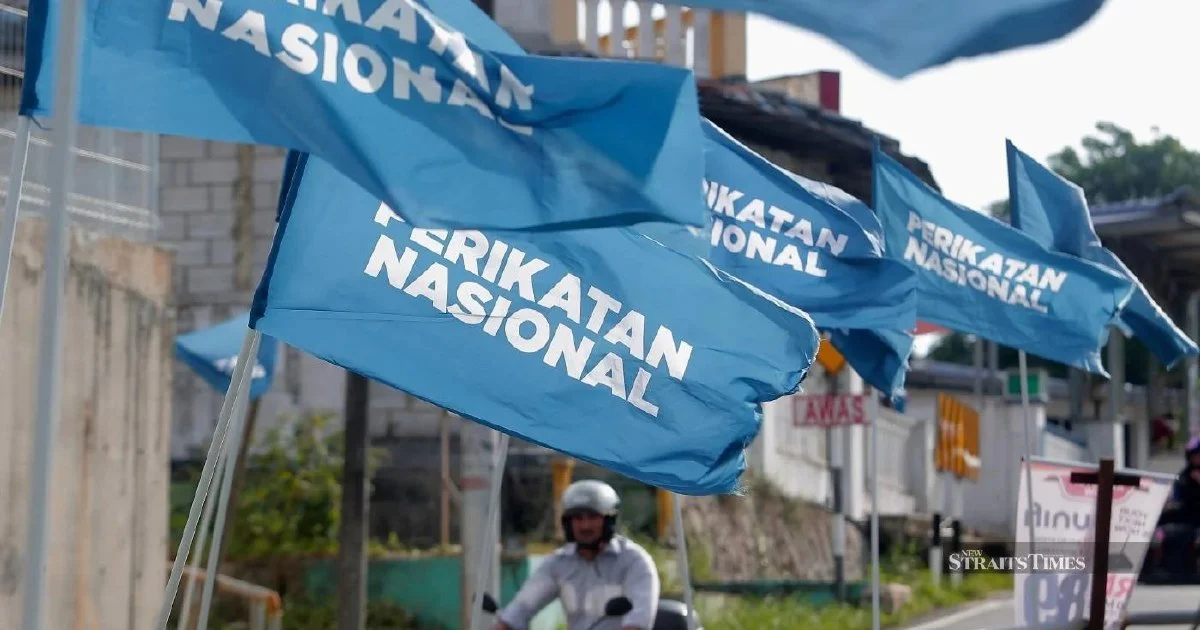
Perikatan Nasional appears determined to paper over differences within its coalition structure to maintain the partnership with Bersatu ahead of forthcoming state elections in Johor and Negri Sembilan. Observers of Malaysian politics suggest that the coalition leadership recognizes the tactical importance of presenting a unified front during this critical electoral window, even as underlying tensions between component parties simmer beneath the surface.
The timing of these contests carries significant weight for PN's broader political ambitions in the peninsula. Johor remains a battleground state where PN has invested considerable resources to expand its footprint, whilst Negri Sembilan represents an opportunity to consolidate gains and demonstrate cross-regional appeal beyond its traditional strongholds. Any public disagreements or coalition fractures at this juncture could undermine these objectives and hand advantages to rival political camps vying for state-level control.
Bersatu's position within the PN alliance has evolved considerably since the coalition's formation. The party brings both numerical strength and symbolic weight as a vehicle for certain political factions, making its retention crucial to PN's electoral mathematics. However, managing relationships between Bersatu and other PN members—particularly PAS and smaller component parties—requires constant diplomatic effort and calculated compromises on policy and seat allocation.
Analysts point out that PN leadership faces a delicate balancing act. Allowing high-profile disputes to escalate publicly risks triggering defections or triggering internal party divisions that could translate into electoral losses. Conversely, appearing too accommodating to Bersatu might alienate other partners who feel their interests are being subordinated. This calculation becomes especially acute during election periods when party members expect tangible benefits and senior positions.
The coalition's track record in managing such tensions has been mixed. Previous disputes over candidate selection, policy direction, and resource allocation have occasionally boiled over into media coverage and caused temporary friction. Each instance required senior leaders to intervene and reinforce the importance of coalition cohesion. The imminent state elections serve as a powerful reminder to all parties that their electoral fortunes are substantially intertwined at this moment.
For Bersatu specifically, the elections represent a crucial test of its viability as a major political force. Strong performances in Johor and Negri Sembilan would strengthen its negotiating position within PN and validate its strategy of working within the coalition structure. Conversely, poor results could embolden rivals within PN to push for reduced influence and smaller allocations in future political arrangements, potentially pushing Bersatu towards exploring alternative alignments.
The broader political context adds another layer of complexity. Pakatan Harapan components, particularly in Johor, continue positioning themselves as alternatives, whilst independent candidates and smaller parties occasionally emerge to complicate the electoral landscape. PN's ability to present an undivided face becomes a competitive advantage in this fragmented environment. Any public acrimony within the coalition immediately becomes ammunition for opponents seeking to portray PN as unstable or faction-ridden.
Political observers also note that the electoral performance in these two states carries implications extending beyond their immediate boundaries. Success in Johor, where PAS has grown significantly, and in Negri Sembilan, where PN seeks to build influence, could reshape the coalition's internal power dynamics and influence how seat allocations are negotiated in future federal elections. This longer-term strategic consideration reinforces the imperative to maintain coalition discipline during the campaign period.
The calculations are similarly important for Bersatu's leadership, which must balance maintaining its distinct party identity with the practical reality that its political relevance depends substantially on the coalition framework. Party leaders have presumably calculated that demonstrating loyalty and commitment to PN's electoral success in these contests strengthens their hand in future coalition negotiations and resource distributions.
Historical precedent suggests that Malaysian coalitions often experience strains during election campaigns, when the distribution of candidate nominations triggers intense internal lobbying and occasional public grievances. PN's ability to manage these tensions without allowing them to metastasize into full coalition crises will significantly influence electoral outcomes. Both Bersatu and other PN components understand that a fractured coalition heading into state polls typically performs worse than a unified one, regardless of the underlying factional realities.
Moving forward, the stability of the PN-Bersatu relationship will likely depend on electoral outcomes. Positive results would vindicate the coalition's decision to prioritize unity and would provide cover for leaders who made concessions to maintain harmony. Disappointing results, conversely, could trigger recriminations and renewed factional disputes as parties seek to allocate blame and restructure arrangements for subsequent contests.

