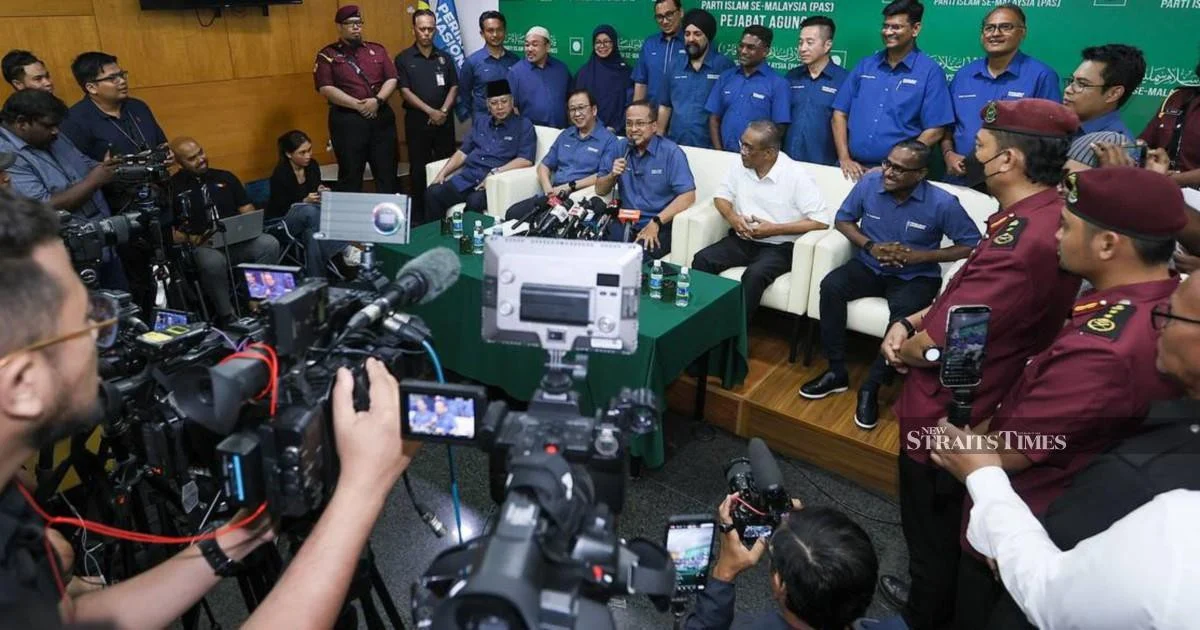
Perikatan Nasional (PN) is set to conclude its seat-allocation process for the Johor state election during an unscheduled meeting in Kuala Lumpur today, as the coalition moves closer to finalising its electoral strategy ahead of what is expected to be a competitive contest in the southern state.
The gathering represents a significant checkpoint in PN's organisational efforts, as the coalition seeks to iron out internal arrangements between its member parties and determine how contested constituencies will be distributed. The decision-making process reflects the complex political negotiations that typically precede state elections in Malaysia, where multiple parties must align their interests and find common ground on candidate selection and seat distribution.
Johor holds particular strategic significance for PN, which has been consolidating its political presence across Malaysia following the 2022 general election. The state has historically been dominated by Barisan Nasional (BN), but recent political shifts and voter sentiment changes have created new opportunities for opposition and alternative coalitions to gain ground. PN's approach to this election signals the coalition's ambitions to expand its influence beyond its traditional strongholds in the northern and eastern regions of the peninsula.
The seat-allocation process involves balancing internal coalition politics alongside strategic considerations about which constituencies offer the strongest chances of victory. Component parties within PN typically negotiate for seats based on factors including their grassroots organisation, performance in previous elections, and perceived electability of individual candidates. These negotiations can be contentious, as each party seeks to maximise its representation and influence within the coalition structure.
For Malaysian political observers, PN's activities in Johor underscore the broader competitive dynamics shaping the country's electoral landscape. The coalition has positioned itself as an alternative force challenging the traditional dominance of BN and opposing the earlier Pakatan Harapan arrangement. How effectively PN can consolidate its position in Johor will offer valuable indicators about the coalition's electoral viability heading into potential future national polls.
The timing of today's meeting suggests PN is working to resolve outstanding allocation disputes relatively quickly, indicating the coalition hopes to present a unified front to voters soon. Delays in finalising seat arrangements can undermine campaign momentum and create confusion among party members and supporters about candidate selections, so reaching closure on these matters promptly is strategically important for campaign preparation.
For Southeast Asian readers monitoring Malaysian politics, PN's trajectory in Johor also reflects broader patterns of coalition-building and political realignment occurring across the region. Malaysia's multiparty democracy continues to evolve, with new coalitions competing alongside established blocs, creating fluid and unpredictable electoral environments. The outcomes of state-level contests like Johor frequently serve as testing grounds for national political strategies.
Local observers will be particularly attentive to which PN component parties receive the most attractive seat allocations and whether contentious decisions might generate internal friction. Public discord over seat distribution can damage coalition cohesion and suggest weakness to voters, whereas smooth resolution signals strong leadership and unity. The manner in which PN handles today's meeting will therefore communicate important signals about the coalition's internal health and readiness for electoral competition.
Geographically and economically, Johor's significance extends beyond its political importance. Malaysia's southernmost peninsular state is a major economic hub with a substantial population base, making its electoral outcomes consequential for national political balance. Controlling Johor's state government provides a coalition with both political legitimacy and access to valuable state-level resources and patronage networks that can enhance party influence throughout Malaysia.
As PN proceeds with its finalisation process today, the coalition will simultaneously need to consider broader campaign messaging, candidate quality, and grassroots organisation capacity. Seat allocation represents just one piece of a comprehensive electoral strategy. The coalition's success or failure in Johor will ultimately depend on multiple interconnected factors, from local governance perceptions to national political sentiment to voter enthusiasm for individual candidates.
The special meeting convened today underscores how intricately Malaysian state elections interweave high-level coalition negotiations with ground-level campaign considerations. As PN works through its allocation decisions, the state remains poised for what observers anticipate will be an unusually competitive electoral contest, with multiple coalitions jockeying for voter support and territorial advantage.

