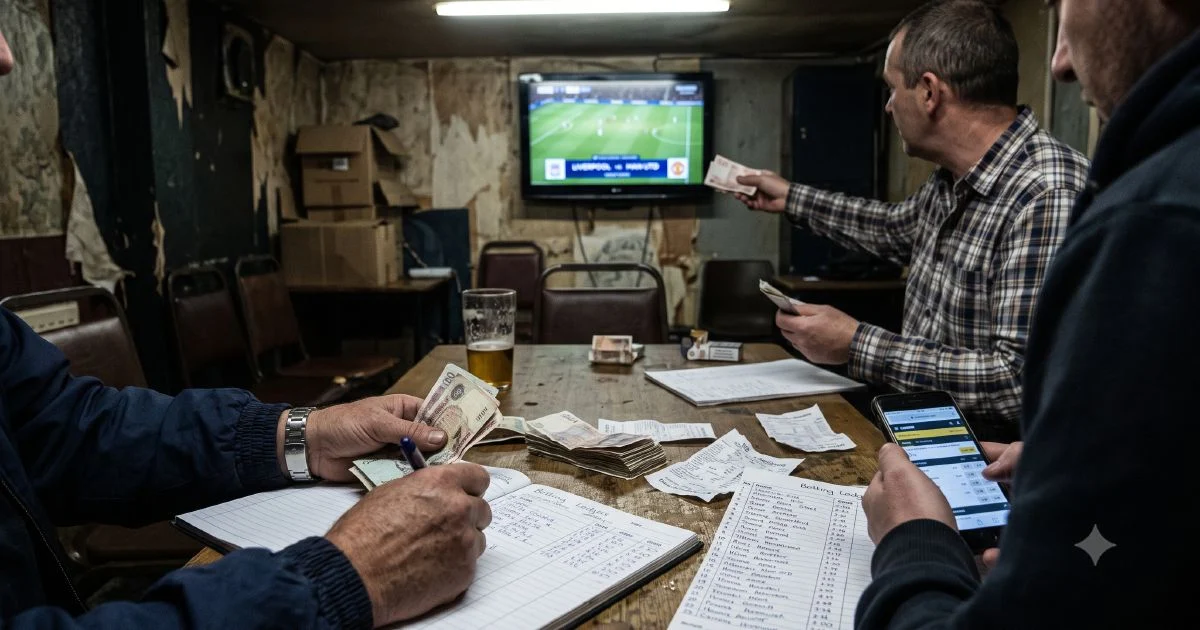
Police have dismantled a substantial illegal gambling network operating across Malaysia, arresting 331 individuals and dismantling betting operations worth RM2.63 million in a sweeping crackdown that reflects growing concerns about unlicensed gambling ahead of the 2026 FIFA World Cup. The enforcement action, designated Operation Soga XI, demonstrates law enforcement's commitment to combating the proliferation of illicit sports betting platforms that have flourished in Malaysia's digital landscape.
The scale of the operation underscores the magnitude of underground gambling activity in the country, particularly as major sporting events draw increasingly sophisticated betting syndicates. These unlicensed operators exploit the widespread passion for football in Malaysia and the broader Southeast Asian region, offering betting platforms without proper regulatory oversight or consumer protections. The FIFA World Cup, with its global reach and massive betting volumes, creates lucrative opportunities for criminal organisations seeking to launder money through gambling channels.
Operation Soga XI represents a coordinated nationwide response, indicating that illicit betting networks span multiple states and jurisdictions. The scale of arrests suggests authorities have succeeded in penetrating organised betting rings rather than merely apprehending individual gamblers. This distinction matters significantly for disrupting the underlying infrastructure that enables illegal gambling. By targeting organisational structures, police aim to create friction in how these networks operate, making it riskier and more costly for criminals to establish new platforms.
The RM2.63 million in uncovered betting transactions illustrates both the financial magnitude of illegal gambling markets and the investigative capacity needed to track digital transactions across multiple platforms and payment channels. Unlicensed operators typically employ sophisticated methods to obscure transaction trails, using cryptocurrency, remittance services, and complex layering schemes to avoid detection. The ability to quantify these transactions indicates authorities have accessed digital records, bank statements, or device data that reveals the scale of underlying gambling activity.
Malaysia's regulatory framework permits only licensed gambling operators to offer sports betting services, with Berjaya Sports Toto and other authorised entities dominating the legal market. Unlicensed operators compete by offering higher odds, lower minimum bets, and greater accessibility through mobile platforms and online channels. For cash-strapped punters and those seeking entertainment, illegal platforms often appear more attractive than licensed alternatives, despite the absence of consumer safeguards and the risk of fraud.
The timing of this crackdown reflects authorities' anticipation of increased betting activity surrounding the 2026 FIFA World Cup, a tournament that promises unprecedented global engagement. Malaysia, as a Southeast Asian nation with passionate football supporters, sits within a region where major tournaments historically coincide with surge in illegal gambling. Hong Kong, Singapore, and other regional jurisdictions have documented similar patterns, where major sporting events catalyse expansion of unlicensed gambling networks seeking to capture migrating betting volumes.
International sporting events present unique challenges for regulatory bodies because they attract both casual and professional bettors, create novel betting markets (in-play betting, exotic proposition bets), and generate sustained interest over extended periods. Criminal organisations exploit this sustained demand by operating multiple parallel platforms, fragmenting their operations to reduce individual exposure should one network be dismantled. Operation Soga XI's identification of 331 individuals suggests police have yet achieved significant coordination across what may be dozens of separate but interconnected networks.
The enforcement action carries implications beyond Malaysia's borders, as regional criminal networks often operate across multiple jurisdictions. A bettor in Malaysia might fund an account through a Singapore or Hong Kong-based operator, with transactions routed through multiple payment gateways to obscure origins. The RM2.63 million seized likely represents only detected and quantifiable activity; actual illegal betting volumes may substantially exceed reported figures, particularly for transactions occurring on encrypted platforms or through informal channels.
For Malaysian authorities, maintaining this enforcement tempo proves resource-intensive. Successfully dismantling betting syndicates requires surveillance operations, digital forensics, financial investigation, and coordination between federal and state-level law enforcement agencies. Sustaining these efforts ahead of the 2026 World Cup will strain police resources, particularly if unlicensed operators respond by increasing operational sophistication or relocating to jurisdictions with weaker enforcement.
The broader policy challenge facing Malaysian authorities involves balancing enforcement against the underlying demand for gambling services. Millions of Malaysians engage in some form of wagering, whether through licensed operators or illegal channels. Without addressing why consumers choose unlicensed platforms—through improved accessibility, better odds, or other incentives offered by licensed operators—enforcement alone struggles to suppress persistent demand for illegal gambling.
Stakeholder coordination between law enforcement, financial regulators, telecommunications authorities, and licensed gambling operators becomes crucial for sustained success. Digital platforms require cooperation from internet service providers and payment gateway operators willing to restrict access to unlicensed gambling sites. Licensed operators, paradoxically, benefit from effective enforcement against competitors, creating potential alignment where commercial interests support regulatory objectives.
Moving forward, Operation Soga XI establishes important precedent for pre-tournament enforcement activities. If replicated successfully in 2026 as the World Cup approaches, coordinated crackdowns could disrupt traditional betting networks operating throughout the region. However, the criminal economy demonstrates remarkable resilience; arrests and asset seizures typically impose temporary disruption rather than permanent elimination, with surviving networks adapting operational procedures and recruiting replacements for apprehended members.
The scale of this operation—331 arrests and RM2.63 million in detected transactions—represents both a notable enforcement success and a sobering reminder of the underground gambling market's persistence in Malaysian society. Whether this crackdown produces sustained reduction in illegal betting activity or merely temporary disruption will become apparent through subsequent enforcement data and betting market behaviour as the 2026 World Cup approaches.

