Malaysia's law enforcement apparatus is gearing up for a substantial security operation as the Johor State Election approaches. The Royal Malaysia Police (PDRM) has announced a comprehensive deployment strategy involving 11,926 officers and personnel tasked with maintaining security and facilitating the smooth administration of the electoral process. This scale of mobilization underscores the significance authorities place on ensuring the credibility and safety of the democratic exercise in Southeast Asia's second-most populous state.
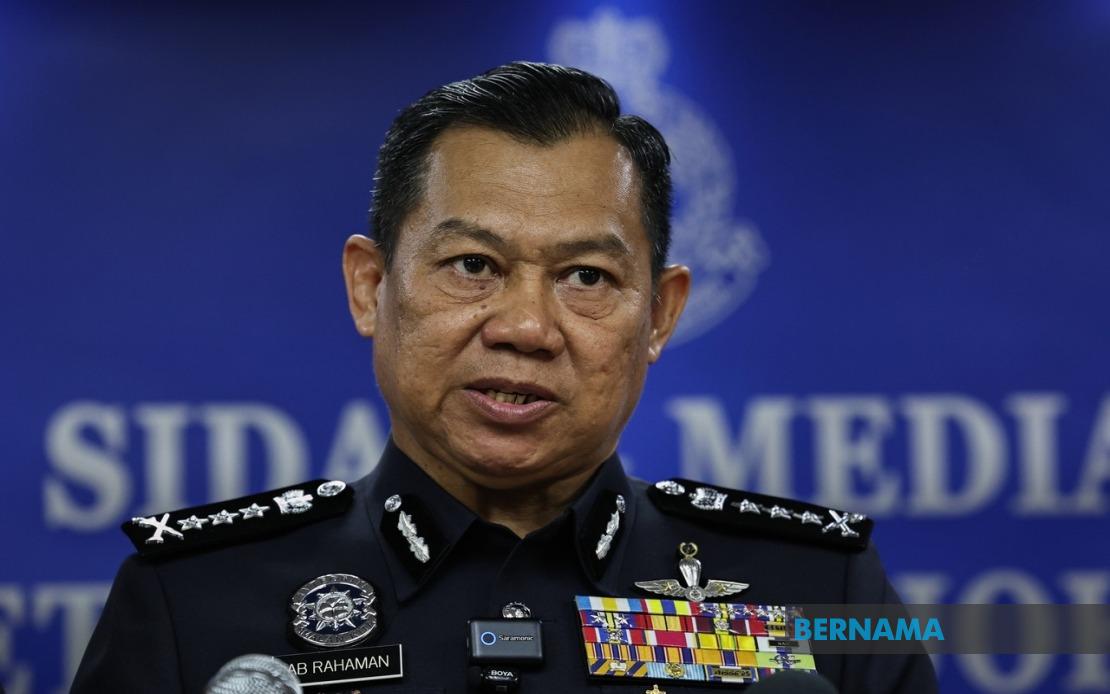
According to Johor Police Chief Datuk Ab Rahaman Arsad, the force's positioning will unfold systematically across five distinct phases synchronized with the election timeline. Rather than a single concentrated deployment, this graduated approach allows law enforcement to calibrate its presence according to evolving operational demands at different stages—from pre-election preparations through voting day and beyond. The flexibility embedded in this framework reflects lessons learned from previous electoral exercises and demonstrates police planning sophistication beyond static force positioning.
Datuk Ab Rahaman revealed during remarks at the Johor Police Contingent Headquarters that the deployment schedule remains dynamic, subject to real-time adjustment as circumstances warrant. This adaptive stance suggests police leadership anticipates variability in security challenges and seeks to avoid either undermanning critical periods or over-deploying resources unnecessarily. For Malaysian voters and observers, this signals an intent to balance visible security presence with maintaining the openness essential to democratic participation.
Beyond the core PDRM complement, the Johor operation will benefit from reinforcements spanning multiple federal agencies. The police contingent has secured additional manpower support originating from units subordinate to the Internal Security and Public Order Department (KDNKA). This inter-agency coordination reflects the sophisticated nature of modern election security, which extends beyond traditional policing to encompass specialized capabilities housed in various government departments.
The supplementary forces committed to the Johor election comprise 54 officers and 701 additional personnel drawn from several specialized divisions. The General Operations Force, traditionally engaged in counterinsurgency and complex security operations, will contribute personnel and expertise. The Federal Reserve Unit, a rapid-response component built for high-intensity operations, will add tactical depth. The PDRM Air Unit and Marine Police Force round out the reinforcement, suggesting authorities are preparing for security challenges spanning terrestrial, aerial, and maritime dimensions—a comprehensive approach appropriate for a state with significant coastline and complex geography.
For Malaysian observers and regional analysts, this deployment scale merits contextual understanding. Johor's strategic importance extends beyond its economic significance; as a border state adjacent to Singapore and within maritime proximity to other Southeast Asian nations, election security carries implications beyond domestic politics. Any disruption or security failure could reverberate across regional confidence indicators. The police's commitment of nearly 12,000 personnel demonstrates awareness of these broader stakes.
The five-phase deployment structure also carries organizational implications worth noting. Rather than treating election security as a discrete event, the PDRM's phased approach acknowledges that electoral periods present distinct security challenges at different moments. Early phases might emphasize candidate protection and venue security preparations; mid-phase operations could focus on voting-day crowd management and disorder prevention; concluding phases would address post-election period vulnerabilities when political tensions sometimes escalate. This temporal sophistication suggests police strategic thinking has evolved considerably.
The incorporation of specialized units from KDNKA demonstrates how Malaysian security apparatus has integrated various components into coordinated election-security frameworks. The General Operations Force brings experience managing large gatherings and civilian control operations. The Federal Reserve Unit adds paramilitary capability for rapid response to serious incidents. Marine and air components ensure that Johor's extensive water boundaries and transportation corridors receive appropriate coverage. This multi-dimensional approach contrasts with simpler security models that might rely exclusively on conventional police presence.
For political parties and candidates contesting the Johor election, the announced deployment provides transparency about the security environment they will navigate. Campaign rallies, candidate movements, and polling operations will occur within this 11,926-officer security framework. While such visibility can provide reassurance about law and order maintenance, it simultaneously establishes parameters within which political activity must operate. The balance between these competing considerations—security assurance versus political space—remains an enduring tension in managing elections in any democracy.
The decision to announce deployment numbers and structure beforehand reflects Malaysian democratic conventions emphasizing transparency in election administration. International observers and domestic monitoring organizations can assess whether stated intentions translate into actual field operations. This public commitment creates accountability mechanisms, though practical implementation often reveals complexities invisible in initial announcements.
Regionally, Malaysia's approach to election security carries significance for other Southeast Asian democracies wrestling with similar challenges. Indonesia, Philippines, and Thailand face comparable demands for securing electoral processes across geographically dispersed populations with varying resource availability. Malaysia's systematic deployment planning and integration of specialized units offers potential reference points for regional peers developing election-security doctrine.
As the Johor State Election draws closer, the concrete manifestation of these 11,926 personnel across the state's landscape will become visible to voters and observers. The effectiveness of this substantial deployment will ultimately be measured not by numbers alone but by whether the election proceeds safely while maintaining the openness and accessibility that legitimates democratic processes. The police force's coordination among multiple agencies and phased approach suggests serious institutional commitment to achieving this balance.